
Pia Gyger
Switzerland·White Plum Sangha·Female·20th century
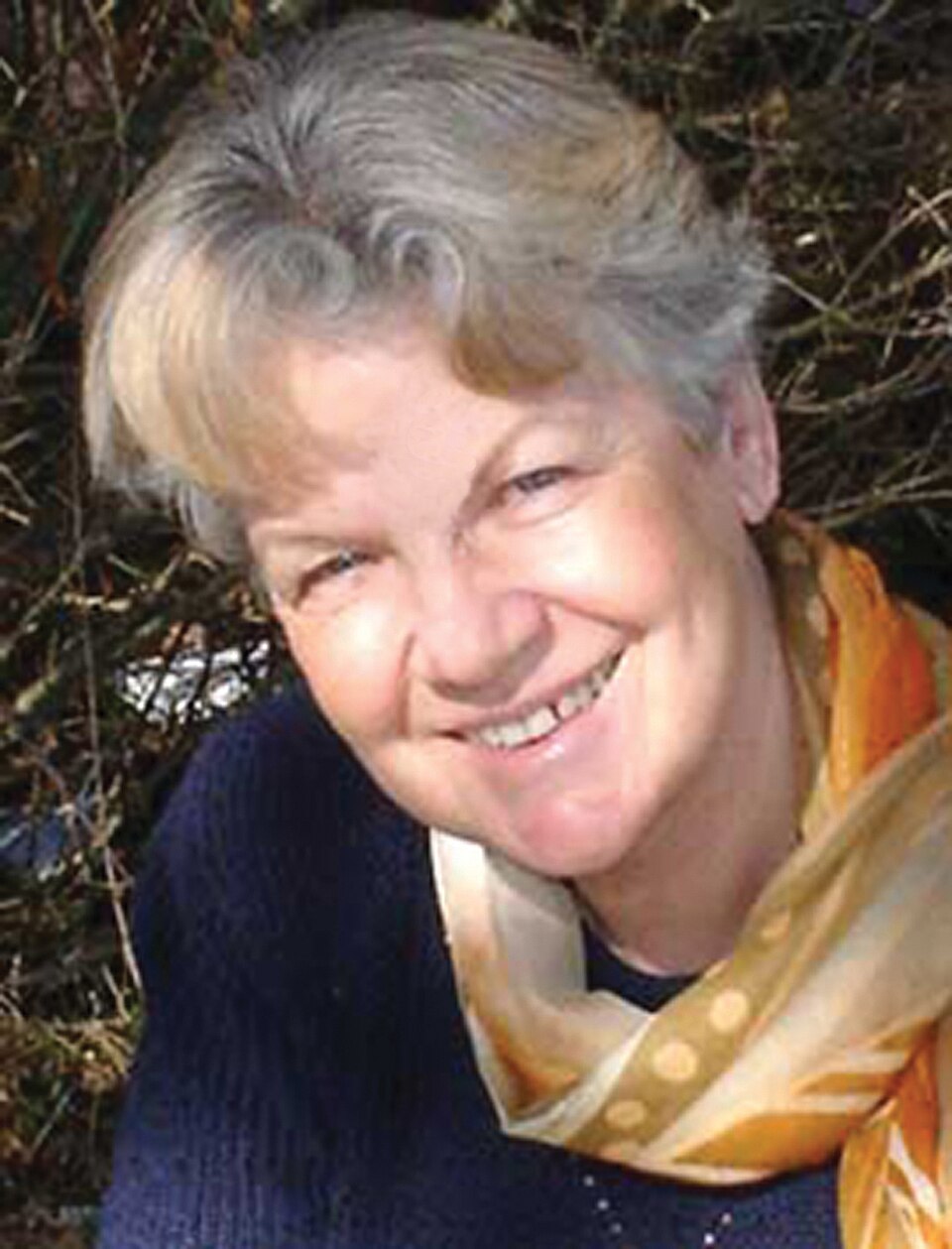
Pia Gyger was a Swiss Zen master, psychologist, and specialist in special education. She is recognized for her co-founding of the Lassalle-Institute and her significant work in inter-religious dialogue and peace projects. Gyger's teachings and initiatives aimed to foster spiritual and political awareness, particularly among young people.
Key Facts
- ›Co-founder of the Lassalle-Institute for Zen, Ethics, and Leadership.
- ›Educated in Zen in Japan and Hawaii by prominent teachers like Yamada Kôun Roshi and Aitken Rōshi.
- ›Received Dharma transmission from Aitken Rōshi and was confirmed as a Zen master by Tetsugen Bernard Glassman.
- ›Initiated projects focused on inter-religious dialogue, including the Jerusalem-Project for peace education.
- ›Authored seven books published in German.
- ›Worked with difficult young persons and founded a school for spiritual and political awareness in Manila.
Important Relationships
- Niklaus Brantschen
- Saint Katharina-Werk, Basel
- Lassalle-Institute
- Lassalle-House
- Buddhist Peace Fellowship
7 Books Edited In German
- Lassalle-House, Bad SchöNbrunn/Zug, Canton of Zug, Switzerland
- Kamakura, Kanagawa, Japan
- Hawaii
- Manila, Philippines
- Jerusalem
- New York
Hugo Makibi Enomiya-Lassalle, Yamada KôUn Roshi, Aitken RōShi, Tetsugen Bernard Glassman
German
About Pia Gyger
Pia Gyger (1940–2014) was a prominent Swiss figure in special education, psychology, and Zen Buddhism. She is widely recognized as a Zen master within the White Plum Sangha lineage and for her significant contributions to inter-religious dialogue and peace initiatives.
Life and Education
Born in Schaffhausen, Switzerland, Gyger pursued studies in special education and psychology at the Zurich University of Applied Sciences from 1972 to 1976. Her dedication to supporting individuals with developmental impairments and handicaps was evident in her early career, including her leadership of a therapy home for particularly difficult young persons from 1976 to 1982.
Zen Training and Transmission
Gyger's Zen education spanned nearly two decades, from 1976 to 1999, with studies in Kamakura, Japan, under Hugo Makibi Enomiya-Lassalle and Yamada Kôun Roshi, as well as in Hawaii. She received Dharma transmission from Aitken Rōshi and was later confirmed as a Zen master by Tetsugen Bernard Glassman in 1999. She was also involved with the Buddhist Peace Fellowship, contributing to international peace projects.
Key Initiatives and Contributions
Beyond her academic and spiritual training, Pia Gyger was a fervent advocate for inter-religious understanding and peace. In 1986, she established a project for interfaith meetings. She co-founded the Lassalle-Institute in 1995 with Niklaus Brantschen, focusing on Zen, Ethics, and Leadership, and continued to teach there. Together, they also initiated the Lassalle-Zen-line and the school of contemplation "Via Integralis." A significant undertaking was the Jerusalem-Project – Open town for learning of the peace in the world, an initiative accredited by the UN that regularly brought them to Jerusalem and New York.
Gyger also authored seven books in German, further disseminating her insights and teachings. Her work extended to founding a school for spiritual and political awareness for young people in a Manila slum in 1989.
Later Life and Legacy
Pia Gyger passed away in Basel in 2014. Her legacy is marked by her pioneering work in integrating Zen practice with ethical leadership, her commitment to peace education, and her role in fostering dialogue between different religious traditions.
Source: Wikipedia ↗
Frequently Asked Questions
Who was Pia Gyger?
Pia Gyger was a Swiss Zen master, psychologist, and specialist in special education. She was known for her work in inter-religious dialogue, peace projects, and founding educational institutes.
What was the Lassalle-Institute?
The Lassalle-Institute, co-founded by Pia Gyger and Niklaus Brantschen, focused on Zen, Ethics, and Leadership. It aimed to integrate spiritual practice with ethical leadership and was part of the Lassalle-House in Bad Schönbrunn, Switzerland.
What Zen lineage did Pia Gyger belong to?
Pia Gyger was a Zen master within the White Plum Sangha lineage. She received Dharma transmission from Aitken Rōshi and was confirmed as a Zen master by Tetsugen Bernard Glassman.
What were some of Pia Gyger's notable projects?
Gyger co-initiated the Jerusalem-Project, an accredited UN initiative for peace education. She also founded a therapy home for troubled youth and a school for spiritual and political awareness in Manila.
Where did Pia Gyger study Zen?
Pia Gyger received her Zen education in Kamakura, Japan, with Hugo Makibi Enomiya-Lassalle and Yamada Kôun Roshi, and also studied in Hawaii. Her Zen education spanned from 1976 to 1999.
Related Buddhists

Niklaus Brantschen
Niklaus Brantschen is a Swiss Jesuit priest and a recognized Zen master in the White Plum Sangha lineage. He is known for founding the Lassalle-Institute and co-initiating the Jerusalem-Project, focusing on interfaith dialogue and peace. Brantschen bridges Christian spirituality with Zen practice, viewing them as complementary paths toward a united humanity.
Jack Kornfield
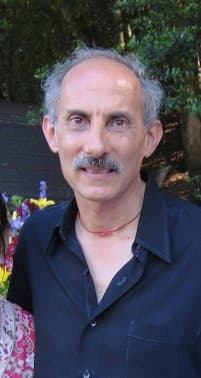
Jack Kornfield is a prominent American psychologist, writer, and teacher within the Vipassana movement of American Theravada Buddhism. After training as a Buddhist monk in Southeast Asia, he became a key figure in bringing mindfulness meditation to the West, co-founding influential meditation centers. He is known for bridging Eastern and Western psychology in his teachings and writings.

Henry Shukman
Henry Shukman is an English meditation teacher, Zen master, poet, and author known for teaching mindfulness and awakening practices. He is an authorized Zen master in the Sanbo Zen lineage and co-founder of The Way meditation app. Shukman's work often integrates his healing journey from chronic eczema, his background in poetry and fiction, and his extensive Zen training.