
Niklaus Brantschen
Switzerland·Jesuit, White Plum Sangha·Male·20th century
Niklaus Brantschen is a Swiss Jesuit priest and a recognized Zen master in the White Plum Sangha lineage. He is known for founding the Lassalle-Institute and co-initiating the Jerusalem-Project, focusing on interfaith dialogue and peace. Brantschen bridges Christian spirituality with Zen practice, viewing them as complementary paths toward a united humanity.
Key Facts
- ›Swiss Jesuit priest and Zen master.
- ›Founder of the Lassalle-Institute and co-initiator of the Jerusalem-Project.
- ›Trained in Zen under Yamada Kôun Roshi and received formal recognition as a Zen master (Inka Shōmei) from Tetsugen Bernard Glassman.
- ›Holds a deep belief in the importance of interfaith dialogue for mutual enrichment and understanding.
- ›Sees strong parallels and a synthesis between Christian spiritual exercises and Zen practice.
- ›Authored 14 books, primarily in German.

Important Relationships
- Pia Gyger
- Jerry Brown
- Heinrich Dumoulin
- Johannes Kopp
- Willigis Jäger
- Eberhard Jüngel
- Jürgen Moltmann
- Walter Kasper
- Hans Küng
- Dietrich Bonhoeffer
14 Books
- Randa, Valais, Switzerland
- Bad SchöNbrunn/Zug, Canton of Zug, Switzerland
- Kamakura, Japan
- Jerusalem
- New York
Hugo Makibi Enomiya-Lassalle, Yamada KôUn Roshi, Tetsugen Bernard Glassman, Karlfried Graf DüRckheim
German
Jesuit Vows
Jesuit, Zen Master, Founder, Teacher, Author, Interfaith Advocate
About Niklaus Brantschen
Niklaus Brantschen is a Swiss Jesuit priest and a recognized Zen master within the White Plum Sangha lineage. Born on October 25, 1937, in Randa, Valais, Brantschen has dedicated his life to bridging Christian spirituality with Zen Buddhist practice, emphasizing interfaith dialogue and the pursuit of peace.
Life and Educational Background
Raised in a traditional Catholic family, Brantschen joined the Society of Jesus at the age of 22. He pursued philosophical studies in Munich and theological studies in France and Germany, engaging with prominent theologians. His early career included work as an educator and a period as assistant manager and later manager of the educational institution Bad Schönbrunn. Brantschen also undertook adult education studies and meditation courses, laying the groundwork for his later spiritual work.
Zen Training and Recognition
Beginning in 1976, Brantschen undertook extensive Zen studies in Kamakura, Japan, under the guidance of Hugo Makibi Enomiya-Lassalle and Yamada Kôun Roshi. He met other significant figures in Zen and interfaith circles during this period. In 1988, Yamada Roshi conferred teaching competence in Zen upon him, and in 1999, Tetsugen Bernard Glassman formally recognized him as a Zen master with an "inka shōmei" (confirmation of enlightenment).
Key Initiatives and Teachings
In 1993, Brantschen re-envisioned Bad Schönbrunn as Lassalle-Haus, a center for spirituality and social consciousness. In 1995, he co-founded the Lassalle-Institut with Pia Gyger, an institution dedicated to Zen, ethics, and leadership. Together, they became deeply involved in the Jerusalem-Project, an initiative aimed at promoting peace and understanding, which led them to engage with communities in Jerusalem and at the United Nations.
Brantschen advocates for interfaith dialogue as a crucial element for contemporary spirituality, seeing it as a path that enriches all participants. He perceives significant parallels between Christian spiritual practices and Zen, describing their synthesis as a way to overcome barriers between religions, nations, and races, thereby fostering a united humanity. He also emphasizes the importance of partnership between men and women for global change, likening humanity to a bird needing both wings to fly.
Published Works
Niklaus Brantschen is the author of 14 books, most of which have been published in German, with some also edited in Italian and Spanish. His writings often reflect his synthesis of Eastern and Western spiritual traditions and his insights into ethics, leadership, and the nature of happiness.
Source: Wikipedia ↗
Frequently Asked Questions
Who is Niklaus Brantschen?
Niklaus Brantschen is a Swiss Jesuit priest and a Zen master from the White Plum Sangha line. He is also known as a founder of the Lassalle-Institute and a co-initiator of the Jerusalem-Project, which focuses on peace and interfaith dialogue.
What is the Lassalle-Institute?
The Lassalle-Institute is an institution founded by Niklaus Brantschen and Pia Gyger, focusing on Zen, ethics, and leadership. It is part of the Lassalle-Haus in Bad Schönbrunn/Zug, Switzerland.
What is the Jerusalem-Project?
The Jerusalem-Project is an initiative co-initiated by Niklaus Brantschen, aiming to foster learning about peace in the world through an 'Open town for learning.' This project involves regular engagement in Jerusalem and at the UN in New York.
How does Niklaus Brantschen view the relationship between Christianity and Zen Buddhism?
Brantschen sees strong parallels between Christian spiritual exercises and Zen practice, believing they have formed a synthesis in his life and work. He considers dialogue with Buddhism as an enriching path that springs from the tension between Zen experience and the imitation of Christ.
What are Niklaus Brantschen's views on interfaith dialogue?
Brantschen believes interfaith dialogue is essential and has no alternative. He defines it not just as conversation, but as positive, constructive relationships between people of different religions for mutual enrichment, emphasizing the need to be 'interreligious' in a multilateral sense.
Related Buddhists
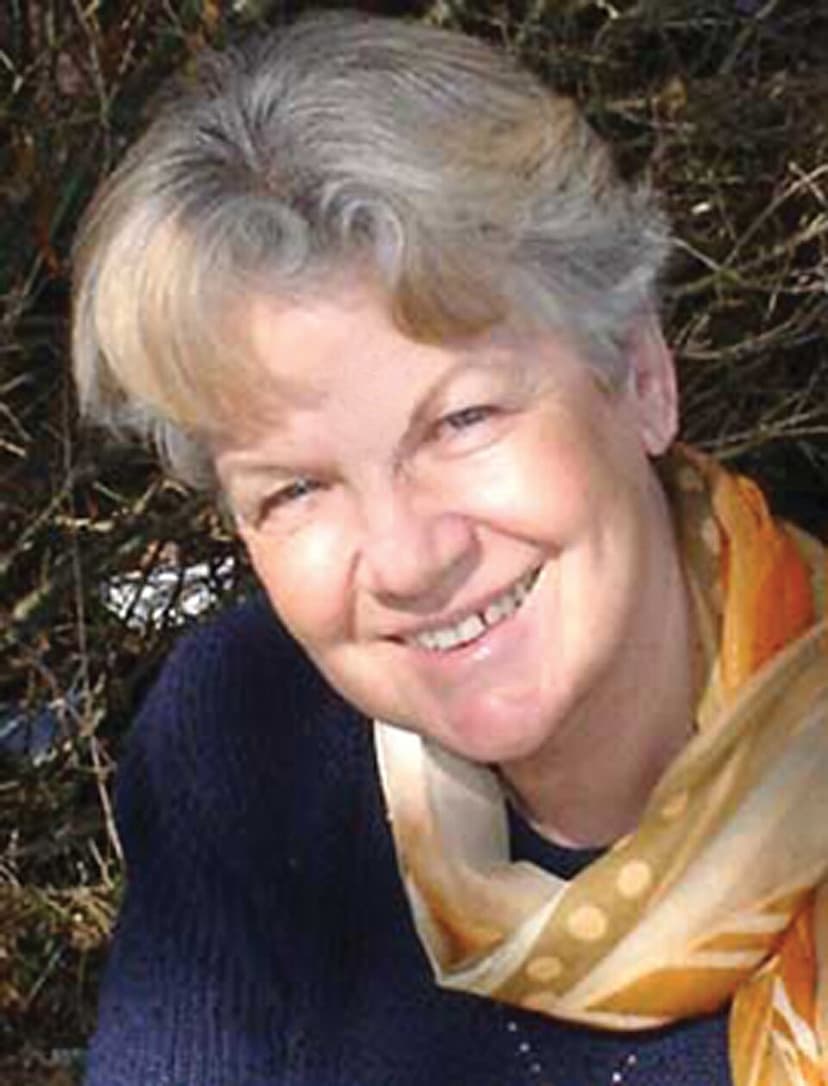
Pia Gyger
Pia Gyger was a Swiss Zen master, psychologist, and specialist in special education. She is recognized for her co-founding of the Lassalle-Institute and her significant work in inter-religious dialogue and peace projects. Gyger's teachings and initiatives aimed to foster spiritual and political awareness, particularly among young people.

Henry Shukman
Henry Shukman is an English meditation teacher, Zen master, poet, and author known for teaching mindfulness and awakening practices. He is an authorized Zen master in the Sanbo Zen lineage and co-founder of The Way meditation app. Shukman's work often integrates his healing journey from chronic eczema, his background in poetry and fiction, and his extensive Zen training.

B. Alan Wallace
B. Alan Wallace is an American Buddhologist and contemplative scholar known for his extensive writings on Tibetan Buddhism and contemplative science. He is recognized as a preeminent meditation teacher and has been instrumental in fostering dialogue between Western science and Buddhist psychology, advocating for the integration of introspection into academic inquiry. Wallace founded the Santa Barbara Institute for Consciousness Studies and has authored numerous influential books and translations.