
Mark Epstein
United States·Insight Meditation·Male
Mark Epstein is an American author and psychotherapist known for integrating Buddhist teachings with Freudian approaches to trauma. He frequently writes about the intersection of Buddhism and psychotherapy, drawing from his extensive personal meditation practice and professional background. His work explores themes of non-self and finding kindness in everyday life.
Key Facts
- ›He is an American author and psychotherapist.
- ›He integrates Buddhist teachings with Freudian approaches to trauma.
- ›He has practiced insight meditation since 1974.
- ›His notable books include 'Thoughts without a Thinker' and 'Going to Pieces without Falling Apart'.
- ›He is a contributing editor to Tricycle: the Buddhist Review.
- ›He is a clinical assistant professor of psychiatry at New York University School of Medicine.

Important Relationships
- Arlene Shechet
- Tricycle: The Buddhist Review
- Harvard College
- Harvard Medical School
- New York University School of Medicine
- The Buddha (PBS documentary)
- the Zen of Therapy: Uncovering A Hidden Kindness In Life
- Advice Not Given: A Guide To Getting Over Yourself
- the Trauma of Everyday Life
- Going On Being: Life At the Crossroads of Buddhism and Psychotherapy
- Psychotherapy Without the Self: A Buddhist Perspective
- Open To Desire: the Truth About What the Buddha Taught
- Going To Pieces Without Falling Apart
- Thoughts Without A Thinker: Psychotherapy From A Buddhist Perspective
New York City, Boulder, Colorado, Bangkok, Thailand
Sigmund Freud, Joseph Goldstein, Jack Kornfield, Ajahn Chah
English
About Mark Epstein
Mark Epstein is an American author and psychotherapist recognized for his work integrating Buddhist philosophy with Western psychotherapy, particularly in the context of trauma. Born in 1953, Epstein has dedicated his career to exploring the dialogue between these two profound systems of understanding the mind and human suffering.
Education and Professional Background
Epstein pursued his higher education at Harvard College and Harvard Medical School. He completed his psychiatry residency at New York-Presbyterian Hospital/Weill Cornell Medical Center and has since maintained a private practice in psychiatry in New York City. He also holds a position as a clinical assistant professor of psychiatry at New York University School of Medicine.
Meditation Practice and Buddhist Teachers
Epstein's engagement with Buddhism began in his early twenties when he attended a Buddhist summer camp in Boulder, Colorado. There, he encountered his first Buddhist teachers, Joseph Goldstein and Jack Kornfield. Subsequently, he traveled to Ajahn Chah's forest monastery near Bangkok, Thailand, with these teachers and Richard Alpert. He has been a dedicated practitioner of insight meditation since 1974.
Literary Contributions
As a prolific author, Epstein is known for his insightful writings that bridge Buddhist thought and psychotherapy. His books often examine the concept of "non-self" from Eastern traditions and its implications for psychological healing and personal growth. He is also a contributing editor for "Tricycle: The Buddhist Review." Some of his notable works include:
- "Thoughts Without a Thinker: Psychotherapy from a Buddhist Perspective" (1995)
- "Going to Pieces Without Falling Apart" (1998)
- "Open to Desire: The Truth about What the Buddha Taught" (2005)
- "Psychotherapy Without the Self: A Buddhist Perspective" (2008)
- "Going on Being: Life at the Crossroads of Buddhism and Psychotherapy" (2008)
- "The Trauma of Everyday Life" (2013)
- "Advice Not Given: A Guide to Getting Over Yourself" (2018)
- "The Zen of Therapy: Uncovering a Hidden Kindness in Life" (2022)
Epstein's work has been featured in the PBS documentary "The Buddha," highlighting his significant contributions to the discourse on spirituality and mental health.
Source: Wikipedia ↗
Frequently Asked Questions
Who is Mark Epstein?
Mark Epstein is an American author and psychotherapist who bridges the gap between Buddhist philosophy and Western psychotherapy, particularly in understanding trauma. He is recognized for his writings on the integration of these two fields.
What is Mark Epstein known for?
Epstein is known for his exploration of the interface between Buddhism and psychotherapy, often focusing on how Buddhist concepts like non-self can inform the understanding and treatment of trauma. His books have made these complex ideas accessible to a wider audience.
What are some of Mark Epstein's notable works?
Among his notable works are "Thoughts Without a Thinker: Psychotherapy from a Buddhist Perspective," "Going to Pieces Without Falling Apart," and "The Trauma of Everyday Life." His writings often delve into the Eastern teachings of non-self and their application to psychological well-being.
What is Mark Epstein's background in meditation and psychotherapy?
Epstein has practiced insight meditation since 1974 and met influential Buddhist teachers early in his practice. He holds degrees from Harvard College and Harvard Medical School and is a practicing psychiatrist and clinical assistant professor.
What Buddhist teachers influenced Mark Epstein?
Mark Epstein was influenced by teachers such as Joseph Goldstein, Jack Kornfield, and Ajahn Chah. He met Goldstein and Kornfield at a Buddhist summer camp and later traveled to Ajahn Chah's monastery in Thailand with them.
Related Buddhists
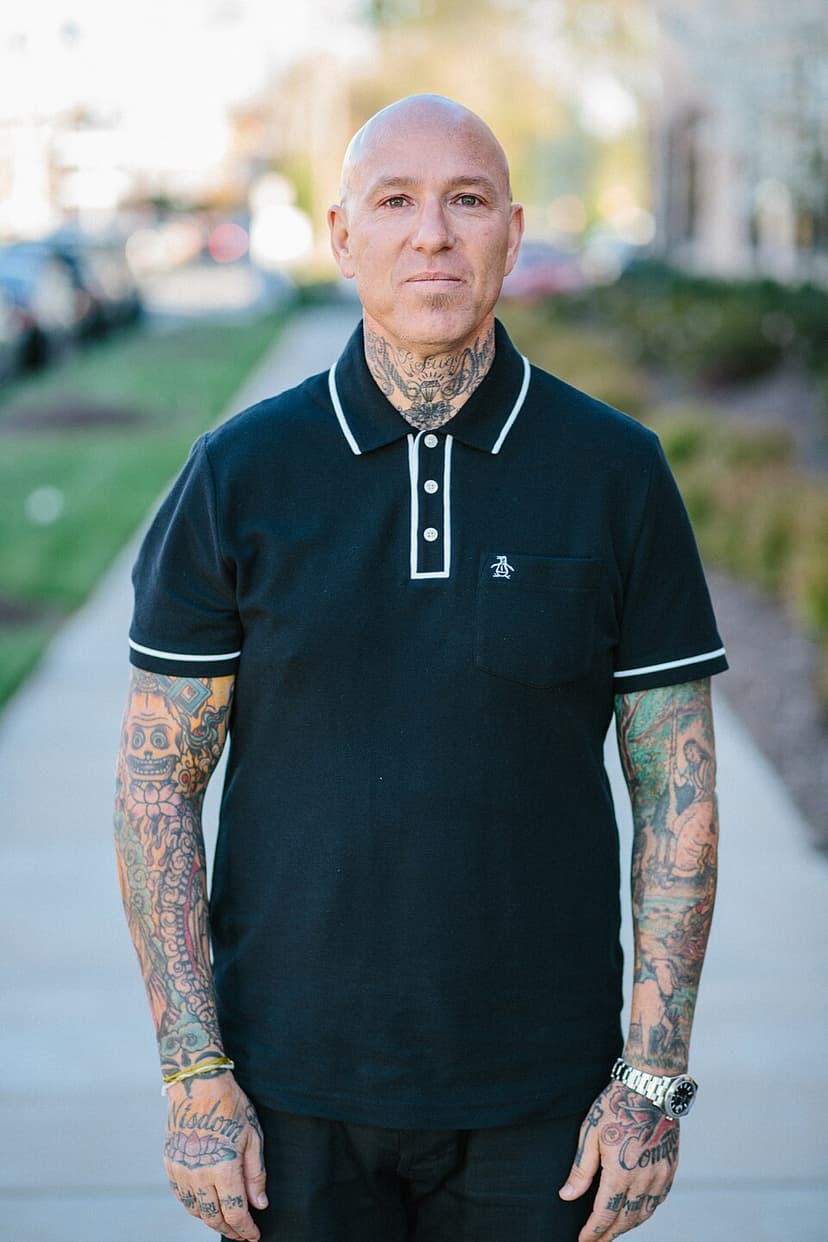
Noah Levine
Noah Levine is an American Buddhist teacher and author known for his philosophical alignment with Buddhism and punk ideology. He identifies his practice with both Theravada and Mahayana traditions, and is recognized for his work in addiction recovery and prison outreach. Levine has authored several books, including "Refuge Recovery: A Buddhist Path to Recovering from Addiction."
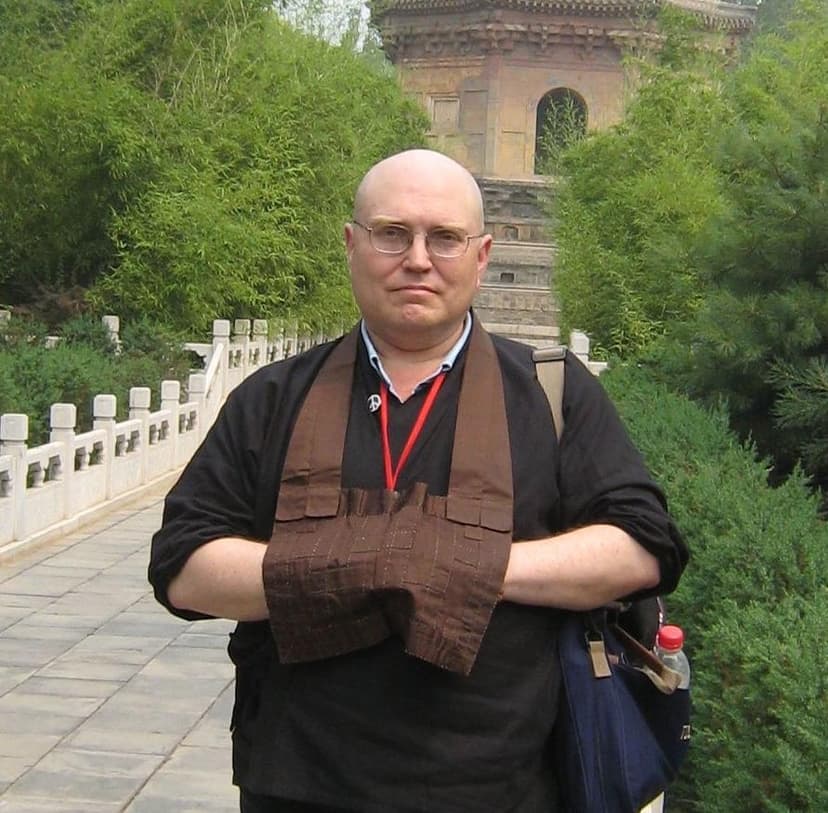
Taigen Dan Leighton
Taigen Dan Leighton is a Sōtō Zen priest, teacher, academic, and author, recognized as an authorized lineage holder in the tradition of Shunryū Suzuki. He founded Ancient Dragon Zen Gate in Chicago, Illinois, and is also an authorized teacher in the Japanese Sōtō School. Leighton is known for his extensive scholarship on Dōgen Zenji and his active involvement in engaged Buddhism, particularly in environmental and peace activism.
John Daido Loori
John Daido Loori was a prominent Zen Buddhist rōshi, abbot of Zen Mountain Monastery, and founder of the Mountains and Rivers Order. He is recognized for his extensive teachings, authored works, and significant contributions to Zen Buddhism in the United States, bridging both Soto and Rinzai lineages. Loori was also an accomplished photographer and naturalist.