
Noah Levine
United States·Theravada, Mahayana·Male
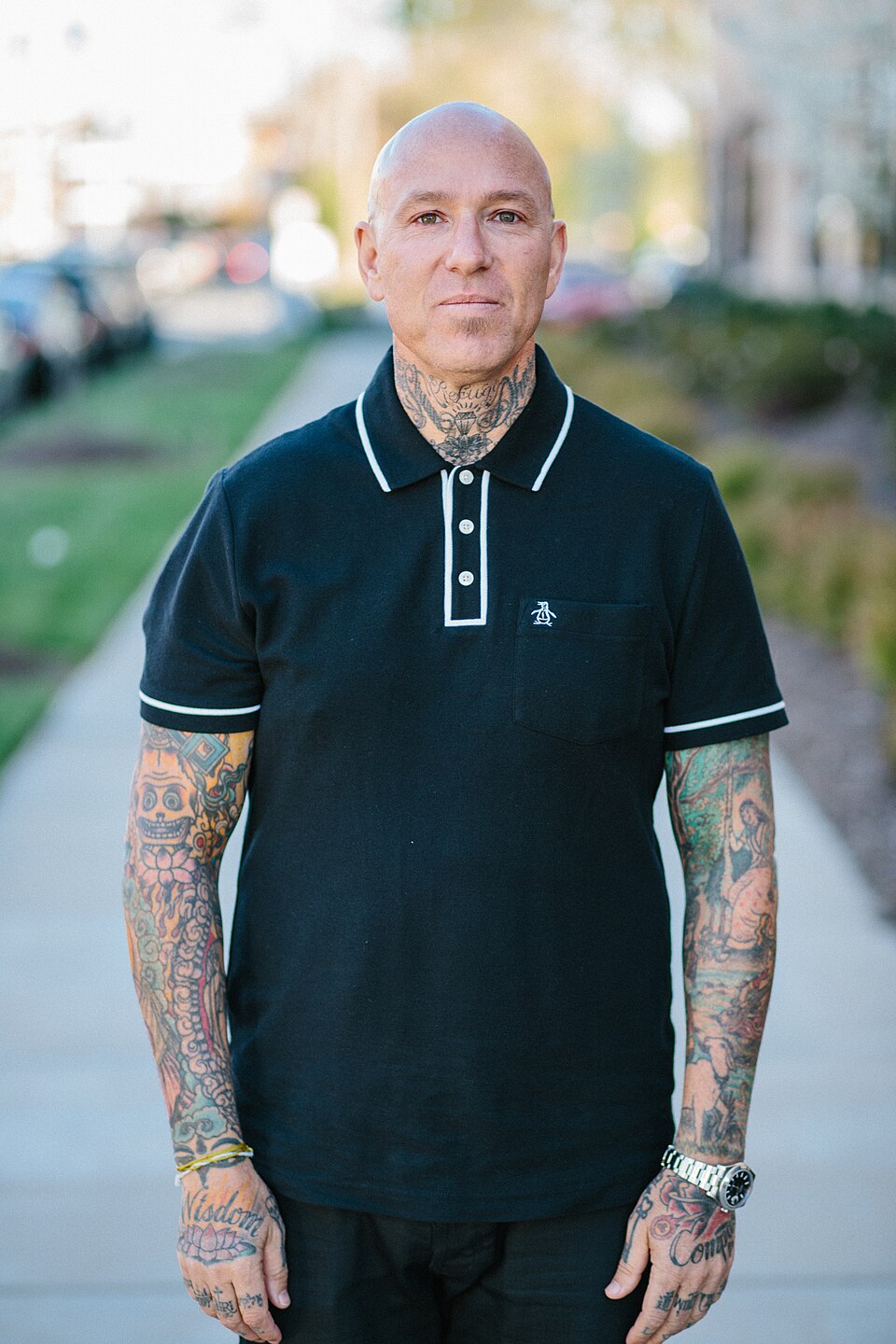
Noah Levine is an American Buddhist teacher and author known for his philosophical alignment with Buddhism and punk ideology. He identifies his practice with both Theravada and Mahayana traditions, and is recognized for his work in addiction recovery and prison outreach. Levine has authored several books, including "Refuge Recovery: A Buddhist Path to Recovering from Addiction."
Key Facts
- ›Born in 1971, Noah Levine is the son of Buddhist author Stephen Levine.
- ›He draws philosophical alignment from Buddhism and punk ideology, incorporating both into his teachings.
- ›Levine leads Dharma and vipassana meditation retreats and teaches weekly meditation classes.
- ›He is a member of the Prison Dharma Network, working with inmates to combine meditation and psychology.
- ›Levine co-founded the Mind Body Awareness Project and Refuge Recovery, an addiction recovery community.
- ›Allegations of sexual misconduct led to investigations and his removal from teaching positions and boards.
Important Relationships
- Stephen Levine
- Dharma Punx
- Against the Stream: A Buddhist Manual For Spiritual Revolutionaries
- the Heart of the Revolution: the Buddha's Radical Teachings On Forgiveness, Compassion, and Kindness
- Refuge Recovery: A Buddhist Path To Recovering From Addiction
Spirit Rock Meditation Center, Against the Stream Meditation Center, Esalen Institute
Jack Kornfield
English
About Noah Levine
Noah Levine is an American Buddhist teacher, author, and counselor, born in 1971. He is recognized for his distinctive approach that integrates Buddhist philosophy with punk ideology, and for his significant contributions to addiction recovery and prison outreach programs. Levine's teachings align with both the Theravada and Mahayana Buddhist traditions.
Early Life and Influences
Born the son of Buddhist author Stephen Levine, Noah Levine experienced a tumultuous childhood marked by his parents' struggles with addiction and their subsequent divorce. He developed a "core distrust of authority," which initially led him to reject his father's teachings. His early life was characterized by significant drug use, violence, and suicide attempts, finding solace and expression in the punk rock scene. A turning point occurred in 1988 following a period of incarceration, where he began to recognize his addiction and tentatively applied anapanasati meditation techniques taught by his father. This experience led him to embrace the straight edge movement and establish a consistent meditation practice.
Career and Contributions
Levine trained under Jack Kornfield at Spirit Rock Meditation Center and later earned a master's degree in counseling psychology from the California Institute of Integral Studies. He currently leads meditation retreats and workshops across the United States and teaches at the Against the Stream Meditation Center in Los Angeles. As a member of the Prison Dharma Network, he works with incarcerated individuals, combining meditation techniques with Western psychology to foster understanding and freedom from past trauma. Levine has also been instrumental in founding organizations such as the Mind Body Awareness Project, which serves incarcerated youth, and Refuge Recovery, a community dedicated to Buddhist-inspired addiction recovery.
Allegations and Impact
In March 2018, Against the Stream (ATS) announced an investigation into allegations of sexual misconduct against Levine. While Levine denied the accusations, an independent investigation concluded that he had likely violated the Teacher's Code of Ethics concerning harm through sexuality. This led to his removal from the ATS Board of Directors and contributed to the financial difficulties and subsequent closure of ATS centers. Spirit Rock Meditation Center also rescinded his authorization to teach, stating he was no longer part of their lineage. Despite these findings and recommendations to cease teaching, Levine has continued to teach, not recognizing the legitimacy of the allegations.
Notable Works
Levine is the author of several influential books, including:
- Dharma Punx (2004)
- Against the Stream: A Buddhist Manual for Spiritual Revolutionaries (2007)
- The Heart of the Revolution: The Buddha's Radical Teachings on Forgiveness, Compassion, and Kindness (2011)
- Refuge Recovery: A Buddhist Path to Recovering from Addiction (2014)
His life and work were also the subject of the documentary "Meditate and Destroy."
Source: Wikipedia ↗
Frequently Asked Questions
Who is Noah Levine?
Noah Levine is an American Buddhist teacher and author, born in 1971. He is known for his unique approach that blends Buddhist philosophy with punk ideology and his work in addiction recovery.
What Buddhist traditions does Noah Levine follow?
Levine identifies his Buddhist beliefs and practices with both the Theravada and Mahayana traditions. He was also trained by Jack Kornfield of Spirit Rock Meditation Center.
What are Noah Levine's notable works?
His notable works include "Dharma Punx" (2004), "Against the Stream: A Buddhist Manual for Spiritual Revolutionaries" (2007), "The Heart of the Revolution" (2011), and "Refuge Recovery: A Buddhist Path to Recovering from Addiction" (2014).
What is Refuge Recovery?
Refuge Recovery is an addiction recovery community co-founded by Noah Levine. It applies Buddhist principles and meditation techniques to the process of overcoming addiction.
What is the significance of "Meditate and Destroy"?
"Meditate and Destroy" is a feature-length documentary about Noah Levine, directed by Sarah Fisher. It was shown in film festivals and independent screenings between 2007 and 2008.
What allegations were made against Noah Levine?
In March 2018, Against the Stream (ATS) began investigating allegations of sexual misconduct against Noah Levine. An independent investigation concluded that he had likely violated the Third Precept of the ATS Teacher's Code of Ethics, regarding harm through sexuality.
Related Buddhists
Albert Low
Albert Low (1928–2016) was a prominent Western Zen master, author, and former human resources executive. He was a recognized teacher in the Philip Kapleau lineage and resided in Montreal for many years, where he directed the Montreal Zen Center. Low authored numerous books, many of which explored the intersection of Zen Buddhism with creativity, management, and human nature.
Godwin Samararatne
Godwin Samararatne was a prominent lay meditation teacher from Sri Lanka, known for his extensive teaching career at the Nilambe Meditation Centre near Kandy. He significantly influenced individuals worldwide through his meditation retreats and therapeutic work, with many attesting to the profound impact of his teachings after his death. Samararatne also collaborated with researcher Ian Stevenson on reincarnation studies.
Taigen Dan Leighton
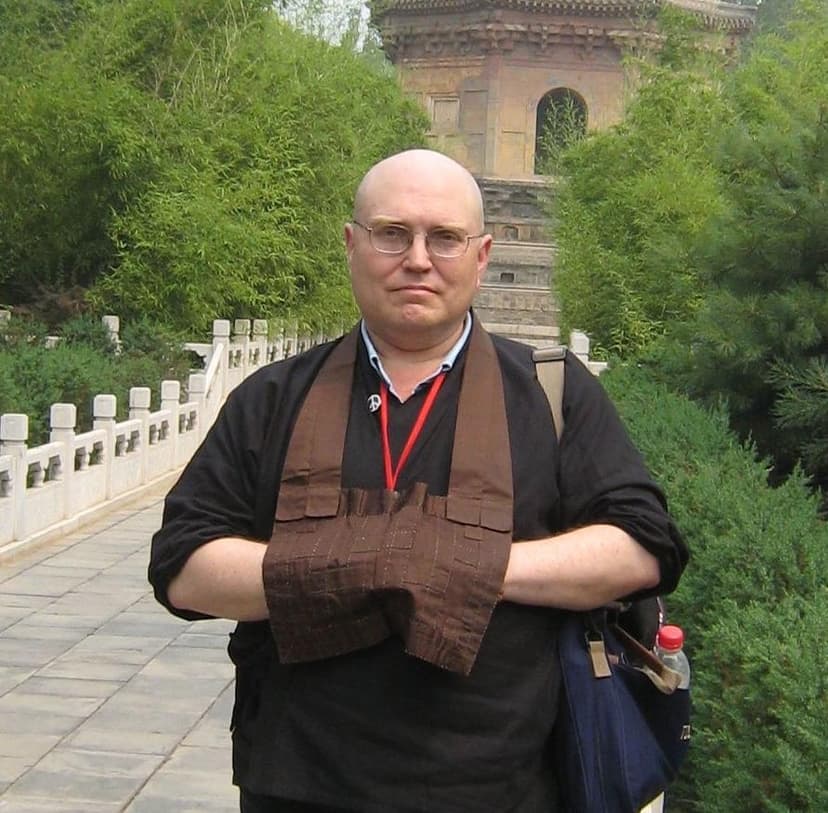
Taigen Dan Leighton is a Sōtō Zen priest, teacher, academic, and author, recognized as an authorized lineage holder in the tradition of Shunryū Suzuki. He founded Ancient Dragon Zen Gate in Chicago, Illinois, and is also an authorized teacher in the Japanese Sōtō School. Leighton is known for his extensive scholarship on Dōgen Zenji and his active involvement in engaged Buddhism, particularly in environmental and peace activism.