
Kenneth Pai
Kenneth Hsien-yung Pai is a Taiwanese writer known for his pioneering role in Chinese modernism. Born in 1937, his work often explores themes of melancholy, displacement, and the Chinese experience in postwar America and Taiwan. Pai's notable works, such as "Taipei People" and "Crystal Boys," have significantly influenced contemporary Chinese literature and offered groundbreaking perspectives.
Key Facts
- ›Born in Guilin, Guangxi, in 1937, amidst the Second Sino-Japanese War.
- ›Son of Kuomintang general Bai Chongxi.
- ›Diagnosed with tuberculosis at age seven.
- ›Moved with his family to Taiwan in 1952.
- ›Studied at National Taiwan University, majoring in English literature.
- ›His seminal work "Taipei People" was published in 1971.
Important Relationships
- Bai Chongxi (father)
- Ou Yangzi (fellow founder of Xiandai Wenxue)
Taipei People, Crystal Boys, Madame Ching, Death In Chicago, Pleasantville
Guilin, Chongqing, Shanghai, Nanjing, Hong Kong, Taiwan, Taipei, University of Iowa, University of California, Santa Barbara
Chinese, English
About Kenneth Pai
Kenneth Hsien-yung Pai
Kenneth Hsien-yung Pai is a prominent Taiwanese writer, often described as a "melancholy pioneer" in Chinese literature. Born in Guilin, Guangxi, in 1937, his early life was marked by the Second Sino-Japanese War and the Chinese Civil War, leading to his family's relocation to Taiwan in 1952.
Life and Education
Pai received his education in Hong Kong before moving to Taiwan, where he initially pursued hydraulic engineering at National Cheng Kung University. He later transferred to National Taiwan University to study English literature, graduating in the late 1950s. During his time at university, he began publishing short stories and co-founded the literary journal "Modern Literature" (Xiandai wenxue) with classmates. In 1963, he traveled to the United States to study at the University of Iowa's Writers' Workshop. He later became a professor of Chinese literature at the University of California, Santa Barbara, where he has resided for many years.
Major Works and Themes
Pai's literary output is characterized by sophisticated narratives and experimental modernist techniques. His most renowned work, the short story collection "Taipei People" (1971), is considered a seminal piece of Chinese modernism. Another significant novel, "Crystal Boys" (1983), offers a poignant exploration of homosexual youths in 1960s Taipei, addressing themes of alienation and societal intolerance. His writings, particularly those from his time in the U.S., have also contributed to understanding the Chinese expatriate experience, often subtly critiquing the materialism and alienation found in American society.
Influence and Recognition
Pai's work has been widely influential among writers in Taiwan and has gained recognition in Mainland China as well. His ability to introduce groundbreaking perspectives and tackle complex social issues has solidified his reputation as a significant voice in contemporary Chinese literature. He draws upon a diverse heritage, having been born Muslim, educated in Catholic schools, and later embracing Buddhist meditation practices.
Source: Wikipedia ↗
Frequently Asked Questions
What is Kenneth Pai known for?
Kenneth Pai is a celebrated Taiwanese writer recognized for his contributions to Chinese modernism. He is known for sophisticated narratives that introduce controversial and groundbreaking perspectives to Chinese literature, often exploring themes of melancholy and the Chinese diaspora.
What are Kenneth Pai's most famous works?
His most famous works include "Taipei People" (1971), a seminal work of Chinese modernism, and the novel "Crystal Boys" (1983), which tells the story of homosexual youths in 1960s Taipei. He has also written influential short stories about the Chinese experience in postwar America.
Where did Kenneth Pai study and teach?
Pai studied English literature at National Taiwan University and later pursued literary theory and creative writing at the University of Iowa. He subsequently became a professor of Chinese literature at the University of California, Santa Barbara, where he has resided since.
What personal experiences influenced Kenneth Pai's writing?
Pai's experiences with tuberculosis in his childhood, his family's displacement due to the Chinese Civil War, and the death of his mother in 1963 are cited as significant influences, contributing to the melancholy that pervades his work.
What is Kenneth Pai's background and heritage?
Kenneth Hsien-yung Pai was born in Guilin, China, to a notable Kuomintang general. He moved to Taiwan with his family and later to the United States. He was born Muslim, attended Catholic schools, and embraced Buddhist meditation practices.
Related Buddhists
Sheng-yen
Sheng Yen was a prominent Taiwanese Buddhist monk, writer, and religious scholar, recognized as a mainstream teacher of Chan Buddhism. He was the founder of Dharma Drum Mountain, a significant Buddhist organization in Taiwan, and was known for his progressive approach to teaching Buddhism in a modern, Western-influenced world. Sheng Yen was one of four leading Buddhist masters in Taiwan, often referred to as the "Four Heavenly Kings" of Taiwanese Buddhism.
Hsing Yun
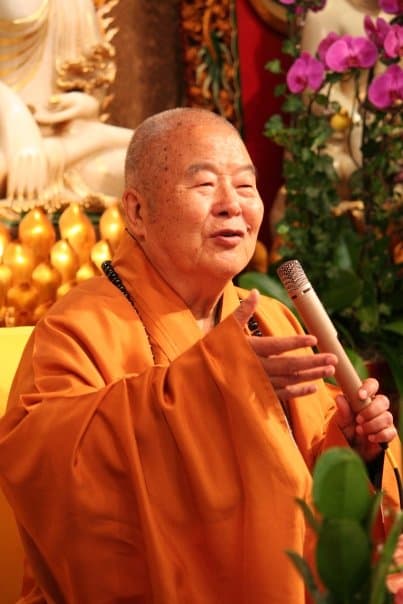
Hsing Yun was a prominent Chinese Buddhist monk, teacher, and philanthropist who founded the Fo Guang Shan monastic order and the Buddha's Light International Association. He was a leading proponent of Humanistic Buddhism and one of the most influential figures in modern Taiwanese Buddhism, known for his efforts to modernize Buddhist teachings and engage with contemporary society through various media and social welfare initiatives.
P. D. Premasiri
P. D. Premasiri is a Sri Lankan Buddhist scholar renowned for his work in Buddhist ethics and philosophy. His academic career is distinguished by a unique synthesis of Buddhist and Western philosophical traditions, evidenced by his extensive research, publications, and teaching roles at the University of Peradeniya and other international institutions. He currently serves as president of the Buddhist Publication Society, contributing significantly to the dissemination of Buddhist literature.