
Josei Toda
Japan·Nichiren Shoshu Buddhism·Male·20th century
Jōsei Toda was the second president of Soka Gakkai and a pivotal figure in its development, serving from 1951 to 1958. A teacher and peace activist, he was imprisoned during World War II for his beliefs. Upon his release, Toda was instrumental in rebuilding and expanding the Soka Gakkai, transforming it into a significant lay Buddhist movement.
Key Facts
- ›Served as the second president of Soka Gakkai from 1951 to 1958.
- ›Disciple of Tsunesaburō Makiguchi and mentor to Daisaku Ikeda.
- ›Imprisoned during World War II for violating the Peace Preservation Law and Lèse-majesté.
- ›Described as the architect of the modern Soka Gakkai.
- ›Promoted the concept of 'human revolution' for personal development.
- ›Published Nichiren's complete works, creating a definitive canon for the movement.
Important Relationships
- Tsunesaburō Makiguchi (mentor)
- Daisaku Ikeda (disciple and successor)
- Soka Gakkai (organization)
An Anatomy of Home Education, A Deductive Guide To Arithmetic, the Human Revolution, Shimpen Nichiren Daishonin Gosho Zenshu
Hokkaido, Tokyo, Sugamo Prison
Tsunesaburō Makiguchi, Nichiren Buddhism, Lotus Sutra
Japanese
President, Imprisoned Figure
About Josei Toda
Jōsei Toda: Architect of Soka Gakkai
Jōsei Toda (1900–1958) was a pivotal educator, peace activist, and the second president of the Soka Gakkai, a prominent lay Buddhist organization. He is widely regarded as the architect of the modern Soka Gakkai, having been primarily responsible for its existence and growth in its formative post-war years.
Early Life and Education
Born in Ishikawa Prefecture, Japan, Toda's family later moved to Hokkaido. He began his career as a teacher, demonstrating a passion for educational reform and an ambition to become a "world citizen." His early life was marked by personal loss, including the death of his wife and daughter, and his own struggles with tuberculosis. Financial success came through the publication of his highly popular arithmetic tutorial book, which allowed him to pursue his educational and spiritual endeavors.
Educational Contributions and Early Spiritual Life
Toda's educational work was deeply intertwined with that of his mentor, Tsunesaburō Makiguchi. He played a crucial role in the publication of Makiguchi's seminal work, "The System of Value-Creating Pedagogy," which is considered the founding document of the Soka Gakkai. Toda also established his own tutorial school, Jishu Gakkan, where he applied value-creating pedagogy. He authored and edited numerous educational materials, advocating for a more student-centered approach and denouncing the pressures of "entrance examination hell."
Around 1928-1930, Toda began practicing Nichiren Shoshu Buddhism, a faith that would profoundly shape his life and work. He attributed his business successes to his Buddhist faith, a perspective that would later be tested during imprisonment.
Imprisonment and Transformation
During World War II, both Toda and Makiguchi were arrested in 1943 on charges of blasphemy and violating the Peace Preservation Law. Makiguchi died in prison in 1944, but Toda endured two years of harsh conditions, malnutrition, and interrogation. His time in prison proved to be a period of profound spiritual awakening. He experienced deep insights into the nature of life and his own role as a Bodhisattva of the Earth, which instilled in him a sense of fearlessness and a mission to help others recognize life's inherent dignity.
Rebuilding and Leading Soka Gakkai
Released shortly before Japan's surrender in 1945, Toda, though physically weakened, embarked on the monumental task of rebuilding the Soka Kyoiku Gakkai, which had been effectively shuttered during the war. His initial focus was on re-establishing his businesses to provide a financial foundation for the organization. He also began sponsoring study lectures and small group meetings, reconnecting with pre-war members and attracting new ones, including Daisaku Ikeda, who would become his successor.
In 1951, Toda officially became the second president of Soka Gakkai. He set an ambitious goal of achieving 750,000 families as members before his death, a target that was ultimately met. His leadership was characterized by a focus on the "oneness of mentor and disciple," transforming Makiguchi's philosophy into a dynamic movement for personal and societal transformation in post-war Japan.
Key Contributions and Philosophy
Toda's contributions extended to shaping the Soka Gakkai's doctrine and philosophy. He articulated a "life philosophy," or "seimeiron," rooted in his prison experiences, linking the vitalistic "life force" of the Buddha with Makiguchi's ideas. He popularized the term "human revolution" to describe the process of transforming one's karma through Buddhist practice. Furthermore, he initiated the publication of Nichiren's complete works, creating a definitive canon for the movement, and established a Youth Division, envisioning young people as the vanguard of propagation.
Jōsei Toda's legacy is that of a resilient leader who, through his educational vision, spiritual conviction, and tireless efforts, laid the groundwork for the Soka Gakkai to become a global peace movement.
Source: Wikipedia ↗
Frequently Asked Questions
Who was Jōsei Toda?
Jōsei Toda was a Japanese Buddhist teacher, peace activist, and the second president of the Soka Gakkai, a lay Buddhist organization. He is credited with architecting the modern form of the Soka Gakkai and leading its significant growth.
What was Jōsei Toda's role in the Soka Gakkai?
Toda became the second president of Soka Gakkai in 1951. He was instrumental in rebuilding the organization after World War II, fostering its growth, and developing its core doctrines, including the concept of 'human revolution'.
Why was Jōsei Toda imprisoned?
Toda was imprisoned during World War II for violating the Peace Preservation Law and for the charge of lèse-majesté. These charges were related to his religious activities and opposition to Japan's wartime policies.
Who was Jōsei Toda's mentor and successor?
Jōsei Toda was the disciple of Tsunesaburō Makiguchi, the first president of Soka Gakkai. Toda later became the mentor of Daisaku Ikeda, who succeeded him as the third president and led the organization for many decades.
What is the significance of 'human revolution' in relation to Jōsei Toda?
'Human revolution' is a term Toda used to describe the process of inner transformation and self-development achieved through Buddhist practice. He embraced this concept from his mentor, Makiguchi, and it became a central tenet of Soka Gakkai philosophy.
Related Buddhists

Bhikkhu Bodhi
Bhikkhu Bodhi, born Jeffrey Block, is an American Theravada monk, author, and Buddhist commentator. He is recognized for his extensive work in translating and editing Buddhist texts, particularly from the Pali Canon, and for his leadership roles in Buddhist organizations. Bodhi is also the founder of Buddhist Global Relief, an organization dedicated to combating hunger and supporting women's empowerment.
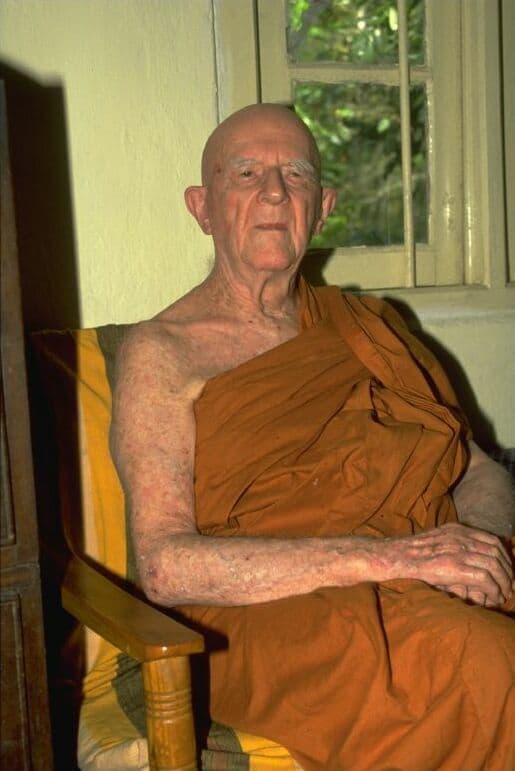
Nyanaponika Thera
Nyanaponika Thera was a German-born Theravada Buddhist monk, scholar, and author renowned for his extensive writings on Buddhist philosophy and practice. He co-founded the Buddhist Publication Society (BPS) and mentored many Western Buddhist leaders. His influential work, "The Heart of Buddhist Meditation," significantly contributed to the global dissemination of Theravada teachings.
Lance Selwyn Cousins
Lance Selwyn Cousins was a British scholar renowned for his contributions to Buddhist Studies, particularly in the field of Abhidhamma. He played a significant role in making the Pali Canon accessible online and was a prolific translator and editor of Buddhist texts. Beyond academia, Cousins was also a dedicated teacher of Buddhist meditation in the Thai samatha tradition, founding meditation centers and classes across the UK and internationally.