
John Crook
United Kingdom·Western Chan Fellowship·Male·20th century
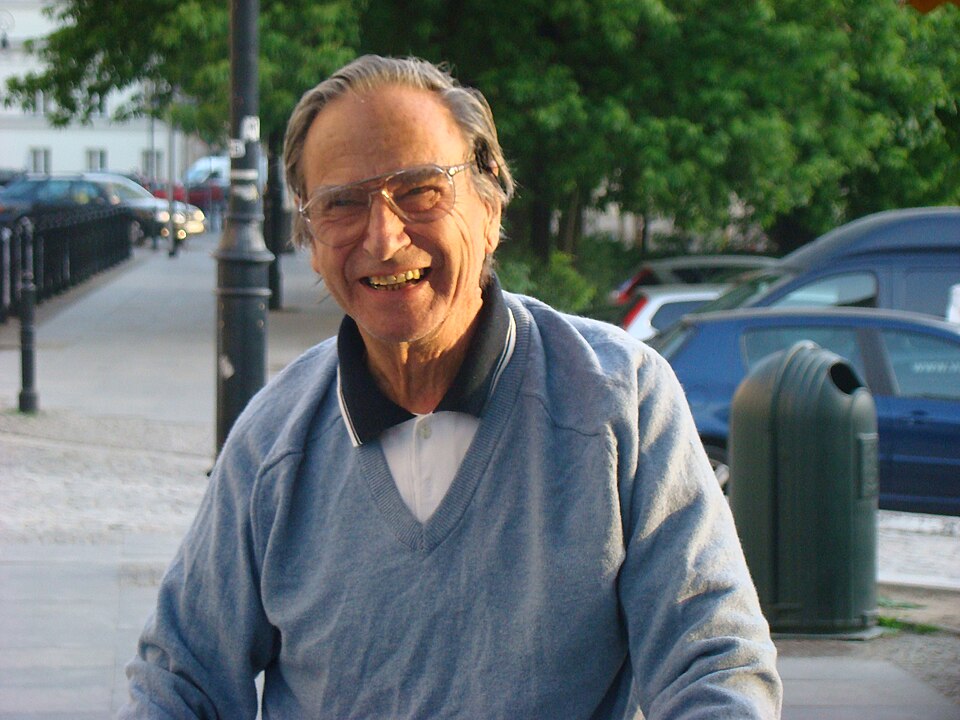
John Hurrell Crook was a British ethologist and primatologist known for his pioneering work in socio-ecology. He later became a significant figure in Western Chan Buddhism, teaching and establishing the Western Chan Fellowship. His academic career spanned studies of birds and primates, transitioning to socio-psychological anthropology and Buddhist practices.
Key Facts
- ›Pioneered the early development of socio-ecology in ethology.
- ›Led research groups studying social and reproductive behavior in birds and primates.
- ›Conducted extensive fieldwork in India, Africa, and the Himalayas.
- ›Introduced humanistic psychotherapy techniques and established the Bristol Encounter Centre.
- ›Became a recognized teacher of Chan Buddhism, transmitting authority from Chan Master Sheng-yen.
- ›Authored numerous scientific papers and several books on consciousness and Zen practice.
Important Relationships
- Professor K.R.L. Hall
- Robin Dunbar
- John Deag
- James Low
- Master Sheng-yen
- the Evolution of Human Consciousness
- Catching A Feather On A Fan: Zen Retreat With Master Sheng Yen
- the Yogins of Ladakh: A Pilgrimage Among the Hermits of the Buddhist Himalayas
- World Crisis and Buddhist Humanism
- University of Bristol
- Jesus College, Cambridge
- Center For Advanced Study In the Behavioral Sciences, Stanford University
- Zanskar, Ladakh
- Dharma Drum Retreat Center, New York
Niko Tinbergen, Konrad Lorenz, William Homan Thorpe, Robert Hinde, David Lack, Sheng-Yen
English
Ethologist, Teacher, Anthropologist, Primatologist
About John Crook
John Hurrell Crook
John Hurrell Crook (1930–2011) was a distinguished British ethologist, primatologist, and later, a significant teacher in Western Chan Buddhism. His academic career was marked by pioneering work in socio-ecology, a field that integrated the study of animal behavior with ecological and social factors. He held a pivotal role in the development of British primatology and led influential research groups.
Early Life and Academic Foundation
Educated at Oakmount School and Sherborne School, Crook's initial encounter with Chan Buddhism occurred during his national service in Hong Kong. He pursued higher education at the University of Southampton, where his early research on gulls led to doctoral studies at Jesus College, Cambridge, under the supervision of William Homan Thorpe and Robert Hinde. His doctoral work focused on weaver birds in West Africa, expanding into further research in India, the Seychelles, and East Africa.
Contributions to Ethology and Primatology
Crook was instrumental in establishing socio-ecology as a dimension of ethology, then largely influenced by Niko Tinbergen and Konrad Lorenz. After moving to the University of Bristol, he collaborated with Professor K.R.L. Hall to establish a center for primate studies. His research extended socio-ecological principles to primates, with fieldwork conducted in Ethiopia on geladas and Morocco on the Barbary macaque. A fellowship at the Center for Advanced Study in the Behavioral Sciences in California introduced him to humanistic psychotherapy, which he later taught widely in the UK, leading to the creation of the Bristol Encounter Centre.
Himalayan Studies and Buddhist Practice
In 1977, Crook led an expedition to Zanskar in Ladakh, Himalayas, to study polyandry. Subsequent expeditions explored the region's geology, agriculture, social structures, and monastic practices. He later returned to the Himalayas with Tibetologist James Low to study the lives of Buddhist hermits.
Upon retiring early from academia, Crook dedicated himself to practicing Zen Buddhism. He undertook intensive retreats taught by Chan Master Sheng-yen of Taiwan. In 1993, Master Sheng-yen transmitted to Crook the authority to teach Chan Buddhism. Together with colleagues, Crook formed the Western Chan Fellowship, developing a program of retreats tailored for Western practitioners.
Legacy and Publications
Crook authored around a hundred scientific papers across ornithology, ethology, and evolutionary psychology, as well as several books exploring consciousness and Zen practice. His final work was "World Crisis and Buddhist Humanism" (2009). He received honors including the Osman Hill Medal from the Primate Society of Great Britain and a fellowship at Stanford University. His death in 2011 was marked by a gathering of former students and colleagues, who recognized him as a "pivotal figure in the rise of British primatology and socio-ecology."
Source: Wikipedia ↗
Frequently Asked Questions
What was John Crook's primary academic field?
John Crook was primarily an ethologist, a scientist who studies animal behavior. He made significant contributions to primatology and was a pioneer in socio-ecology.
Where did John Crook conduct his fieldwork?
Crook conducted fieldwork in various locations, including West Africa (studying weaver birds), India, the Seychelles Islands, East Africa (studying geladas in Ethiopia), and Morocco (studying Barbary macaques).
How did John Crook become involved with Buddhism?
Crook first encountered Chan Buddhism during his national service in Hong Kong. Later in life, he began practicing Zen Buddhism intensively and eventually received transmission to teach Chan Buddhism from Master Sheng-yen.
What is the Western Chan Fellowship?
The Western Chan Fellowship is an organization formed by John Crook and colleagues to offer retreats and teachings adapted for Western Zen practitioners, based on his experiences and transmission from Chan Master Sheng-yen.
What were some of John Crook's notable publications?
His notable publications include "The Evolution of Human Consciousness," "Catching a Feather on a Fan: Zen Retreat with Master Sheng Yen," and "The Yogins of Ladakh: A Pilgrimage Among the Hermits of the Buddhist Himalayas."
Related Buddhists
Edward Salim Michael
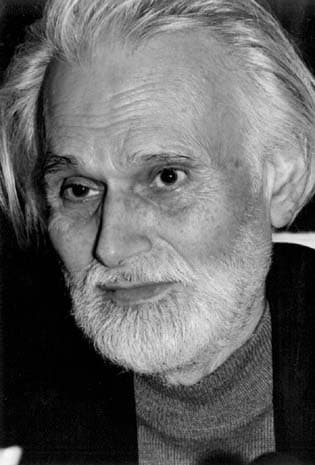
Edward Salim Michael was an English composer and author known for his symphonic music and writings on spirituality and meditation, particularly influenced by Buddhism. Despite a challenging early life and lack of formal education, he developed exceptional musical talent and later experienced profound spiritual awakenings, leading him to dedicate his life to teaching and writing about inner vigilance and enlightenment.
Frank Lee Woodward
Frank Lee Woodward was an English educationist, Pali scholar, author, and theosophist known for his extensive research and translation work on Theravada Buddhism. He is highly regarded for compiling a significant concordance of the Pali canon by translating numerous Pali texts into English. Woodward also served as the principal of Mahinda College in Ceylon for 16 years, significantly contributing to its development and the promotion of Buddhist education.
Ajahn Amaro
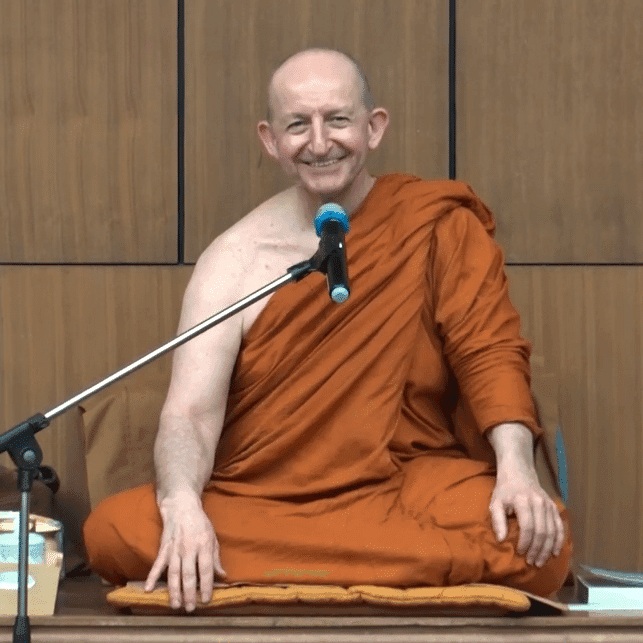
Ajahn Amaro is a British-American Theravāda Buddhist monk and teacher, known for his role as abbot of Amaravati Buddhist Monastery in England. Inspired by the Thai Forest Tradition and the teachings of Ajahn Chah, he emphasizes the practice of Buddhist ethics, concentration, and insight meditation as a means to alleviate suffering. He was instrumental in the establishment of Abhayagiri Monastery in California.