
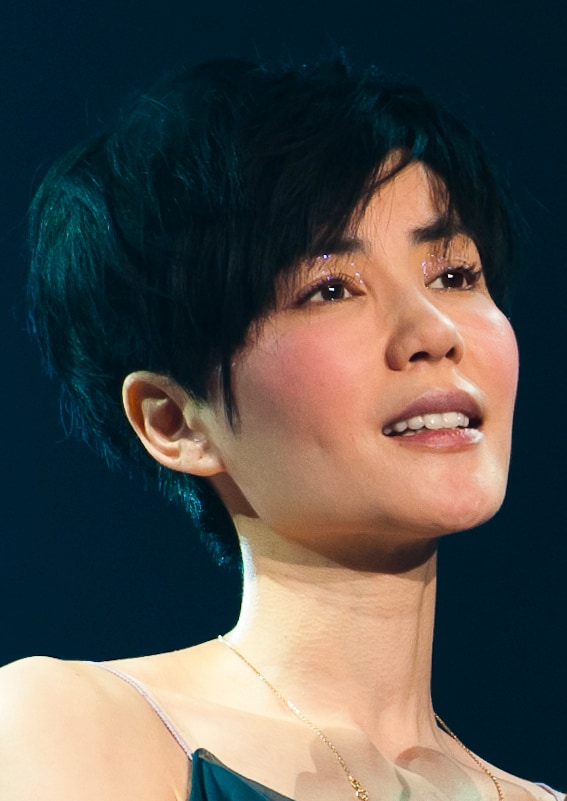
Faye Wong
China·Wong's music often incorporated elements of alternative and Cantopop, later shifting to Mandarin pop. The text mentions her conversion to Buddhism and its influence on lyrics, but not a formal affiliation with a specific Buddhist school.·Female·20th century
Faye Wong is a highly influential Chinese singer-songwriter and actress, known for her distinctive musical style that blends alternative music with Chinese pop. She achieved significant commercial success, particularly in the Cantopop and Mandopop markets, and gained international recognition for her roles in films by Wong Kar-wai. Wong is celebrated for her artistic innovation, unique vocal delivery, and her reputation as a cultural icon in the Chinese-speaking world.
Key Facts
- ›Born in Beijing, China, Faye Wong moved to Hong Kong at age 18 and began her music career.
- ›She is known for blending alternative music with Chinese pop and has recorded primarily in Mandarin since the late 1990s.
- ›Wong achieved international fame through her roles in Wong Kar-wai's films 'Chungking Express' and '2046'.
- ›In 2000, she was recognized by Guinness World Records as the best-selling Cantopop female artist.
- ›She is often referred to as a 'diva' or 'heavenly queen' in Chinese culture.
- ›Wong is also recognized for her significant influence in the Chinese-speaking world, ranking second in a poll of the most influential Chinese celebrities of the past 60 years.
Important Relationships
- Wong Kar-wai (film director)
- Dou Wei (ex-husband, musician)
- Tai See-chung (singing tutor)
- Katie Chan (agent)
- Na Ying (singer, friend)
- Albert Leung (lyricist)
Shirley Wong, Coming Home, No Regrets, 100,000 Whys, Mystery, Sky, Decadent Sounds of Faye, Di-Dar, Fuzao, Faye Wong, Sing and Play, Eyes On Me, Lovers & Strangers, Fable
Beijing, Hong Kong, New York City, Xiamen University
Teresa Teng, Cocteau Twins, Tori Amos, the Cranberries
Cantonese, Mandarin, English
Diva, Icon
About Faye Wong
Faye Wong (王菲; born August 8, 1969), also known by her birth name Wang Fei, is a globally recognized Chinese singer-songwriter and actress. She is celebrated for her distinctive musical style, which artfully blends alternative music with Chinese pop, and has achieved significant acclaim for her roles in films by acclaimed director Wong Kar-wai, including "Chungking Express" and "2046."
Early Life and Career Beginnings
Born in Beijing during the Cultural Revolution, Wong moved to Hong Kong at age 18. She began her singing career under the stage name Shirley Wong, releasing her debut album in 1989. Initially, she faced challenges adapting to Hong Kong's cultural landscape and language, but a transformative period of study and self-discovery in New York significantly shaped her artistic outlook. This experience fueled her desire for independence and a more authentic self-expression.
Musical Evolution and Success
Wong's breakthrough came in 1992 with the Cantopop hit "Fragile Woman." She quickly established a unique sound, moving away from traditional Cantopop towards more experimental and alternative influences. Her albums, such as "Coming Home," "No Regrets," and "Fuzao," showcased her artistic growth and willingness to take risks. By the late 1990s, she had shifted to recording primarily in Mandarin, solidifying her status as a leading artist in the Chinese-speaking world.
Recognition and Influence
Faye Wong's immense popularity is underscored by her recognition from Guinness World Records as the best-selling Cantopop female artist. She has also been voted one of the most influential Chinese celebrities. Her influence extends beyond music, with her fashion sense and outspoken personality earning her a reputation as a "diva" and "heavenly queen." Despite periods of withdrawal from the public eye, Wong remains an iconic figure in Asian entertainment.
Notable Works and Associations
Wong's discography includes numerous successful albums, such as "Mystery," "Sky," "Fable," and "Lovers & Strangers," alongside her contribution to the video game "Final Fantasy VIII" with the hit song "Eyes on Me." Her collaborations with director Wong Kar-wai and her friendship with singer Na Ying are significant aspects of her career. Her music often draws inspiration from diverse genres and reflects her personal journey and philosophical outlook, with elements of Buddhism notably influencing her lyrical themes.
Source: Wikipedia ↗
Frequently Asked Questions
What is Faye Wong's birth name and when was she born?
Faye Wong was born on August 8, 1969. Early in her career, she briefly used the stage name Shirley Wong.
What are Faye Wong's most famous films?
Faye Wong is perhaps best known in the West for starring in Wong Kar-wai's acclaimed films 'Chungking Express' (1994) and '2046' (2004).
What is Faye Wong's musical style?
Faye Wong established her unique style by blending alternative music with Chinese pop. She later shifted to recording primarily in her native Mandarin.
What are some of Faye Wong's notable musical achievements?
In 2000, Faye Wong was recognized by Guinness World Records as the best-selling Cantopop female artist. She was also voted the second most influential Chinese celebrity of the past 60 years in a poll commemorating the 60th anniversary of the People's Republic of China.
Where did Faye Wong grow up and how did she start her career?
Born in Beijing, Faye Wong moved to Hong Kong at age 18. She debuted as a singer with the Cantonese album 'Shirley Wong' in 1989 and achieved her breakthrough with the song 'Fragile Woman' in 1992.
Related Buddhists

Jack Kerouac
Jack Kerouac was an American novelist and poet, recognized as a pioneer of the Beat Generation alongside William S. Burroughs and Allen Ginsberg. He is best known for his novel "On the Road," which achieved widespread fame and cemented his status as a Beat icon. Kerouac's work explored themes of religion, mysticism, Buddhism, and life in urban America, influencing many cultural figures of the 1960s.
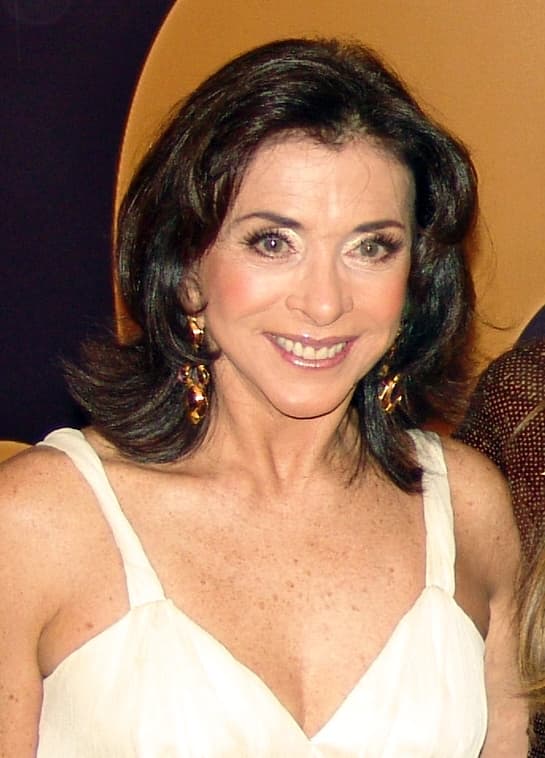
Betty Faria
Betty Faria is a Brazilian actress, born on May 8, 1941, in Rio de Janeiro. She is most recognized for her role as the title character in the 1989 telenovela "Tieta." Faria converted to Nichiren Buddhism in 1996.

Dayenne Mesquita
Dayenne Mesquita, also known as Day Mesquita, is a Brazilian actress born in 1985. She is recognized for her leading roles in several telenovelas and has also portrayed significant religious figures in film and television. Mesquita, who was raised Roman Catholic, now follows Buddhist philosophy.