
Dharmaraksita
Dharmaraksita, also known as Dhammarakkhita, was a prominent Greek Buddhist missionary sent by the Mauryan emperor Ashoka to spread Buddhism. He is significant for his role in proselytizing in the northwestern Indian subcontinent and for his association with later Buddhist traditions, including training the monk Nagasena.
Key Facts
- ›Described as a Greek (Yona) missionary of Buddhism.
- ›Sent by Emperor Ashoka to propagate the Dharma to northwestern India.
- ›Preached in Aparantaka, converting 37,000 people and ordaining thousands.
- ›Trained the monk Nagasena, who later met King Menander.
- ›His activities indicate the involvement of Hellenistic Greeks in early Buddhism.
- ›His name translates to 'Protected by the Dharma' in Sanskrit.
Important Relationships
- Ashoka
- Nagasena
- Punabbasukutumbikaputta Tissa Thera
Preaching of the Aggikkhandopama Sutra
Aparantaka, Pataliputra, Northwestern Indian Subcontinent
Ashoka
Pali, Sanskrit
Monastic Vows
About Dharmaraksita
Dharmaraksita, whose name translates to 'Protected by the Dharma,' was a significant figure in the early dissemination of Buddhism. Historical texts, particularly the Pali chronicles like the Mahavamsa and Dipavamsa, identify him as a Greek (Yona) Buddhist missionary dispatched by the Mauryan Emperor Ashoka.
Role in Buddhist Expansion
Emperor Ashoka, a fervent patron of Buddhism, initiated widespread missionary efforts to spread the Dhamma. Dharmaraksita was among those sent to the northwestern regions of the Indian subcontinent, specifically the area known as Aparantaka. This region, comprising parts of modern-day Gujarat, Kathiawar, Kachch, and Sindh, was likely home to significant Greek communities established after Alexander the Great's conquests. Dharmaraksita's activities there were highly successful; he is credited with preaching the Aggikkhandopama Sutra, which led to the conversion of 37,000 individuals and the ordination of thousands of men and women into the monastic order.
Teacher of Nagasena
Further evidence of Dharmaraksita's importance comes from the Milinda Panha, a significant non-canonical Buddhist text. According to this text, Nagasena, who later engaged in profound philosophical dialogues with the Indo-Greek King Menander, was a student of Dharmaraksita. Dharmaraksita is depicted as residing in Pataliputra, the Mauryan capital, where he instructed Nagasena in the Buddha's teachings. Under Dharmaraksita's guidance, Nagasena attained Arahatship, signifying a high level of spiritual realization. This connection underscores the role of Greek intellectuals in shaping Buddhist thought and practice during its formative centuries and highlights Dharmaraksita's influence as a spiritual mentor.
Source: Wikipedia ↗
Frequently Asked Questions
Who was Dharmaraksita?
Dharmaraksita was a significant Buddhist missionary, described as being of Greek (Yona) origin. He was sent by the Mauryan emperor Ashoka to spread Buddhist teachings.
What was Dharmaraksita's role in spreading Buddhism?
Dharmaraksita was tasked with propagating Buddhism in the northwestern part of the Indian subcontinent, specifically in the region of Aparantaka. He successfully converted thousands and ordained many into the monastic order.
What is the significance of Dharmaraksita's Greek heritage?
His Greek heritage highlights the presence and active participation of Hellenistic communities in the early spread of Buddhism. It suggests a degree of cultural exchange and integration during that period.
What Buddhist texts mention Dharmaraksita?
Dharmaraksita is mentioned in important Pali historical texts such as the Dīpavaṃsa and the Mahāvaṃsa. He is also referenced in the Milinda Panha as the teacher of the monk Nagasena.
What notable teachings or sutras is Dharmaraksita associated with?
Dharmaraksita is said to have preached the Aggikkhandopama Sutra in Aparantaka, which led to the conversion of thousands of people.
What was Dharmaraksita's connection to Nagasena?
According to the Milinda Panha, Dharmaraksita was the teacher of Nagasena, a prominent Buddhist monk. Under Dharmaraksita's guidance in Pataliputra, Nagasena studied the Buddha's teachings and attained enlightenment.
Related Buddhists
Ashoka
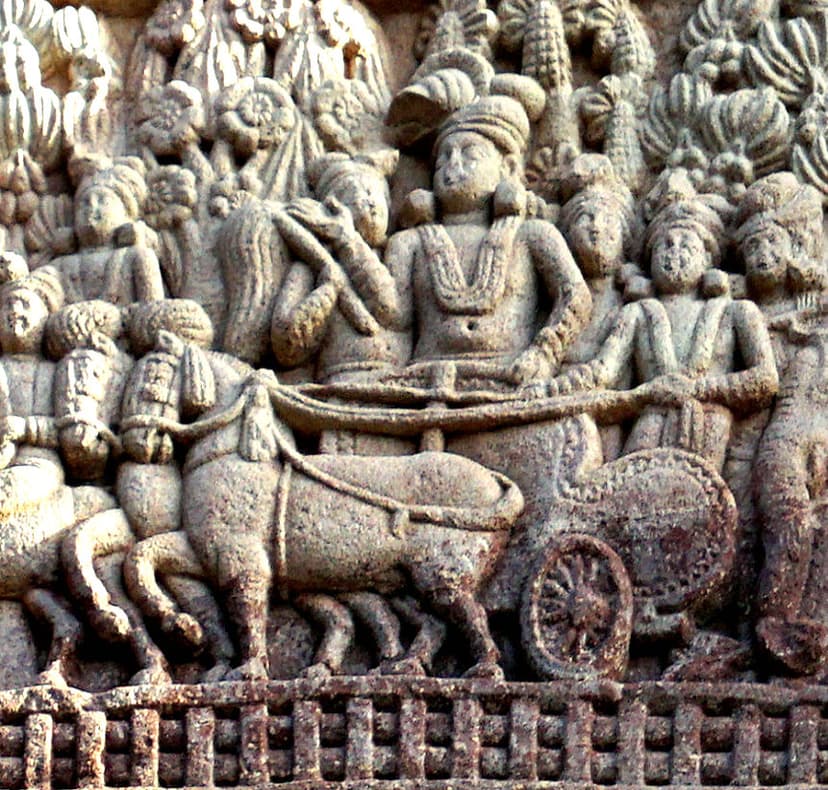
Ashoka the Great was a powerful Emperor of Magadha from the Mauryan dynasty who reigned in the 3rd century BCE. He is renowned for his pivotal role in the spread of Buddhism across Asia after a brutal war of conquest led him to embrace the principles of dhamma, or righteous conduct. His reign saw the establishment of numerous stupas, patronage of the Third Buddhist Council, and support for Buddhist missionaries, solidifying his legacy as a significant figure in Buddhist history and a symbol of modern India.
Devanampiya Tissa of Anuradhapura
Devanampiya Tissa was a significant early king of Anuradhapura, Sri Lanka, whose reign (traditionally 307-267 BC, or 247-207 BC by modern scholars) is primarily known for the arrival of Buddhism on the island. His friendship with the Mauryan Emperor Ashoka led to the mission of Ashoka's son, Mahinda, who converted the king and his court, marking a pivotal moment in Sri Lankan history.
Ashin Thittila
Ashin Thittila was a distinguished Burmese Theravada Buddhist monk, scholar, and meditation teacher. He is renowned for being a pioneer in Buddhist missionary work abroad, notably spending extended periods in England. His contributions include translating key Abhidhamma texts into English and lecturing widely on Buddhist philosophy and meditation across multiple continents.