
Bishuddhananda Mahathera
Bishuddhananda Mahathera was a prominent Bangladeshi Buddhist monk and scholar, active in the mid-20th century. He is recognized for his contributions to Buddhist education, establishing religious institutions, and providing humanitarian aid during times of crisis, notably the Great Bengal Famine of 1943 and the Bangladesh Liberation War.
Key Facts
- ›Born in Chittagong District, British India, on February 23, 1909.
- ›Became a monk in 1925 and completed his vows in 1930.
- ›Studied Buddhism further in Sri Lanka, earning a higher degree.
- ›Founded Buddhist temples, colleges, and an orphanage for Buddhist orphans.
- ›Awarded the Tamgha-e-Pakistan and the Gandhi Peace Prize for his humanitarian work.
- ›Died on March 2, 1994, in Chittagong District, Bangladesh.
Important Relationships
- Maniruzzaman Islamabadi
- Benimadhab Barua
- Agrasar Anathalay
- Bangladesh Bauddha Kristi Prachar Sangha
Chittagong District, Hoarapara, Raozan Upazila, Sri Lanka
Monk Vows
About Bishuddhananda Mahathera
Bishuddhananda Mahathera (1909–1994) was a prominent Bangladeshi Buddhist monk and scholar. His life's work was dedicated to the propagation of Buddhism and the welfare of the Buddhist community, particularly in the Chittagong region.
Early Life and Monastic Vows
Born on February 23, 1909, in Hoarapara, Raozan Upazila, Chittagong District, British India, Mahathera received his early education at Noapara High School and Mahamuni Anglo Pali School. He took his monastic vows in 1925 and completed them in 1930, embarking on a lifelong path of religious service and scholarship.
Scholarship and Public Service
Mahathera pursued further studies in Buddhism in Sri Lanka from 1934 to 1937, where he earned a higher degree. Upon his return, he was instrumental in establishing numerous Buddhist temples and educational institutions. During the devastating Great Bengal Famine of 1943, he actively participated in relief efforts alongside notable figures like Maniruzzaman Islamabadi and Benimadhab Barua. He also founded the Agrasar Anathalay, an orphanage dedicated to providing care for Buddhist orphans.
Advocacy and Recognition
In his later career, Mahathera played a significant role in public life. He was appointed to the Buddhist scholarship committee by the Government of Pakistan and founded the Bangladesh Bauddha Kristi Prachar Sangha in 1949. He successfully advocated for the inclusion of Tripitaka readings on public radio. His humanitarian contributions earned him the Gandhi Peace Prize, although he was also awarded the Tamgha-e-Pakistan by the Government of Pakistan, an award he later renounced. During the Bangladesh Liberation War, he took steps to ensure the safety of the Buddhist community through special cards.
Death
Bishuddhananda Mahathera passed away on March 2, 1994, in Chittagong District, Bangladesh. He was laid to rest in Hoarapara, Raozan Upazila, at the Sudarshan Vihar, marking the end of a life devoted to spiritual practice and social service.
Source: Wikipedia ↗
Frequently Asked Questions
When and where was Bishuddhananda Mahathera born?
Bishuddhananda Mahathera was born on February 23, 1909, in Hoarapara, Raozan Upazila, Chittagong District, which was then part of British India.
What significant institutions did Bishuddhananda Mahathera establish?
He established a number of Buddhist temples and colleges. He also founded an orphanage for Buddhist orphans called Agrasar Anathalay and the Bangladesh Bauddha Kristi Prachar Sangha.
How did Bishuddhananda Mahathera contribute during times of crisis?
During the Great Bengal Famine of 1943, he provided relief to victims. During the Bangladesh Liberation War, he arranged special safety cards for the Buddhist community.
What recognition did Bishuddhananda Mahathera receive?
He was awarded the Tamgha-e-Pakistan by the Government of Pakistan and also received the Gandhi Peace Prize. He later renounced the Tamgha-e-Pakistan award.
When and where did Bishuddhananda Mahathera die?
Bishuddhananda Mahathera died on March 2, 1994, in Chittagong District, Bangladesh. He was buried in Hoarapara, Raozan Upazila, at the Sudarshan Vihar.
Related Buddhists
Gyanashree Mahathero
Gyanashree Mahathero was a Bangladeshi Buddhist monk recognized for his extensive contributions to social service and education. He played a pivotal role in developing religious and educational institutions, particularly for underprivileged Buddhist communities in the Chittagong Hill Tracts. His lifelong dedication earned him national recognition, including the Ekushey Padak.
Cyril de Zoysa
Sir Cyril de Zoysa was a prominent Sri Lankan industrialist, senator, and philanthropist who played a significant role in the 20th-century Buddhist revival movement in Ceylon (now Sri Lanka). He served as the President of the Senate of Ceylon from 1960 to 1965, demonstrating a commitment to both public service and the preservation of Buddhist heritage.
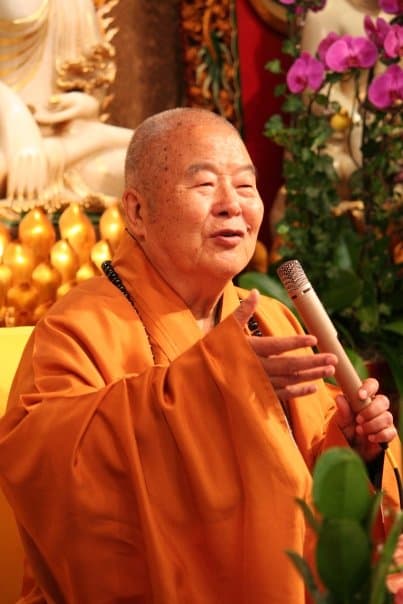
Hsing Yun
Hsing Yun was a prominent Chinese Buddhist monk, teacher, and philanthropist who founded the Fo Guang Shan monastic order and the Buddha's Light International Association. He was a leading proponent of Humanistic Buddhism and one of the most influential figures in modern Taiwanese Buddhism, known for his efforts to modernize Buddhist teachings and engage with contemporary society through various media and social welfare initiatives.