
Zen Center of Los Angeles
The Zen Center of Los Angeles (ZCLA), also known as Buddha Essence Temple, is a significant Zen Buddhist center established in 1967 by Hakuyu Taizan Maezumi. Practicing within the White Plum lineage, ZCLA is dedicated to the mission of knowing the Self, upholding Buddhist precepts, and serving others through the teaching and transmission of Zen Buddhism.
Key Facts
- ›Founded in 1967 by Hakuyu Taizan Maezumi.
- ›Practices within the White Plum lineage of Zen Buddhism.
- ›Its temple name is Buddha Essence Temple.
- ›Observes a daily schedule of zazen, Buddhist services, and work practice.
- ›Offers programs including introductory classes, sesshin, and workshops.
- ›Its mission is to know the Self, maintain the precepts, and serve others.

Important Relationships
- Hakuyu Taizan Maezumi
- Wendy Egyoku Nakao
About Zen Center of Los Angeles
The Zen Center of Los Angeles (ZCLA), also recognized by its temple name Buddha Essence Temple, stands as a prominent Zen Buddhist institution in the United States. Founded in 1967 by the influential teacher Hakuyu Taizan Maezumi, ZCLA is a key center for practice within the White Plum lineage, a significant school of Zen Buddhism.
Practice and Mission
ZCLA is dedicated to a rigorous daily schedule that includes zazen (seated meditation), Buddhist services, and work practice, which integrates mindfulness into daily activities. The center offers a comprehensive range of programs designed to support practitioners at all levels, from introductory classes and workshops to intensive training periods known as sesshin. A core element of their training involves koan study, guided by teachers such as Abbot Wendy Egyoku Nakao. The sangha, or community of practitioners, engages deeply in zazen and koan training, following the Maezumi-Glassman lineage.
The fundamental mission of the Zen Center of Los Angeles is articulated as "to know the Self, maintain the precepts, and serve others." This mission is realized through the provision of authentic Zen Buddhist teachings, training, and the transmission of the dharma. ZCLA's vision extends to fostering an enlightened world characterized by transcended suffering, harmonious coexistence among all beings, universal sufficiency, the realization of deep wisdom, and the unimpeded flow of compassion.
Source: Wikipedia ↗
Frequently Asked Questions
When was the Zen Center of Los Angeles founded?
The Zen Center of Los Angeles was founded in 1967. Its establishment was a significant step in the development of Zen Buddhism in the United States.
What is the primary practice at the Zen Center of Los Angeles?
The primary practice at ZCLA involves zazen (seated meditation), Buddhist services, and work practice. They also engage in koan training within the Maezumi-Glassman lineage.
What is the mission of the Zen Center of Los Angeles?
The mission of ZCLA is to foster self-knowledge, uphold Buddhist precepts, and serve others. They aim to achieve this by providing the teaching, training, and transmission of Zen Buddhism.
What lineage does the Zen Center of Los Angeles follow?
The Zen Center of Los Angeles practices in the White Plum lineage. This lineage is also associated with the Maezumi-Glassman lineage for koan training.
Related Buddhist Temples

Furnace Mountain
Furnace Mountain, officially known as Kwan Se Um San Ji Sah, is an American Zen Buddhist retreat center located in Clay City, Kentucky. Co-founded in 1986, it was initially part of the Kwan Um School of Zen but is now unaffiliated. The center is situated on 850 acres within a section of the Daniel Boone National Forest, modeled after traditional Korean Buddhist temples.
Still Point Zen Buddhist Temple
Still Point Zen Buddhist Temple was a Zen Buddhist center located in Detroit, Michigan, founded by P'arang Geri Larkin. It served as a welcoming community for people of all backgrounds to engage in Buddhist practices and teachings, tracing its lineage to Korean Buddhism.
Upaya Institute and Zen Center
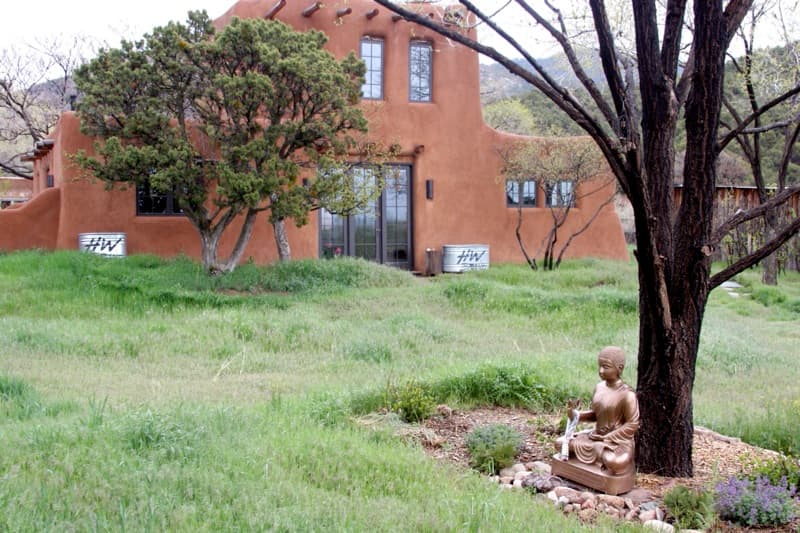
Upaya Institute and Zen Center is a residential Zen practice center in Santa Fe, New Mexico, founded by Joan Halifax Roshi. It emphasizes the integration of Zen practice with social action, cultivating wisdom and compassion, and providing services in areas such as death and dying, prison work, and environmental and women's rights advocacy.