
Sithulpawwa Rajamaha Viharaya
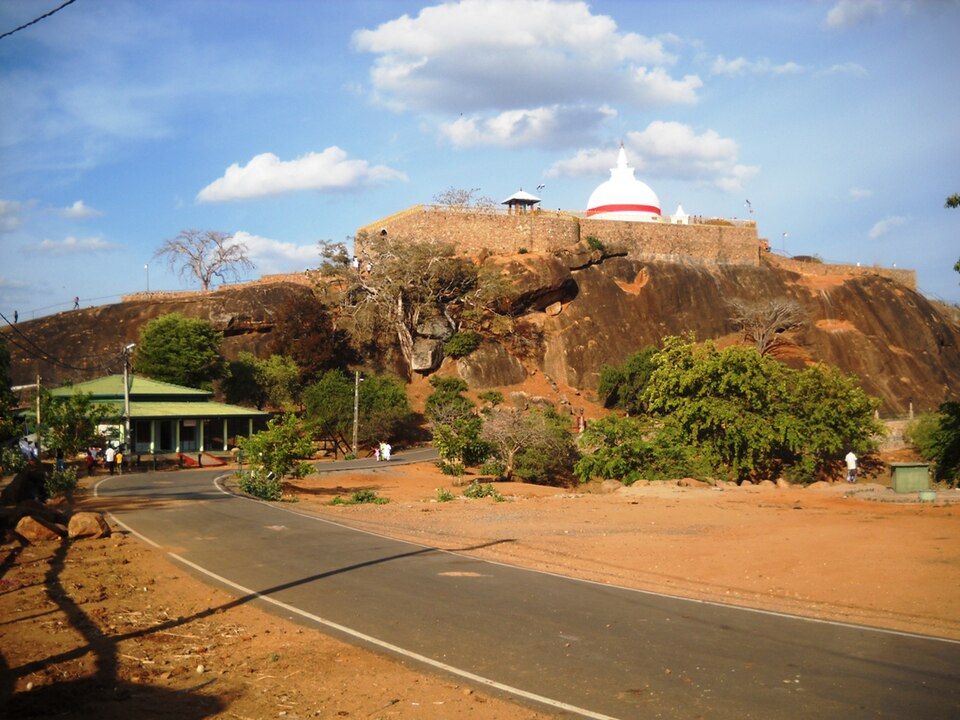
Sithulpawwa Rajamaha Viharaya is an ancient Buddhist monastery located in Hambantota District, South Eastern Sri Lanka, renowned as a significant center for Buddhist worship and education. Believed to have been established in the 2nd century B.C. by King Kavantissa, the monastery's name, "Chiththala Pabbatha," translates to "the hill of the quiet mind," reflecting its spiritual significance.
Key Facts
- ›Founded in the 2nd century B.C. by King Kavantissa.
- ›Located in Hambantota District, South Eastern Sri Lanka, near Yala National Park.
- ›The name derives from "Chiththala Pabbatha," meaning "the hill of the quiet mind."
- ›Served as both a place of worship and a center for Buddhist monastic education.
- ›Features paintings from the Anuradhapura era and ruins of stone Buddha and Bodhisattva images.
- ›King Gajabahu issued an inscription mandating tax revenue from the court be paid to the monks of this monastery.
Important Relationships
- King Kavantissa
- King Gajabahu
Paintings of the Anuradhapura Era, Ruins of Stone Buddha Images, Bodhisattva Images, Image Houses, Circular Relic Houses
- King Gajabahu Placed A Stone Inscription Stating That Tax Revenue From the Court Must Be Paid To the Monks of This Monastery.
Anuradhapura Era
About Sithulpawwa Rajamaha Viharaya
Sithulpawwa Rajamaha Viharaya is an ancient Buddhist monastery situated in the Hambantota District of South Eastern Sri Lanka. Located approximately 18 kilometers east of the pilgrimage town of Katharagama, it is strategically positioned along the road leading towards Yala National Park. The monastery's name, derived from "Chiththala Pabbatha," signifies "the hill of the quiet mind," hinting at its contemplative and spiritual purpose.
Historical Context and Significance
Historical accounts suggest that Sithulpawwa Rajamaha Viharaya was established in the 2nd century B.C. by King Kavantissa. It served a dual role of paramount importance: as a sacred site for religious devotion and as a prominent center for Buddhist monastic education, fostering the intellectual and spiritual development of Buddhist monks. The monastery's enduring legacy is further underscored by King Gajabahu's royal decree, recorded in a stone inscription, which mandated that tax revenues collected from the court be allocated to the monks of Sithulpawwa.
Architectural and Artistic Heritage
The sprawling grounds of Sithulpawwa Rajamaha Viharaya bear witness to its rich past through various archaeological remnants. Visitors can observe paintings characteristic of the Anuradhapura era, which offer insights into the artistic traditions of ancient Sri Lanka. The site also features the ruins of stone sculptures, including images of the Buddha and Bodhisattvas, alongside the remains of Image Houses and Circular Relic Houses, collectively contributing to the site's historical and cultural significance.
Source: Wikipedia ↗
Frequently Asked Questions
When was Sithulpawwa Rajamaha Viharaya founded?
Sithulpawwa Rajamaha Viharaya is believed to have been built in the 2nd century B.C. by King Kavantissa.
What is the meaning of the name Sithulpawwa?
The name Sithulpawwa is derived from the Sanskrit term "Chiththala Pabbatha," which translates to "the hill of the quiet mind."
What kind of artifacts can be found at Sithulpawwa Rajamaha Viharaya?
The monastery premises contain paintings from the Anuradhapura era, along with the ruins of stone Buddha images, Bodhisattva images, Image Houses, and Circular Relic Houses.
What was the historical significance of Sithulpawwa Rajamaha Viharaya?
It was a vital center for Buddhist worship and education for monks. Historical records also indicate royal patronage, with King Gajabahu decreeing that court tax revenues be paid to the monks residing here.
Related Buddhist Temples
Muhudu Maha Viharaya
Muhudu Maha Viharaya is an ancient Buddhist temple located in Pottuvil, Ampara District, Eastern Province of Sri Lanka. Believed to have been constructed over 2000 years ago by King Kavan Tissa of Ruhuna, it is situated near a prominent beach and is a significant historical site with numerous ruins.

Galmaduwa Raja Maha Vihara, Ampara
Galmaduwa Raja Maha Vihara is an ancient Buddhist temple located in Galmaduwa, Sri Lanka, believed to have been constructed during the reign of King Saddha Tissa. It was rediscovered and re-established as a modern Vihara complex following the Gal Oya development program, and is formally recognized as an archaeological site by the Sri Lankan government.

Samanabedda cave temple
Samanabedda cave temple is an ancient Buddhist site located in Uhana, Ampara District, Sri Lanka. Formally recognized as an archaeological site by the Sri Lankan government, it is traditionally believed to have been established during the reign of King Saddha Tissa.