
Naigala Raja Maha Vihara
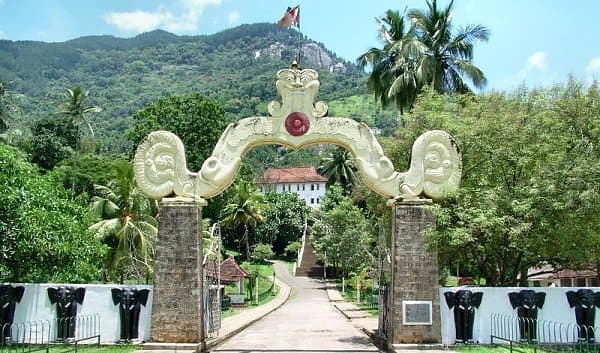
Naigala Raja Maha Vihara is an ancient Buddhist temple located in Weeraketiya, Sri Lanka, recognized for its historical significance and archaeological remains. It is believed to have been built by Kings Gotabhaya and Mahananga and was known as Kala Pabbatha Vihara in ancient inscriptions.
Key Facts
- ›Built according to the Pabbata Vihara system.
- ›Considered a rare site in the Ruhuna Kingdom with Panchayathana features and seven Stupas.
- ›Formally recognized as an archaeological site by the Sri Lankan government in 1966.
- ›Believed to have been built by Kings Gotabhaya and Mahananga.
- ›The Bodhi tree is thought to be a sapling of the Sri Maha Bodhi, planted by an arahant.
- ›Ruins of a two-story image house from the Anuradhapura period were discovered in 2013.

Important Relationships
- King Gotabhaya
- King Mahananga
- Queen Sugala
- King Devanapathisa
- Panchayathana Features
- Seven Stupas
- Bodhi Tree
- Circular Stone Believed To Have Hidden the Tooth Relic
- Ruins of A Two-Story Image House
- Designated As An Archaeological Site By the Government of Sri Lanka On April 22, 1966.
Pabbata Vihara System
About Naigala Raja Maha Vihara
Naigala Raja Maha Vihara, also known in ancient inscriptions as Kala Pabbatha Vihara, is a significant ancient Buddhist temple situated in Weeraketiya, within the Hambantota District of Sri Lanka. Its historical importance is underscored by its recognition as a formally designated archaeological site by the Sri Lankan government in 1966. The temple adheres to the Pabbata Vihara architectural system and is notable for being one of the few sites in the ancient Ruhuna Kingdom to feature Panchayathana elements and seven stupas.
Historical belief attributes the construction of Naigala Raja Maha Vihara to Kings Gotabhaya and Mahananga. The temple grounds are home to a Bodhi tree believed to be a sapling from the sacred Sri Maha Bodhi, planted by an arahant. A local folklore connects the temple's name, Naigala, to King Mahanaga, suggesting a story involving a snake guiding the king to a water source on a rock during a period of drought.
Excavations conducted by the Archaeological Department in 2009 uncovered numerous archaeological monuments and ruins within the vihara premises. These findings include stupas, walls, Boodhigaras (Bodhi tree enclosures), and ponds. A distinctive circular stone with a hollow has also been found, which is traditionally believed to have been used by Queen Sugala to conceal the tooth relic of the Buddha for protection. Furthermore, archaeologists discovered the remains of a two-story image house in 2013, dating back to the Anuradhapura period, highlighting the temple's long and layered history.
Source: Wikipedia ↗
Frequently Asked Questions
Where is Naigala Raja Maha Vihara located?
Naigala Raja Maha Vihara is situated in Weeraketiya, Hambantota District, Sri Lanka. It is approximately 2 km from the Weeraketiya junction and 8 km from the Mulkirigala Raja Maha Vihara.
What is the historical significance of Naigala Raja Maha Vihara?
The temple is considered historically important due to its ancient origins, its adherence to the Pabbata Vihara system, and its unique Panchayathana features and seven Stupas. It has been formally recognized as an archaeological site by the government.
Who is believed to have built Naigala Raja Maha Vihara?
It is believed that the temple was built by Kings Gotabhaya and Mahananga. Inscriptions found at the site indicate it was known as Kala Pabbatha Vihara.
What archaeological discoveries have been made at the temple?
Excavations have revealed numerous archaeological monuments and ruins, including Stupas, walls, Boodhigaras, and ponds. Notably, ruins of a two-story image house from the Anuradhapura period were found in 2013.
What is the origin of the name 'Naigala'?
A folklore connects the name to King Mahanaga. According to tradition, a snake led the king to a pond on a rock during a drought, and the area became known as Naya Penvu Gala (The rock, showed by the snake), eventually evolving into Naigala.
Related Buddhist Temples

Abhayathilakarathnaramaya
Abhayathilakarathnaramaya, also known as Kuruvita Purana Vihara, is an ancient Buddhist temple situated in Kuruwita, Sri Lanka. It holds significance as a formally recognized archaeological site by the Sri Lankan government, highlighting its historical and cultural importance.

Aluthepola Ganekanda Raja Maha Vihara
Aluthepola Ganekanda Raja Maha Vihara, also known as Aluthepola Vihara, is an ancient Buddhist temple situated in Minuwangoda, Sri Lanka. Local folklore suggests it was a sanctuary for King Valagamba during a period of Dravidian rule in Anuradhapura, highlighting its historical significance. The temple has been officially recognized as an archaeological site by the Sri Lankan government.
Aluvihare Rock Temple
The Aluvihare Rock Temple, also known as Matale Alu Viharaya, is a significant Buddhist temple in Sri Lanka's Matale District. It holds historical importance as the site where the Pāli Canon was first transcribed onto palm leaves, preserving Buddhist scriptures during times of upheaval. The temple complex features numerous monastery caves, some adorned with ancient inscriptions, frescoes, and Buddha statues, making it a place of both historical preservation and religious devotion.