
Kim Liên Temple
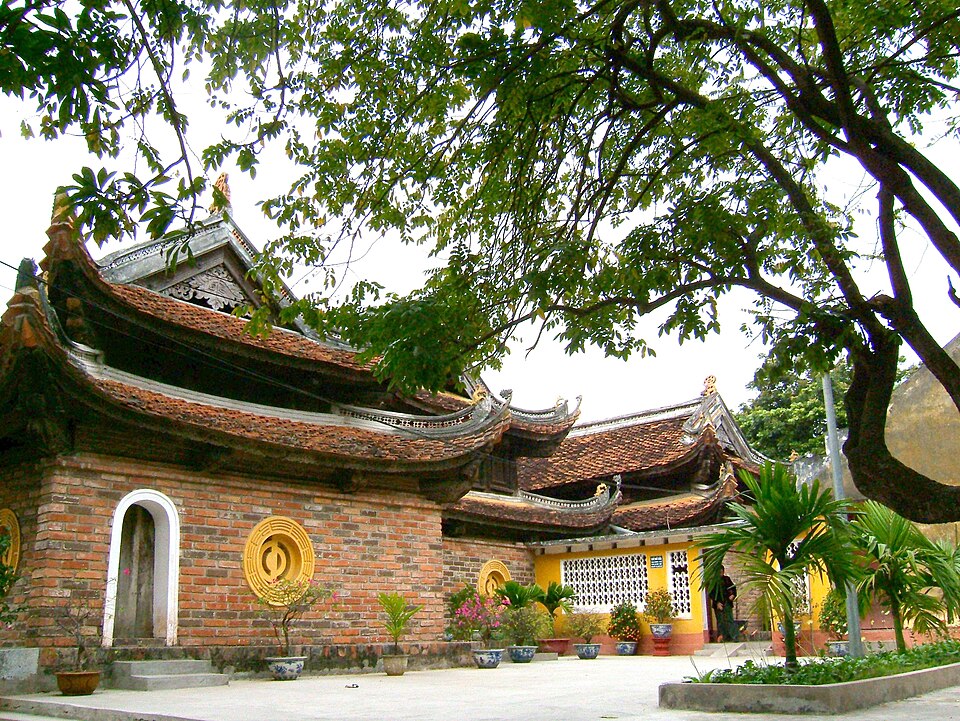
Kim Liên Temple, also known as Chùa Kim Liên or Chữ Hán: 金蓮寺, is a significant Buddhist pagoda located in Hanoi, Vietnam. It is historically believed to have been constructed on the former site of the Lý dynasty's Từ Hoa Palace, a location associated with Princess Từ Hoa and royal silk cultivation by West Lake. The current structure of the pagoda dates from a major reconstruction period between 1771 and 1792.
Key Facts
- ›Located by West Lake in Hanoi, Vietnam, historically in Nghi TàM village and currently in Quảng an village, Tây Hồ district.
- ›Tradition holds that the pagoda was built on the foundations of the Lý dynasty's Từ Hoa Palace.
- ›The palace was named after Princess Từ Hoa, daughter of Emperor Lý Thần Tông (reigned 1128-1138).
- ›The area was formerly used as a royal silk farm.
- ›The current pagoda structure was reconstructed between 1771 and 1792.
Important Relationships
- Lý Thần Tông (Emperor)
- Princess Từ Hoa
West Lake, Site of Lý Dynasty's Từ Hoa Palace
Reconstruction From 1771–1792
About Kim Liên Temple
Kim Liên Temple, known in Vietnamese as Chùa Kim Liên and historically by its Chữ Hán name 金蓮寺, is a notable Buddhist pagoda located in Hanoi, Vietnam. The pagoda is situated on a strip of silt land adjacent to the scenic West Lake. Historically, this area was part of Nghi Tàm village, and it is now within Quảng An village in the Tây Hồ district of modern Hanoi.
Historical Context and Origins
According to local tradition, the site of Kim Liên Temple holds significant historical connections to the Lý dynasty. It is believed to have been constructed upon the foundations of the Từ Hoa Palace. This palace was named in honor of Princess Từ Hoa, who was the daughter of Emperor Lý Thần Tông, a monarch who reigned from 1128 to 1138. Furthermore, the location was historically utilized as a royal silk farm, underscoring its past association with the imperial court.
Reconstruction and Current Structure
The pagoda that stands today is the result of a substantial reconstruction effort. The current structure of Kim Liên Temple was rebuilt over a period spanning from 1771 to 1792, reflecting a significant phase of restoration and development for the site.
Source: Wikipedia ↗
Frequently Asked Questions
Where is Kim Liên Temple located?
Kim Liên Temple is situated in Hanoi, Vietnam, by West Lake. Historically, it was in Nghi Tàm village, and it is now located in Quảng An village, Tây Hồ district.
What is the historical significance of Kim Liên Temple's location?
According to tradition, Kim Liên Temple was built on the foundations of the Lý dynasty's Từ Hoa Palace. This palace was named after Princess Từ Hoa, daughter of Emperor Lý Thần Tông, and the site was also historically used as a royal silk farm.
When was the current structure of Kim Liên Temple built?
The current pagoda structure of Kim Liên Temple underwent a significant reconstruction process. This reconstruction took place over a period spanning from 1771 to 1792.
Related Buddhist Temples
Ấn Quang Temple
Ấn Quang Temple, also known as Chùa Ấn Quang, is a significant Buddhist center in Ho Chi Minh City, Vietnam, established in 1948. It has served as a vital hub for the development of modern Vietnamese Buddhism, hosting the School of Buddhist Studies and acting as the headquarters for the Unified Buddhist Church of Vietnam. Its importance is underscored by the numerous Dharma teachers and thousands of monks and nuns who received their training there, and it continues to function as a headquarters for the Ho Chi Minh City Buddhist Sangha.

Bình Sơn Pagoda
Bình Sơn Pagoda is an 11-story terracotta Buddhist pagoda located at Vĩnh Khánh Temple in Vĩnh Phúc province, Vietnam. Originally believed to have stood 15 stories tall, it was constructed during the Trần dynasty, making it a significant historical and architectural monument from that period.
Tà Cú Pagoda
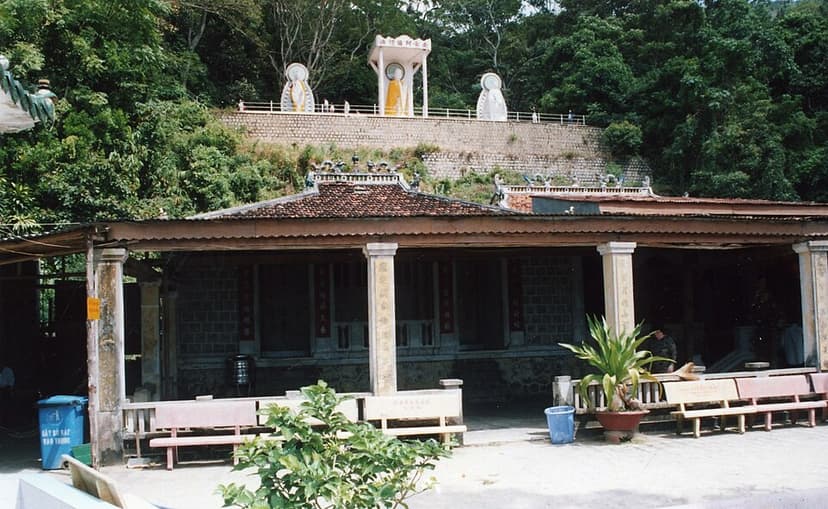
Tà Cú Pagoda is a Buddhist temple located on Tà Cú mountain in Bình Thuận Province, Vietnam. It is most notably home to the longest reclining Buddha statue in Vietnam, a significant work of art and a popular tourist attraction.