
Green Gulch Farm
Green Gulch Farm Zen Center, also known as Sōryu-ji (Green Dragon Temple), is a Soto Zen practice center near Muir Beach, California, established in 1972. It serves as a residential monastery and retreat center, offering Zen training alongside organic farming and gardening workshops, and is recognized for its model of living on the land in conjunction with Buddhist practice.
Key Facts
- ›Founded in 1972 by the San Francisco Zen Center and Zentatsu Richard Baker.
- ›Practices in the lineage of Shunryu Suzuki.
- ›Manages a 7-8 acre organic vegetable farm and a 1-1.5 acre fruit, herb, and flower garden.
- ›The gardens were designed in part by horticulturist Alan Chadwick, who introduced biodynamic farming techniques.
- ›Features a residential monastery, retreat center, guest houses, and a conference center.
- ›Offers workshops and classes on Zen practice, Japanese tea ceremony, and gardening.
Important Relationships
- Shunryu Suzuki (lineage holder)
- Zentatsu Richard Baker (founder)
- San Francisco Zen Center (founding organization)
- Alan Chadwick (horticulturist)
- Sim Van der Ryn (architect)
- George Wheelwright (former landowner)
Organic Farm and Gardens, Stupa Marking Alan Chadwick's Grave, Lindisfarne Guest House, Wheelwright Center, Mountain Gate Study Center
- Purchase of the Farm Area In Spring 1972.
- Construction of the Zendo From A Converted Hay Barn.
- Development of the First Composting Toilet By Sim Van Der Ryn In 1974.
About Green Gulch Farm
Green Gulch Farm Zen Center
Green Gulch Farm Zen Center, also known by its Japanese name Sōryu-ji (Green Dragon Temple), is a prominent Soto Zen practice center situated near Muir Beach, California. Established in 1972 by the San Francisco Zen Center and Zentatsu Richard Baker, the center is dedicated to Zen training and communal living, drawing from the lineage of Shunryu Suzuki.
History and Philosophy
The foundation of Green Gulch Farm was inspired by Shunryu Suzuki's wish for a place where lay practitioners could live communally. Zentatsu Richard Baker identified the Green Gulch area as an ideal location for this vision. The 115-acre site was purchased in 1972 with a commitment to remaining open to the public and engaging in agricultural awareness. Early community efforts focused on converting a hay barn into a zendo, maintaining the land, and constructing housing.
The center places a strong emphasis on environmental stewardship, believing that humans must protect nature. This philosophy is deeply integrated into their practice and daily life. A significant development in this regard was the creation of the first composting toilet by architect Sim Van der Ryn in 1974, a project built by David Chadwick and Ken Sawyer, which promoted water conservation and personal responsibility for waste.
Farming and Gardens
Green Gulch Farm operates a substantial organic vegetable farm of 7 to 8 acres, which sustains the resident community and supplies produce to local markets and restaurants, including Greens Restaurant in San Francisco. Complementing the farm is a 1 to 1.5-acre fruit, herb, and flower garden. This garden is designed in distinct 'rooms' with a formal English style, featuring an herbal circle at its core, enclosed by a yew hedge and adorned with rose arbors, paths, a Japanese snowbell tree, herbs, and lichen-covered rocks.
Programs and Community
The center hosts a residential monastery and retreat facilities, guest houses, and a conference center. It offers a variety of workshops and classes throughout the year, covering topics such as Zen meditation (zazen), the Japanese tea ceremony, gardening, pruning, flower arrangement, and herb cultivation. An apprenticeship program for organic farmers is also offered during the summer months.
Public access is encouraged, with Sunday gatherings including zazen, lectures, tea, and lunch. The gardens and nursery are accessible daily. Guest accommodations include the Lindisfarne Guest House, an octagonal structure designed for reading and conversation, and the Wheelwright Center, which provides larger living spaces suitable for families.
Environmental Initiatives
Green Gulch Farm has also engaged in collaborative environmental projects. As of 2006, plans were in place to partner with the National Park Service to restore Muir Beach, including the removal of a parking lot to return the former wetland area to its original condition. The center's integration of Zen practice with sustainable living and ecological awareness, as noted by Fenton Johnson, positions it as a model for living on the land.
Source: Wikipedia ↗
Frequently Asked Questions
When was Green Gulch Farm Zen Center founded?
Green Gulch Farm Zen Center was founded in the spring of 1972. The land was purchased from rancher George Wheelwright.
What is the significance of Green Gulch Farm's gardens?
The gardens at Green Gulch Farm were influenced by horticulturist Alan Chadwick, who introduced biodynamic farming techniques. The fruit, herb, and flower garden is notably arranged in a formal English style with distinct 'rooms'.
What kind of programs does Green Gulch Farm offer?
In addition to its Zen training program, Green Gulch Farm offers workshops and classes on the Japanese tea ceremony and gardening. It also has an apprenticeship program for aspiring organic farmers.
What is Green Gulch Farm's connection to environmentalism?
Green Gulch Farm is deeply concerned with the effects of human activity on nature and bases its philosophy on protecting the environment. Architect Sim Van der Ryn created one of the first composting toilets there in 1974.
Can the public visit Green Gulch Farm?
Yes, Green Gulch Farm opens to the public every Sunday for zazen, lectures, tea, and lunch, with suggested donations. The nursery and gardens are open seven days a week.
Related Buddhist Temples
Daihonzan Chozen-ji
Daihonzan Chozen-ji is a Rinzai Zen temple established in 1972 in Kalihi Valley, Oahu, Hawaii, by Omori Sogen and Tenshin Tanouye. It is notable as the first Rinzai headquarters temple established outside of Japan, integrating meditation with martial and fine arts in its spiritual training.
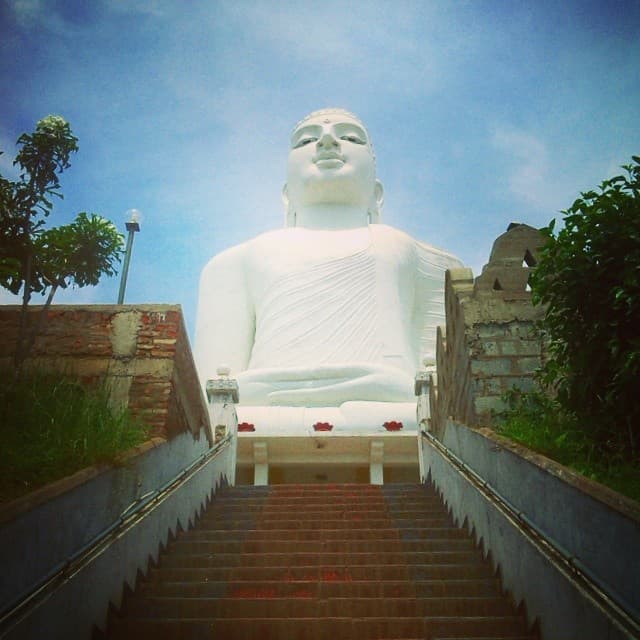
Sri Maha Bodhi Viharaya
Sri Maha Bodhi Viharaya is a Theravada Buddhist temple situated in Kandy, Sri Lanka, renowned for its towering Buddha statue. Established in the early 1970s, the temple faced early opposition but eventually gained legal recognition and has since become a significant landmark and tourist attraction.

Sonoma Mountain Zen Center
Sonoma Mountain Zen Center, also known as Genjoji, is a Soto Zen practice center situated on 80 acres in Sonoma County, California. It was founded in 1973 by Jakusho Kwong and his wife Laura Kwong, continuing the lineage of Shunryu Suzuki. The center serves as a hub for residential training, retreats, and offers practice opportunities for both residents and non-residents.