
Fo Guang Shan Monastery
Fo Guang Shan Monastery, located in Dashu District, Kaohsiung, Taiwan, is the headquarters of the international Fo Guang Shan organization and the largest Buddhist monastery in Taiwan. Founded in 1967 by Hsing Yun, it has grown into a significant center for Mahayana Buddhism, known for its extensive campus, large-scale construction projects, and unique system of electing its abbot.
Key Facts
- ›Founded in 1967 by Hsing Yun.
- ›It is the largest Buddhist monastery in Taiwan and headquarters of the Fo Guang Shan international organization.
- ›The campus includes a main shrine, the Great Compassion Shrine, and the Patriarch Shrine, which houses Hsing Yun's relics.
- ›Features a 36-meter tall statue of Amitābha Buddha consecrated in 1975.
- ›The monastery has a unique system of directly electing its abbot through a public vote by all members.
- ›Hosted the First International Dialogue for Buddhist and Christian Nuns in 2018.

Important Relationships
- Hsing Yun (founder)
- Fo Guang Shan Buddha Museum
- 36-Meter Tall Statue of AmitāBha Buddha
- Great Hero Hall
- Main Shrine
- Great Buddha
- Great Compassion Shrine With Statue of Guan Yin
- Patriarch Shrine
- Groundbreaking Ceremony Held On May 16, 1967.
- Consecration of the 36-Meter Tall Statue of AmitāBha Buddha In 1975.
- Great Hero Hall Built In 1981.
- Mountain Gate Closed To the Public In May 1997.
- Mountain Gate Reopened To Some Extent At the End of 2000.
- Hosted the First International Dialogue For Buddhist and Christian Nuns From October 14-19, 2018.
Chinese Mahayana Buddhist
About Fo Guang Shan Monastery
Fo Guang Shan Monastery (佛光山寺), also known as Buddha's Light Mountain Monastery, is a prominent Mahāyāna Buddhist monastery situated in the Dashu District of Kaohsiung, Taiwan. It serves as the international headquarters for the Fo Guang Shan organization and stands as the largest Buddhist monastery in Taiwan. The monastery was founded in 1967 by the Venerable Master Hsing Yun, who purchased over 30 hectares of land for its establishment. The groundbreaking ceremony took place on May 16, 1967.
History and Development
Since its inception, Fo Guang Shan has been the site of numerous construction projects, including university buildings, shrines, and a cemetery. A significant milestone was the consecration of its 36-meter tall statue of Amitābha Buddha in 1975. The Great Hero Hall was completed in 1981, fifteen years after the monastery's establishment. During these periods, many other Fo Guang Shan temples were also constructed beyond the main monastery.
In May 1997, Hsing Yun announced the closure of the monastery's gates to the general public, aiming to foster a more cloistered atmosphere conducive to Buddhist practice for the resident monastics. This practice is common in many Chinese monasteries. However, in response to requests from constituents and government officials, Fo Guang Shan decided to partially reopen the monastery at the end of 2000, offering the public an accessible space for practicing Pure Land Buddhism.
More recently, in October 2018, Fo Guang Shan Monastery hosted the First International Dialogue for Buddhist and Christian Nuns. This event, organized in collaboration with several religious and interreligious bodies, brought together 70 nuns under the theme of "Active Contemplation and Contemplation in Action."
Campus and Features
The main shrine of Fo Guang Shan is a substantial structure with an area of 3570 square meters and a height of 30 meters, capable of housing up to one thousand people. Within the shrine are three Buddha statues, each standing 7.8 meters high. Adjacent to the Great Wisdom Shrine is the Great Buddha, a striking 36-meter tall standing Buddha, noted as the highest in Southeast Asia. The interior walls of this structure are covered with Dunhuang-style stone niches, enshrining 14,800 smaller statues of Sakyamuni Buddha.
The Great Compassion Shrine (Dàbēi diàn) covers 800 square meters and stands 6 meters high, featuring a 6-meter statue of Guan Yin. The Patriarch Shrine (Zōngzǔ diàn) functions as a memorial hall for Hsing Yun, preserving his archive of written works and serving as the final resting place for his relics. This shrine also houses the Sutra Repository (Cáng jīng lóu), which contains over 50 copies of the Tripiṭaka.
To the north of the monastery lies the campus of the associated Fo Guang Shan Buddha Museum. This museum features its own imposing "Big Buddha" (Fóguāng dàfó), constructed from 1,800 tons of metal and measuring 40 meters in height.
Governance and Leadership
Fo Guang Shan employs a distinctive approach to selecting its leadership. Unlike traditional Mahayana monasteries where an abbot typically designates a successor, Fo Guang Shan directly elects its abbot through a public vote by all members. The abbot leads the Order and its worldwide temple branches, chairs the Religious Affairs Committee, and serves a six-year term, with provisions for reappointment. Following election, the abbot-elect adopts an "inner name" starting with "Hsin" (heart) before their inauguration through a dharma transmission ceremony.
Venerable Master Hsing Yun is noted as the only abbot to have served more than two terms, and his succession was not through the usual election process, as he designated his heir apparent, Venerable Hsin Ping. Following Hsin Ping's passing, Hsin Ting was elevated to complete Hsin Ping's term. Since then, abbots have been elected in accordance with the Fo Guang Shan constitution.
Former abbots do not leave the order upon retirement; they continue to deliver Dharma talks globally and serve as senior teachers within the organization.
Source: Wikipedia ↗
Frequently Asked Questions
When was Fo Guang Shan Monastery founded?
Fo Guang Shan Monastery was founded in 1967 by Hsing Yun. The groundbreaking ceremony for its construction took place on May 16, 1967.
What are the notable features of Fo Guang Shan Monastery's campus?
The campus is extensive and includes a main shrine that can house up to a thousand people, featuring three 7.8-meter high Buddha statues. It also has the Great Compassion Shrine with a 6-meter high statue of Guan Yin, and the Patriarch Shrine which serves as a memorial hall for Hsing Yun and houses his relics.
How is the abbot of Fo Guang Shan Monastery chosen?
Unlike traditional Mahayana monasteries, Fo Guang Shan directly elects its abbot through a public vote by all members of the organization. The abbot serves a term of six years and can be reappointed.
What is the significance of the Great Buddha at Fo Guang Shan?
The Great Buddha, located on the eastern side of the monastery, stands 36 meters tall and is described as the highest standing Buddha in Southeast Asia. Its interior walls are adorned with 14,800 statues of Sakyamuni Buddha in Dunhuang style.
Has Fo Guang Shan Monastery always been open to the public?
In May 1997, Hsing Yun announced the closure of the mountain gate to the general public to provide a cloistered atmosphere for monastics. However, Fo Guang Shan decided to reopen the monastery to some extent at the end of 2000, offering the public a place to practice Pure Land Buddhism.
Related Buddhist Temples

Kek Look Seah Temple
Kek Look Seah Temple, meaning "Sukhāvatī Society" in Hokkien, is a Mahāyāna Buddhist temple in Ipoh, Malaysia. Established in 1960, it is distinctive for its practice of planchette divination and offering traditional Chinese medicine treatments, which often leads to it being mistakenly identified as a Dejiao establishment.
Mahāyāna
Mahāyāna, meaning "Great Vehicle" in Sanskrit, is the largest branch of Buddhism, encompassing diverse traditions, philosophies, and practices that originated in ancient India around the 1st century BCE. It distinguishes itself by recognizing additional scriptures beyond early Buddhism and emphasizing the bodhisattva ideal, where practitioners vow to achieve enlightenment for the benefit of all sentient beings.
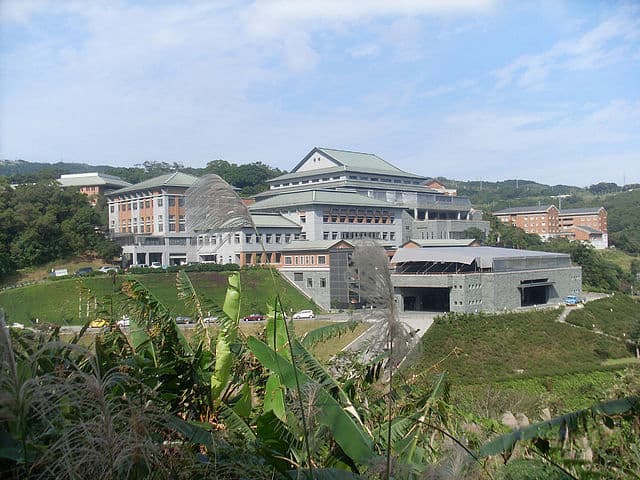
Dharma Drum Mountain
Dharma Drum Mountain (DDM) is an international Buddhist spiritual, cultural, and educational foundation established by the late Chan master Sheng-yen. Its international headquarters are located in Jinshan District, New Taipei City, Taiwan, and it is recognized as one of the most influential Buddhist organizations in Chinese Buddhism. DDM's core mission is to educate the public in Buddhist principles with the aim of improving the world and establishing a "Pure Land on Earth."