
Atlanta Soto Zen Center
The Atlanta Soto Zen Center (ASZC) is a Soto Zen practice center established in 1977. It serves as a primary training hub for the Mokurai Silent Thunder Order, an organization with affiliated centers across the United States and Canada. The ASZC is recognized by the Soto Zen Buddhist Association.
Key Facts
- ›Founded in 1977 by Zenkai Taiun Michael Elliston-sensei.
- ›Serves as the main training center for the Mokurai Silent Thunder Order.
- ›Recognized by the Soto Zen Buddhist Association.
- ›Affiliate centers are located throughout the United States and Canada.
- ›Zenkai Taiun Michael Elliston is a dharma heir of Soyu Matsuoka.
- ›Rev. Elliston also received transmission in the Uchiyama lineage through Shohaku Okumura.
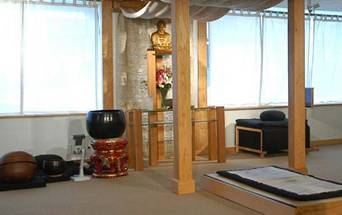
Important Relationships
- Mokurai Silent Thunder Order
- Soto Zen Buddhist Association
- Soyu Matsuoka
- Shohaku Okumura
About Atlanta Soto Zen Center
The Atlanta Soto Zen Center (ASZC) is a significant Soto Zen practice and training center located in Atlanta, Georgia. Founded in 1977 by Zenkai Taiun Michael Elliston-sensei, the ASZC has become a central hub for Soto Zen practice in the region.
History and Affiliation
Zenkai Taiun Michael Elliston-sensei, the guiding teacher of the Mokurai Silent Thunder Order, established the Atlanta Soto Zen Center. He received dharma transmission from the late Soyu Matsuoka and also obtained transmission within the Uchiyama lineage from roshi Shohaku Okumura. The ASZC is officially recognized by the Soto Zen Buddhist Association, which is a testament to its adherence to the principles and practices of Soto Zen Buddhism. The center serves as the primary training ground for the Mokurai Silent Thunder Order, an organization that extends its reach with affiliate centers situated throughout the United States and Canada, fostering a broader community of practitioners.
Role and Significance
As the main training center for the Mokurai Silent Thunder Order, the Atlanta Soto Zen Center plays a crucial role in the education and development of Zen practitioners. Its recognition by the Soto Zen Buddhist Association further solidifies its position within the broader Zen Buddhist landscape in North America. The existence of affiliate centers across the continent highlights the center's influence and its contribution to the dissemination of Soto Zen teachings and practices.
Source: Wikipedia ↗
Frequently Asked Questions
When was the Atlanta Soto Zen Center founded?
The Atlanta Soto Zen Center was founded in 1977. It was established by Zenkai Taiun Michael Elliston-sensei.
Who founded the Atlanta Soto Zen Center?
The center was founded by Zenkai Taiun Michael Elliston-sensei. He is a dharma heir of the late Soyu Matsuoka and guiding teacher of the Mokurai Silent Thunder Order.
What is the significance of the Atlanta Soto Zen Center?
It is recognized by the Soto Zen Buddhist Association and serves as the main training center for the Mokurai Silent Thunder Order. This order has affiliate centers across the United States and Canada.
What Buddhist tradition is the Atlanta Soto Zen Center associated with?
The Atlanta Soto Zen Center is a Soto Zen practice center. It follows the Soto Zen tradition.
Related Buddhist Temples
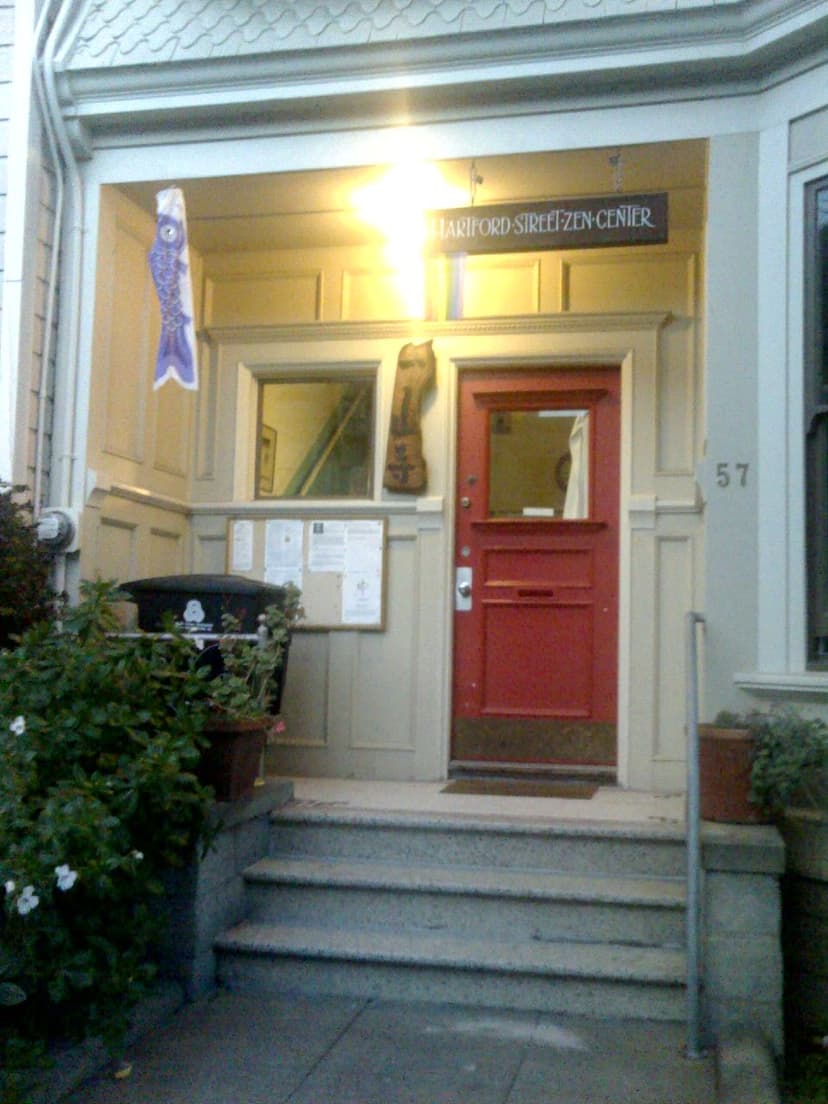
Hartford Street Zen Center
The Hartford Street Zen Center, also known by its temple name Issan-ji, is a Soto Zen practice center located in San Francisco's Castro district. It holds historical significance as the site of the first Buddhist hospice in the United States, Maitri Hospice, established to care for individuals dying of AIDS.
Zenshuji Soto Mission
Zenshuji Soto Mission, established in 1922 in Los Angeles, California, holds the distinction of being the first Soto Zen Buddhist temple in North America. It currently serves as the North American headquarters for Soto Zen, operating as a direct branch of Eiheiji and Sojiji, the two principal temples in Japan.
Hazy Moon Zen Center
The Hazy Moon Zen Center is a Soto Zen Buddhist practice center located in Los Angeles, California. Founded in 1996 by William Nyogen Yeo Roshi, it serves as a place for public zazen practice, Dharma talks, and intensive retreats.