
St Helen's Basilica
Malta·Birkirkara
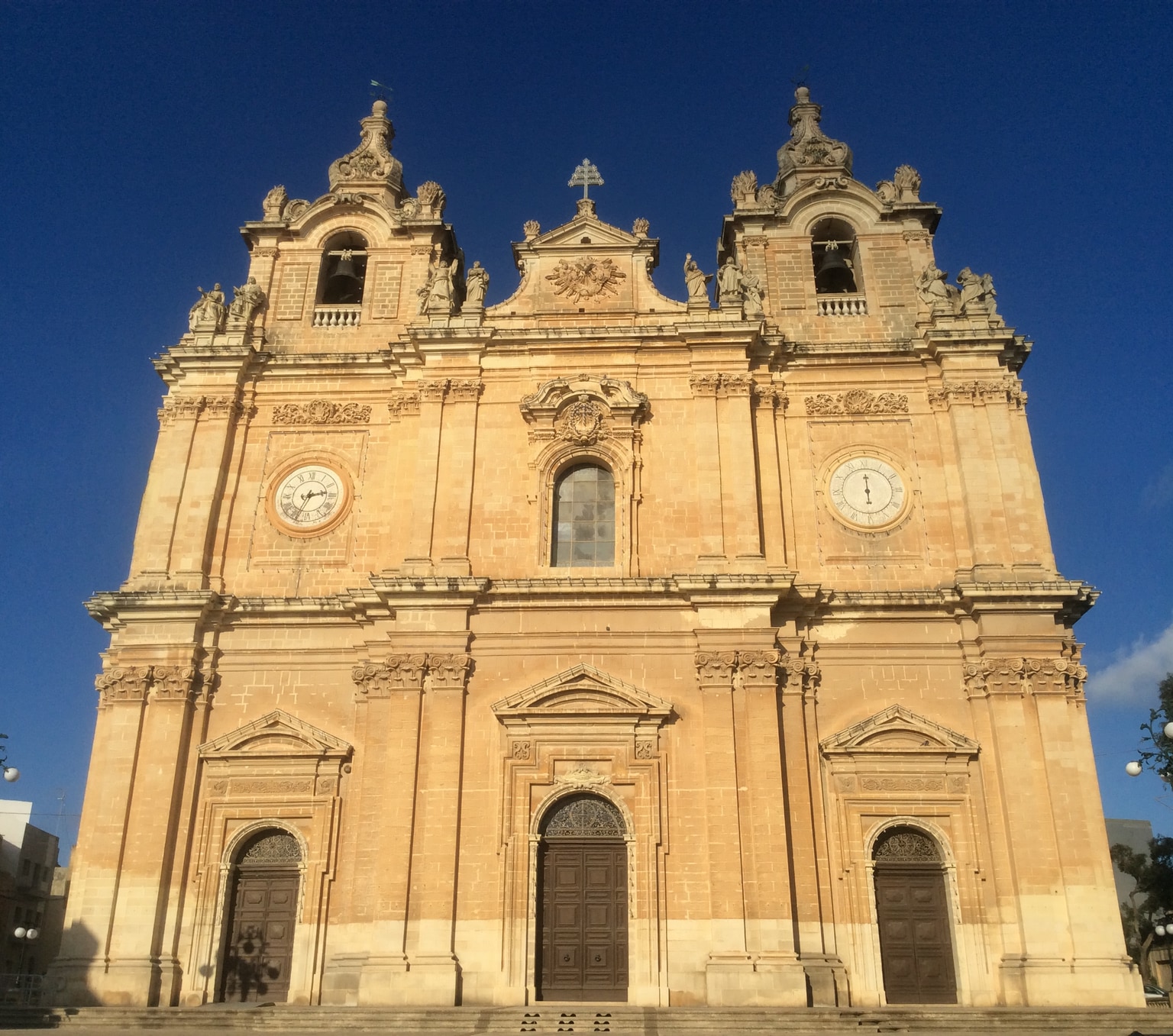
St Helen's Basilica is an 18th-century Roman Catholic church located in Birkirkara, Malta. Designed in a Baroque style by Salvu Borg, it was built to replace older churches on the site and eventually became a Minor Basilica. The church is notable for housing Malta's largest church bell.
Key Facts
- ›Construction of the current St Helen's Basilica began on April 27, 1727.
- ›The church was blessed on April 19, 1771, and consecrated on October 20, 1782.
- ›It was elevated to the dignity of a Minor Basilica on January 18, 1950, by Pope Pius XII.
- ›The design is by Salvu Borg and was inspired by the Mdina Cathedral.
- ›The church houses Malta's largest church bell, installed around 1932.
- ›Birkirkara was one of the 12 Maltese parishes existing in 1436.
Baroque
Helen
Salvu Borg, Domenico Cachia
About St Helen's Basilica
St Helen's Basilica, known in Maltese as Il-Bażilika ta' Sant' Elena, is a significant Roman Catholic church located in Birkirkara, Malta. This 18th-century edifice is a prime example of Baroque architecture, designed by Salvu Borg and constructed by Mason Domenico Cachia, with its design echoing that of the Mdina Cathedral by Lorenzo Gafa.
History and Significance
The origins of St Helen's Basilica are rooted in the long history of Birkirkara as a parish. Birkirkara was already recognized as one of Malta's 12 ancient parishes by 1436. The site of the current basilica has been occupied by successive churches, with a church dedicated to the Assumption rebuilt in 1692. The 17th-century church was later demolished to make way for the present St. Helen's Church, which incorporated a small chapel to the Assumption.
The cornerstone of the present church was laid on April 27, 1727, by Bishop Gaspare Gori-Mancini. The church was officially blessed on April 19, 1771, by Bishop Paul Alphéran de Bussan, and subsequently consecrated by Bishop Vincenzo Labini on October 20, 1782. Its importance was further recognized when Pope Pius XII elevated it to the dignity of a Minor Basilica on January 18, 1950.
Architectural Features and Notable Elements
The basilica's Baroque design is a key feature, with its scale significantly larger than the previous three churches on the site. A donation of garden space from Vincenzo Borg's townhouse facilitated the construction of the church's front, stairs, and main square. Vincenzo Borg himself was buried in the church's crypt.
Beyond its architectural merit, St Helen's Basilica is renowned for housing Malta's largest church bell, which was installed around 1932. The church became the parish church soon after its completion and was later designated a basilica, underscoring its continued religious and community importance.
Source: Wikipedia ↗
Frequently Asked Questions
Where is St Helen's Basilica located?
St Helen's Basilica is situated in Birkirkara, Malta. It is a prominent Roman Catholic church in the heart of the town.
What is the architectural style of St Helen's Basilica?
The basilica is built in the Baroque style, with its design by Salvu Borg drawing inspiration from the Mdina Cathedral.
When was St Helen's Basilica consecrated?
The church was consecrated by Bishop Vincenzo Labini on October 20, 1782. It was blessed earlier that year on April 19, 1771.
What is the significance of St Helen's Basilica?
It is a Minor Basilica, a title bestowed by Pope Pius XII in 1950. The church is also known for housing Malta's largest church bell and is a central part of the Birkirkara parish.
What is the history of the site where St Helen's Basilica stands?
The current church was built on the site of several older churches, with the earliest parish records for Birkirkara dating back to 1436. A church dedicated to the Assumption was rebuilt in 1692 before the present St. Helen's Church was constructed in the 18th century.
Related Basilicas

Basilica of Christ the King
The Basilica of Christ the King is a Roman Catholic parish church located in Paola, Malta, serving the parish established in 1910. It was consecrated in 1967 and later elevated to the status of a minor basilica in 2020. The current structure replaced the older 17th-century St Ubaldesca Church, with construction beginning in 1924.
Basilica of SS Peter and Paul
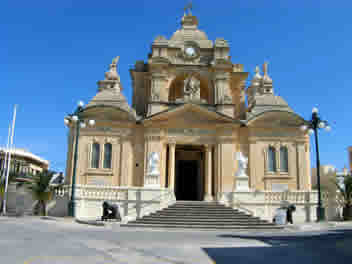
The Basilica of SS Peter and Paul is a Roman Catholic minor basilica and parish church situated in Nadur, Gozo, Malta. Its construction spanned over a century, with significant embellishments in the early 20th century reflecting Italian Renaissance design, making it one of the most beautiful churches on the island.
Basilica of St Dominic
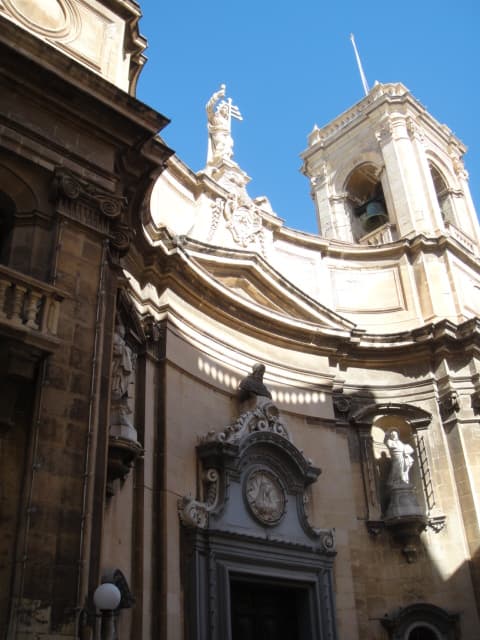
The Basilica of St Dominic, also known as the Basilica of Our Lady of Safe Haven and St Dominic, is a significant parish church in Valletta, Malta. Administered by the Dominican Order, its construction began in 1571, and it was later elevated to the status of a Minor Basilica in 1816, underscoring its religious importance in the city.