
Royal Basilica of Our Lady of the Forlorn
The Royal Basilica of Our Lady of the Forlorn, also known as Marikina Church, is a significant Roman Catholic church in Marikina, Philippines. It is renowned for enshrining a miraculous Marian image that has received a pontifical decree of coronation and for hosting one of Metro Manila's longest Holy Week processions.
Key Facts
- ›The church's history is marked by a religious controversy between the Jesuits and Augustinians over ecclesiastical control of the area.
- ›Construction of the present structure began in 1687 on higher ground after the original visita was deemed flood-prone.
- ›The church was made an independent parish in 1690 and has undergone restorations after damage during the Philippine-American War and World War II.
- ›It was consecrated as a diocesan shrine on August 5, 2007, in honor of our Lady under the title Maria, Inang Mapag-Ampon ng Marikina, Nuestra Señora de los Desamparados.
- ›The church is known for its Baroque architectural style, featuring a fortified facade and large-scale ceiling paintings.
- ›The venerated Marian image received a decree of canonical coronation from Pope Benedict XVI in 2005.
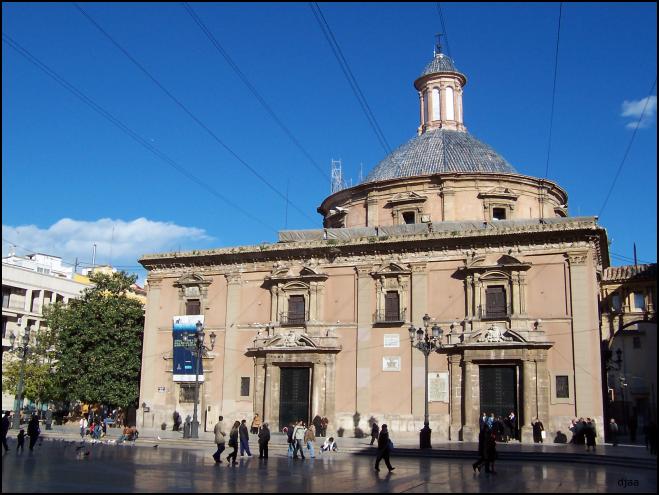
Baroque
Our Lady of the Abandoned
Miraculous Marian Image
Augustinians
About Royal Basilica of Our Lady of the Forlorn
The Royal Basilica of Our Lady of the Forlorn, commonly referred to as Marikina Church, stands as a significant religious edifice in Marikina, Philippines. Its history is intertwined with the early religious landscape of the region, marked by disputes between the Jesuits and Augustinians for ecclesiastical oversight.
History and Construction
The origins of Catholicism in Marikina trace back to the Augustinians' assumption of control from the Jesuits. In 1687, a pivotal decision was made to transfer operations to higher ground, leading to the construction of the present church structure. This move was necessitated by the flooding of the original visita, Jesús de la Peña, during the rainy season. The church was formally established as an independent parish in 1690. Over the centuries, Marikina Church has faced significant challenges, including damage during the Philippine-American War and the complete destruction of its carillon during World War II. Subsequent restorations, notably in 1957 by Father Silvestre dela Cruz, have preserved its heritage.
Architectural Significance
The church is a notable example of Baroque architecture. Its design is characterized by a robust, fortified facade, expansive ceiling paintings that create a dramatic visual effect, and an opulent integration of painting and architectural elements. The original construction in 1572 by Augustinian friars utilized more rudimentary materials like bamboo and leaves before the more permanent construction began.
Venerated Marian Image and Devotion
A key aspect of the church's religious importance is the venerated image of the Madonna and Child, known as Our Lady of the Abandoned (Nuestra Señora de los Desamparados). This image has been the subject of deep devotion and has received a pontifical decree of canonical coronation from Pope Benedict XVI on April 22, 2005. The church was consecrated by the Archdiocese of Manila in 1791 to ensure its perpetual dedication to religious purposes. The original image was lost during the Philippine-American War, with a new one created in 1902, which is the one presently venerated.
Modern Significance
Beyond its historical and architectural merits, Marikina Church is recognized for its significant role in contemporary religious practices. It hosts one of the longest Holy Week processions in Metro Manila, featuring a substantial number of floats. On August 5, 2007, the church was consecrated as a diocesan shrine, further solidifying its status as a center of Marian devotion in the Philippines.
Source: Wikipedia ↗
Frequently Asked Questions
What is the history of Marikina Church?
Catholicism in Marikina began with the Augustinians taking over from the Jesuits. The current church structure was built starting in 1687 on higher ground to avoid flooding, and it became an independent parish in 1690. It has endured damage from wars and has been restored.
What is the architectural style of Marikina Church?
The church is constructed in the Baroque style. This style is evident in its heavily fortified facade, large ceiling paintings, and a dramatic central projection.
What is significant about the Marian image at Marikina Church?
The church enshrines an image of the Madonna and Child venerated as miraculous. This image received a pontifical decree of canonical coronation from Pope Benedict XVI in 2005, signifying its special religious importance.
What is the church's role in Holy Week?
Marikina Church is known for hosting Metro Manila's longest Holy Week processions. As of 2023, it featured around 87 floats, making it a significant site for religious observances during this period.
When was Marikina Church consecrated as a diocesan shrine?
The Parish Church of Our Lady of the Abandoned was consecrated as a diocesan shrine on August 5, 2007. This consecration honored Our Lady under the title Maria, Inang Mapag-Ampon ng Marikina, Nuestra Señora de los Desamparados.
Related Basilicas
Basilica and Diocesan Shrine of Saint Paul of the Cross
The Minor Basilica and Diocesan Shrine of Saint Paul of the Cross in Marikina, Metro Manila, Philippines, is a significant Roman Catholic church. Established as a parish in 1975 and later elevated to a diocesan shrine in 2021, it holds the distinction of being the oldest church in the Philippines dedicated to Saint Paul of the Cross. Its elevation to the status of a Minor Basilica by Pope Leo XIV in 2025 further underscores its importance.

Basilica and Archdiocesan Shrine of Santo Niño de Tondo
The Minor Basilica of Santo Niño de Tondo, also known as the Archdiocesan Shrine of Santo Niño de Tondo Parish, is a significant Roman Catholic minor basilica located in Tondo, Manila, Philippines. Established by the Augustinian Order, it is dedicated to the Child Jesus and houses an ivory image of the Santo Niño that arrived from Acapulco, Mexico. Its elevation to minor basilica status by Pope Leo XIV in 2025 marks a key moment in its long history.

Basilica del Santo Niño
The Basilica Minore del Santo Niño de Cebú, commonly known as the Santo Niño Basilica, is a significant Catholic minor basilica located in Cebu City, Philippines. Founded in 1565 by Augustinian friars, it is recognized as the oldest church in the Philippines. The basilica holds immense religious importance as it is believed to be built on the site where the revered image of the Santo Niño de Cebú, the Child Jesus, was rediscovered.