
Our Lady of Luján National Basilica
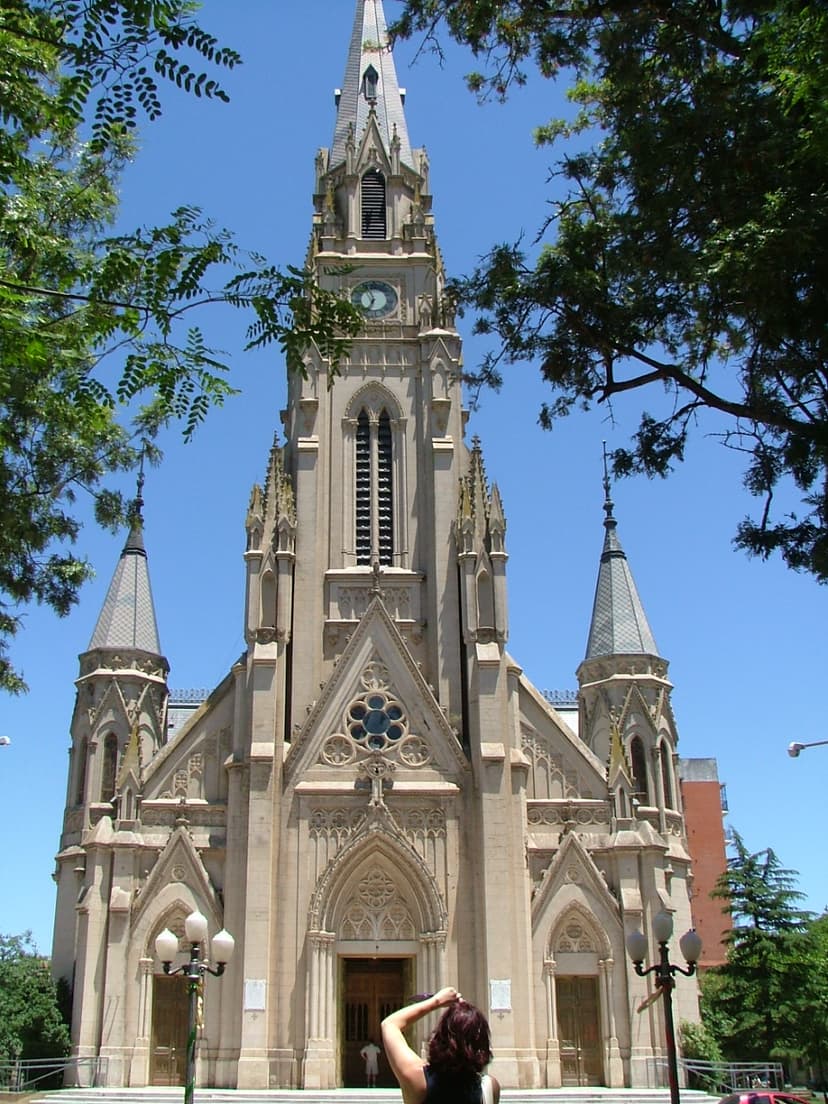
The National Basilica of Our Lady of Luján is a prominent Catholic church located in Luján, Buenos Aires, Argentina. Dedicated to Our Lady of Luján, the patron saint of Argentina, it is a significant pilgrimage site, hosting an annual event that draws thousands of faithful. The basilica is a testament to Neogothic architecture, constructed over several decades in the late 19th and early 20th centuries.
Key Facts
- ›Construction of the basilica began in 1890 and concluded in 1935.
- ›It was consecrated in 1910, 25 years before its completion.
- ›The basilica was officially declared a basilica by Pope Pius XII in 1930.
- ›It is the central site for the annual our Lady of Luján pilgrimage, a tradition dating back nearly 150 years.
- ›The basilica was designated a National Historic Monument by the Argentine government in 1999.
- ›Pope John Paul II visited the basilica in 1982, bestowing upon it a Blessed Golden Rose.

Neogothic
Golden Rose
Ulrico Curtois
About Our Lady of Luján National Basilica
National Basilica of Our Lady of Luján
The National Basilica of Our Lady of Luján (Basílica Menor de Nuestra Señora de Luján) is a significant Catholic church located in the city of Luján, Buenos Aires, Argentina. It is dedicated to Our Lady of Luján, venerated as the patron saint of Argentina, and serves as a central point for religious devotion and pilgrimage.
History and Construction
The site has held religious importance since at least the 17th century, with a shrine established along the Luján River. The current basilica's construction was initiated by Jorge Salvaire in the late 19th century, following an experience he attributed to the intercession of Our Lady of Luján. Pope Leo XIII approved the project in 1887, and the foundation stone was laid on April 16, 1887. The architectural design, a matter of significant debate, ultimately favored a Gothic style, with construction led by French architect Ulrico Curtois. Funding came from the Archdiocese of La Plata and donations from lay members. The basilica was consecrated in 1910, though construction continued until its completion in 1935.
Religious Significance and Pilgrimage
The basilica is the focal point of the annual Our Lady of Luján pilgrimage, a tradition that began in 1871 and grew significantly in popularity following the construction of a rail line to Luján in 1900. This pilgrimage, which can attract thousands of attendees, involves a journey from Buenos Aires, culminating in a church service. Pope Leo XIII expressed support for the workers who participated in this pilgrimage. The basilica was officially declared a minor basilica by Pope Pius XII in 1930.
Notable Visits and Recognition
The basilica has been visited by prominent figures, including Juan Perón and Eva Perón, who participated in the pilgrimage to celebrate his presidential victory in 1946. In 1982, Pope John Paul II made the first papal visit to the basilica, bestowing a blessed Golden Rose. Jorge Bergoglio, prior to his election as Pope Francis, referred to Luján and its basilica as the "cradle of faith in our homeland." In recognition of its historical value, the basilica was designated a "Monumento Histórico Nacional" (National Historic Monument) by the Argentine government in 1999. In 2000, the basilica experienced damage when its metal crosses collapsed due to wear, but they were restored in 2005.
Source: Wikipedia ↗
Frequently Asked Questions
What is the National Basilica of Our Lady of Luján dedicated to?
The basilica is dedicated to Our Lady of Luján, who is recognized as the patron saint of Argentina. This devotion is central to the basilica's religious significance and the pilgrimages it hosts.
When was the basilica built?
Construction of the National Basilica of Our Lady of Luján took place between 1890 and 1935. The foundation stone was laid in 1887, and the building was consecrated in 1910, with final completion occurring in 1935.
Why is the basilica a significant pilgrimage site?
It is the focal point of the annual Our Lady of Luján pilgrimage, a nearly 150-year-old tradition that attracts thousands of pilgrims. This event underscores the basilica's importance in the religious life of Argentina.
What architectural style is the basilica?
The basilica is primarily built in the Neogothic style. This architectural choice was a result of a debate over the design, with proponents advocating for a Gothic style on the original worship site.
Has the basilica been visited by any Popes?
Yes, Pope John Paul II visited the National Basilica of Our Lady of Luján in 1982. During his visit, he presented the basilica with a blessed Golden Rose.
What is its status as a historical monument?
The basilica was recognized for its historical importance when it was listed as a 'Monumento Histórico Nacional' (National Historic Monument) by the Argentine government in 1999.
Related Basilicas
Cathedral Basilica of Our Lady of Mercies
The Cathedral Basilica of Our Lady of Mercies is a Catholic cathedral and minor basilica located in Mercedes, Buenos Aires Province, Argentina. Serving as the seat of the Archdiocese of Mercedes-Luján, it is a significant religious and historical landmark, built in the Gothic Revival style and declared a National Historic Landmark in 2010.

Cathedral Basilica of Our Lady of Lujan
The Cathedral Basilica of Florida, also known as the Catedral Basílica de Florida, serves as the principal Roman Catholic church in Florida, Uruguay, and has been the seat of the Roman Catholic Diocese of Florida since 1956. Originally a chapel dedicated to Our Lady of Luján, it was elevated to a parish church in 1805 before the current temple was constructed in 1887.

Cathedral Basilica of Our Lady of the Valley
The Catedral Basílica de Nuestra Señora del Valle, located in San Fernando del Valle de Catamarca, Argentina, is a significant religious edifice dedicated to the Virgen del Valle. Its architecture features a nave flanked by two chapels, adorned with marble mosaic floors and a Carrara marble altar, presenting a notable example of religious architecture in the region.