
National Expiatory Church of the Sacred Heart of Jesus of Tibidado
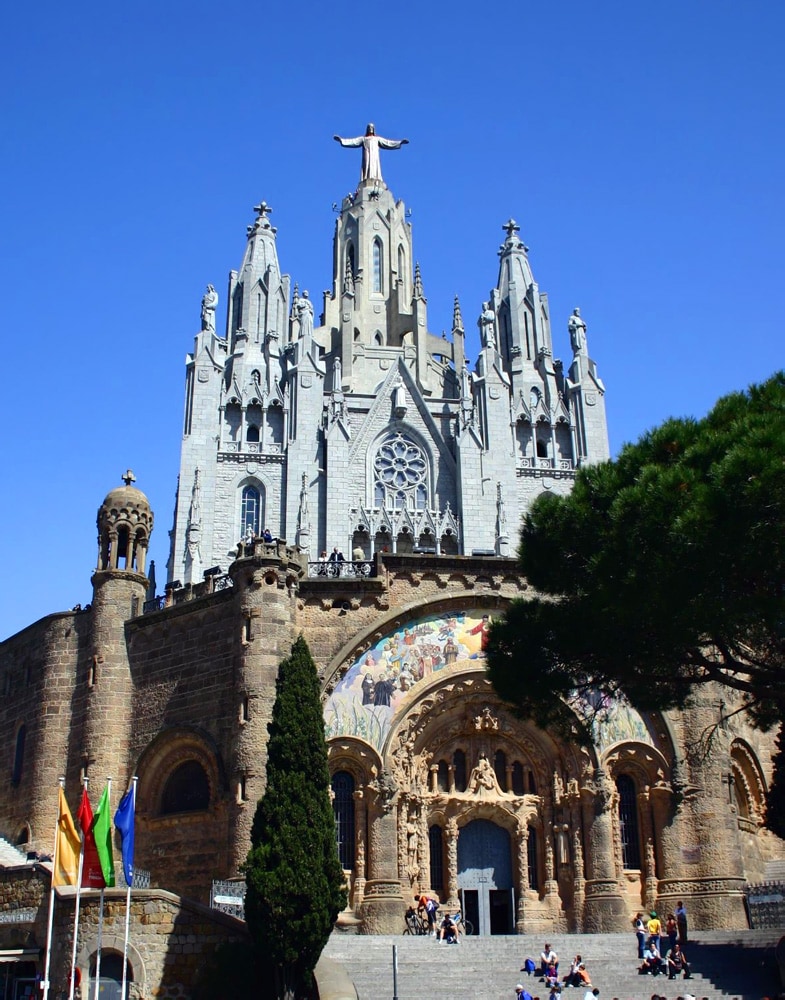
The National Expiatory Church of the Sacred Heart of Jesus of Tibidabo is a Roman Catholic church and minor basilica situated on the summit of Mount Tibidabo in Barcelona, Spain. Its construction, initiated in 1902 and completed in 1961, was a response to early concerns about non-Catholic developments on the mountain and was dedicated to the Sacred Heart of Jesus, a devotion popular at the time. The basilica is notable for its monumental neo-Gothic architecture atop a Romanesque crypt and its prominent bronze statue of the Sacred Heart.
Key Facts
- ›Construction spanned from 1902 to 1961, with the first stone laid in 1902.
- ›It was consecrated in 1952 during the 35th Eucharistic Congress in Barcelona.
- ›The church received the title of minor basilica from Pope John XXIII in 1961.
- ›Architect Enric Sagnier began the design, with his son Josep Maria Sagnier I Vidal completing the work.
- ›The basilica features a Romanesque crypt topped by a monumental neo-Gothic church.
- ›It is crowned by a large bronze statue of the Sacred Heart of Jesus.
Neo-Gothic, Romanesque, Neo-Byzantine
Enric Sagnier, Josep Maria Sagnier I Vidal
About National Expiatory Church of the Sacred Heart of Jesus of Tibidado
The National Expiatory Church of the Sacred Heart of Jesus of Tibidabo, known in Catalan as the Temple Expiatori del Sagrat Cor, is a significant Roman Catholic church and minor basilica located atop Mount Tibidabo in Barcelona, Spain. Its construction, initiated in 1902 and concluded in 1961, was driven by a desire to establish a Catholic presence on the mountain, spurred by rumors of non-Catholic developments. The church is dedicated to the Sacred Heart of Jesus, a devotion that gained considerable popularity in the late 19th and early 20th centuries.
History and Construction
The initial concept for a church on Tibidabo emerged in the late 19th century. A "Board of Catholic Knights" acquired the land and entrusted it to Saint John Bosco in 1886, fostering the idea of a building dedicated to the Sacred Heart. This initiative aligned with papal encouragement and the construction of similar churches in Rome and Paris. After initial delays, including considerations for an astronomical observatory, the first stone was laid on December 28, 1902. The crypt was completed between 1903 and 1911, and the main church was built from 1915 to 1951. The basilica was consecrated by Bishop Gregorio Modrego Casaus in 1952 and officially recognized as a minor basilica by Pope John XXIII on October 29, 1961, with all construction work concluding in 1961.
Architecture and Design
The basilica presents a striking visual contrast. Its foundation is a Romanesque fortress-like crypt constructed from Montjuïc stone, while the upper church is a monumental neo-Gothic structure. Access to the upper church is via two grand outdoor stairways. The interior of the main church features a nave and two aisles, semicircular apses, stained glass windows, and rose windows. The crypt, designed in a neo-Byzantine style with Gothic and classical influences and decoration akin to Modernisme, comprises five naves separated by columns, with walls and vaults adorned with alabaster and mosaics.
Notable Features
The church is crowned by an immense bronze statue of the Sacred Heart of Jesus, created by Josep Miret in 1950, which replaced an original work destroyed in 1936. The journey from the crypt through the church to the statue is conceived as a symbolic representation of the rise and purification of the human condition through sacrifice and atonement. The basilica's stained glass windows are a notable feature, depicting various saints, Marian devotions from around the world, and scenes from the life of Jesus, adding to its spiritual and artistic richness.
Source: Wikipedia ↗
Frequently Asked Questions
Where is the National Expiatory Church of the Sacred Heart of Jesus of Tibidabo located?
The basilica is situated on the summit of Mount Tibidabo in Barcelona, Catalonia, Spain. It offers panoramic views of the city and surrounding region from its elevated position.
When was the church built?
Construction of the church began in 1902 and was completed in 1961, a period of over fifty years. The crypt was built between 1903 and 1911, and the main church was constructed between 1915 and 1951.
What architectural styles are present in the church?
The basilica exhibits a combination of architectural styles. Its foundation is a Romanesque crypt, which is topped by a monumental neo-Gothic church. The interior also incorporates elements of neo-Byzantine style in the crypt.
What is the significance of the Sacred Heart statue?
The church is crowned by a large bronze statue of the Sacred Heart of Jesus. This statue replaced an earlier work destroyed in 1936 during the Spanish Civil War. The ascent from the crypt to the statue symbolizes the purification of the human condition through sacrifice and atonement.
Is this church a basilica?
Yes, the National Expiatory Church of the Sacred Heart of Jesus of Tibidabo is a minor basilica. It was officially granted this title by Pope John XXIII on October 29, 1961.
Related Basilicas

Basilica and Expiatory Church of the Holy Family
The Basilica and Expiatory Church of the Holy Family (Sagrada Família) is a Roman Catholic church in Barcelona, Spain, renowned for its complex and unique design by Antoni Gaudí. Construction began in 1882, and Gaudí dedicated his life to the project, transforming it with a blend of Gothic and Art Nouveau styles. It is the tallest church in the world, with its central tower reaching 172.5 meters, and parts of it have been designated a UNESCO World Heritage Site.
Basilica of the Purest Conception
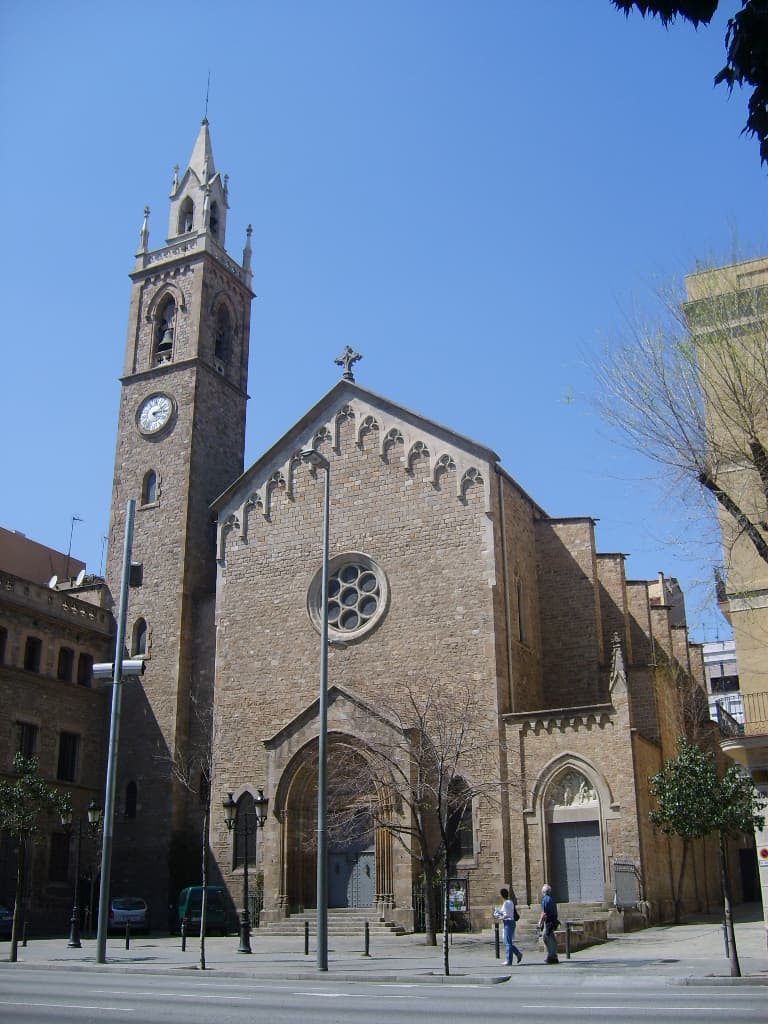
The Basilica of the Immaculate Conception and Assumption of Our Lady in Barcelona originated from the Jonqueres Monastery, which was relocated stone by stone to preserve its structure. It was later enhanced with a bell tower from another demolished church and a historicist rectory. Pope Benedict XVI designated it a minor basilica in 2009, making it the eighth basilica in Barcelona.
Basilica of St Joseph Oriol
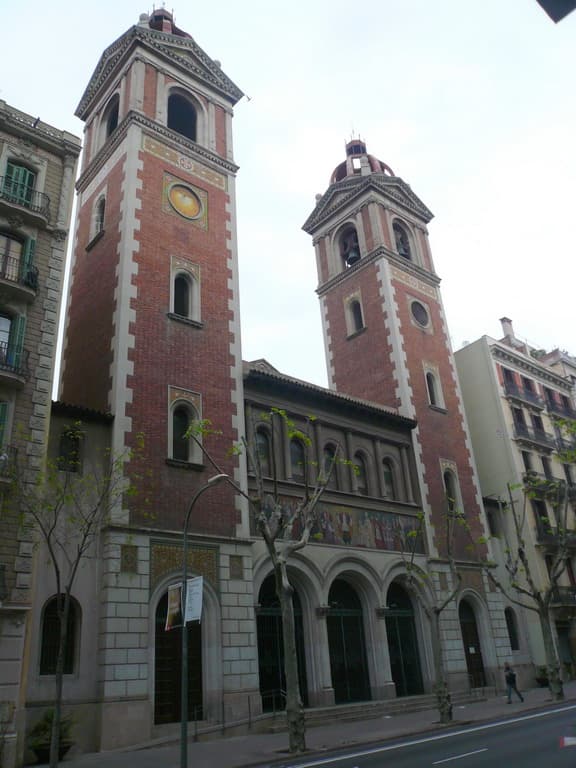
The Basilica of Saint Joseph Oriol is a Roman Catholic church located in Barcelona, Catalonia. It was granted the title of minor basilica by Pope Pius XI in 1936, making it the fifth church in Barcelona to receive this honor. The basilica has a history marked by both construction and significant damage and subsequent rebuilding.