
Cathedral Basilica of the Holy Saviour of Jujuy
Argentina·San Salvador de Jujuy·San Salvador de Jujuy
The Cathedral Basilica of the Holy Saviour of Jujuy is the principal church and seat of the Catholic bishopric of San Salvador de Jujuy, Argentina. It is a significant historic building, recognized as a National Historical Monument, and stands as a masterpiece of 18th-century Spanish colonial architecture. The cathedral holds historical importance as the site where the new Argentine flag was blessed in 1812.
Key Facts
- ›Declared a National Historical Monument by Decree no. 1347 on May 16, 1931.
- ›Considered a masterpiece of 18th-century Spanish colonial architecture.
- ›Construction of the present building began after the previous structures proved too fragile.
- ›Believed to have been consecrated and opened between 1761 and 1765.
- ›The new Argentine flag, created by Manuel Belgrano, was blessed in this cathedral on May 25, 1812.
- ›It houses the venerated image of our Lady of the Rosary of Paypaya and White River, declared Patron of the Armies of the North in 1812.

Spanish Colonial
Holy Saviour
- Our Lady of the Rosary of Paypaya and White River
About Cathedral Basilica of the Holy Saviour of Jujuy
The Cathedral Basilica of the Holy Saviour of Jujuy, also known as San Salvador de Jujuy Cathedral, serves as the principal church and the seat of the Catholic bishopric in the city of San Salvador de Jujuy, Argentina. This historic building is recognized as a National Historical Monument, a designation granted by Decree No. 1347 on May 16, 1931.
Architectural Significance and Construction
Considered a masterpiece of Spanish colonial style, the cathedral's current structure dates primarily from the eighteenth century. Previous religious buildings erected on the site were constructed with less durable materials and did not endure. By 1736, the last of these earlier structures was declared out of commission, leading to the construction of the building that stands today. While an exact date is not recorded, it is believed that the present edifice was consecrated and opened for use between 1761 and 1765. Minor modifications have been made to the cathedral in the late nineteenth and twentieth centuries.
Historical Importance
The Cathedral Basilica of the Holy Saviour of Jujuy holds a place of distinction in Argentine history. It was within its walls that the new Argentine flag, designed by Manuel Belgrano, was blessed on May 25, 1812. This event was followed by a public oath of loyalty to the flag by the city's troops and populace. This significant historical moment is commemorated by a painting by Luis De Servi, created for the centenary of the event and displayed on one of the cathedral's walls.
Religious Devotion
The cathedral is a center of religious devotion, most notably venerating Our Lady of the Rosary of Paypaya and White River. This revered image was declared the "Patron of the Armies of the North" in 1812, playing a symbolic role in the country's liberation struggle.
Source: Wikipedia ↗
Frequently Asked Questions
What is the significance of the Cathedral Basilica of the Holy Saviour of Jujuy?
The cathedral is the seat of the Catholic bishopric of San Salvador de Jujuy and is a National Historical Monument. It is particularly significant for being the site where the new Argentine flag was blessed in 1812, a pivotal moment in the country's history.
What architectural style is the Cathedral Basilica of the Holy Saviour of Jujuy?
The cathedral is recognized as a masterpiece of the Spanish colonial style of the eighteenth century. While minor modifications occurred in later centuries, its primary architectural character dates back to its 18th-century construction.
When was the Cathedral Basilica of the Holy Saviour of Jujuy built?
Construction of the present building took place after 1736, following the declaration of a previous religious building as out of commission. It is believed to have been consecrated and opened between 1761 and 1765.
What important religious image is venerated in the cathedral?
The cathedral venerates Our Lady of the Rosary of Paypaya and White River. This image was declared the "Patron of the Armies of the North" in 1812 and played a role in the liberation of the country.
Related Basilicas
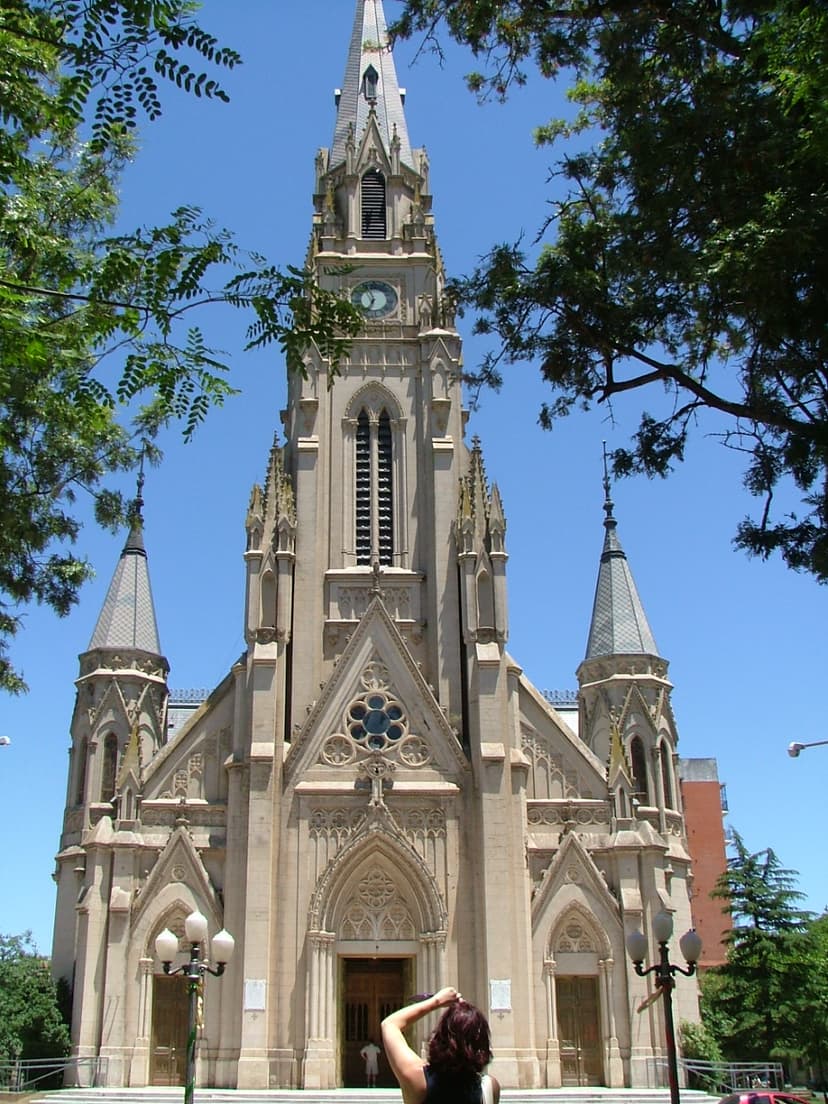
Cathedral Basilica of Our Lady of Mercies
The Cathedral Basilica of Our Lady of Mercies is a Catholic cathedral and minor basilica located in Mercedes, Buenos Aires Province, Argentina. Serving as the seat of the Archdiocese of Mercedes-Luján, it is a significant religious and historical landmark, built in the Gothic Revival style and declared a National Historic Landmark in 2010.
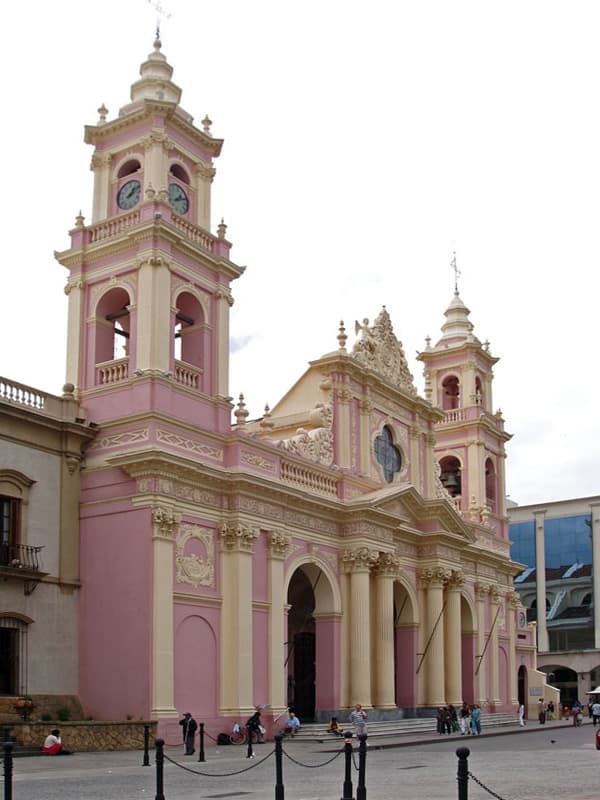
Cathedral Shrine of Our Lord and the Virgin of the Miracle
Salta Cathedral, officially the Cathedral Basilica of Salta, is the metropolitan cathedral of the Archbishop of Salta in Argentina. It is dedicated to Jesus Christ as the "Lord of Miracles" and the Blessed Virgin Mary as the "Our Lady of the Miraculous Rosary." The cathedral holds significant religious importance, having received a pontifical coronation for its enshrined images in 1902.

Cathedral Basilica of Our Lady of the Valley
The Catedral Basílica de Nuestra Señora del Valle, located in San Fernando del Valle de Catamarca, Argentina, is a significant religious edifice dedicated to the Virgen del Valle. Its architecture features a nave flanked by two chapels, adorned with marble mosaic floors and a Carrara marble altar, presenting a notable example of religious architecture in the region.