
Basilica of the Mother of God, Monastery of Our Lady of Lluc
Spain·Escorca
The Santuari de Lluc, also known as the Basilica of the Mother of God, Monastery of Our Lady of Lluc, is a significant monastery and pilgrimage site on the island of Majorca. Founded in the 13th century, it is renowned as the island's most important pilgrimage destination and is also celebrated for its internationally acclaimed boys' choir, Els Blauets.
Key Facts
- ›Founded in the 13th century after a Moorish shepherd discovered a statue of the Virgin Mary.
- ›Considered the most important pilgrimage site on Majorca.
- ›Home to the renowned boys' choir, Els Blauets, founded in 1531.
- ›Located in Escorca, north-west Majorca, at an altitude of 525 meters.
- ›Serves as a common starting point for hiking in the Serra de Tramuntana mountains.
- ›Hosts an annual night walk from Palma to the sanctuary in early August.
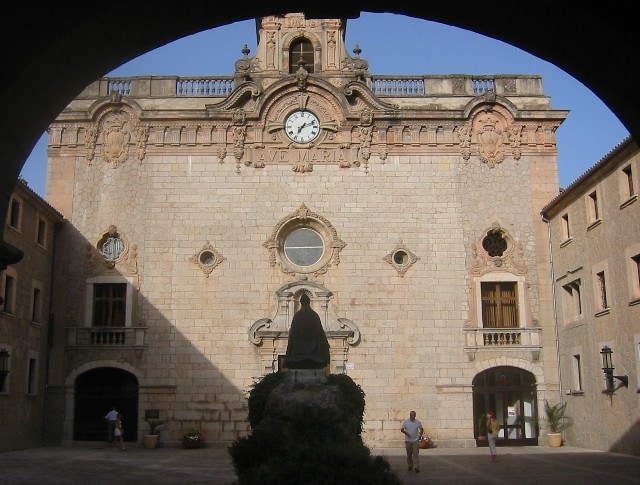
Statue of the Virgin Mary
About Basilica of the Mother of God, Monastery of Our Lady of Lluc
Santuari de Lluc: Majorca's Sacred Heart
The Santuari de Lluc, also known as the Basilica of the Mother of God, Monastery of Our Lady of Lluc, stands as a pivotal religious and cultural landmark on the island of Majorca. Nestled in the municipality of Escorca in the island's northwest, this monastery and pilgrimage site is situated at an elevation of 525 meters, embraced by the imposing peaks of the Serra de Tramuntana mountain range.
Historical Origins and Significance
The sanctuary's origins trace back to the 13th century. According to tradition, a Moorish shepherd discovered a statue of the Virgin Mary on the very spot where the monastery was later established. This discovery marked the beginning of Lluc's spiritual importance, leading to its development as the most significant pilgrimage destination on Majorca.
Musical Heritage: Els Blauets
Beyond its sacred role, Santuari de Lluc is internationally renowned for its distinguished boys' choir, known as Els Blauets. Founded in 1531, the choir's name is a nod to the distinctive blue cassocks worn by its young members. Els Blauets maintains a rigorous schedule of concerts, contributing to the monastery's vibrant cultural atmosphere and attracting global acclaim.
A Hub for Pilgrimage and Recreation
The monastery complex includes a boarding school and various tourist facilities, reflecting its multifaceted role. The cells formerly occupied by monks are now available for visitors to lease. Its central location within the Serra de Tramuntana also makes the Santuari de Lluc a popular starting point for hiking expeditions. Each year, the first weekend in August is marked by a significant night walk from Palma, the island's capital, to the sanctuary, commencing late on Saturday night.
Natural Beauty and Environmental Awareness
Adjacent to the monastery buildings, a botanical garden trail offers visitors an insight into the local flora and a small exhibition dedicated to the preservation of Majorca's mountain environment. This integration of nature and spirituality underscores the holistic appeal of the Santuari de Lluc.
Source: Wikipedia ↗
Frequently Asked Questions
When was the Santuari de Lluc founded?
The sanctuary was founded in the 13th century. Its origins are linked to a Moorish shepherd who discovered a statue of the Virgin Mary on the site.
What is the significance of the Santuari de Lluc?
It is the most important pilgrimage site on Majorca. It is also famous for its boys' choir, Els Blauets, which has achieved international recognition.
What is Els Blauets?
Els Blauets is the boys' choir of the Santuari de Lluc, founded in 1531. The name is derived from the blue cassocks the boys wear, and the choir holds regular concerts.
What activities can visitors do at Santuari de Lluc?
Visitors can participate in pilgrimage, enjoy concerts by Els Blauets, and use the monastery as a starting point for walking tours in the surrounding Serra de Tramuntana mountains. Former monks' cells are also available for lease.
Where is the Santuari de Lluc located?
The Santuari de Lluc is located in the municipality of Escorca, in north-west Majorca, at an elevation of 525 meters, surrounded by high mountains.
Related Basilicas
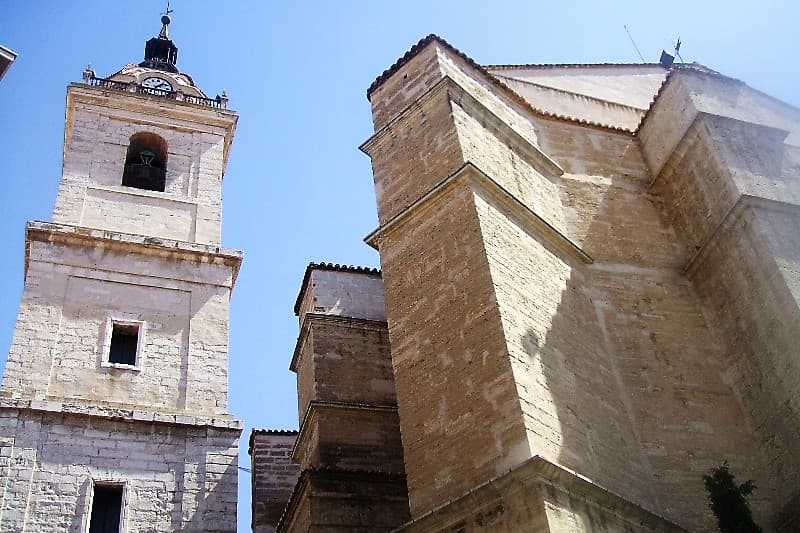
Cathedral Basilica of St Mary of the Meadow
The Holy Priory Church Cathedral Basilica of the Military Orders of Our Lady Saint Mary of the Prado, commonly known as the Cathedral of Saint Mary of the Prado, is a significant religious and architectural landmark in Ciudad Real, Spain. Its construction, spanning centuries and incorporating Gothic, Renaissance, and Baroque elements, makes it a rich historical monument. Since 1875, it has served as the priory for four of Spain's military orders, underscoring its enduring importance.

Basilica of St Mary of the Pine
The Basilica of St Mary of the Pine, known in Catalan as Santa Maria del Pi, is a significant 15th-century Gothic church located in Barcelona, Spain. It stands as a prominent example of Catalan Gothic architecture, characterized by its single nave and minimal ornamentation. The basilica has a long history marked by damage from earthquakes, wars, and fires, necessitating several reconstructions and restorations throughout the centuries.

Basilica of the Mother of God of Núria
The Basilica of the Mother of God of Núria is a significant Roman Catholic shrine located in the Valley of Nuria. It is a popular pilgrimage site and the origin of the Catalan girls' name Núria. While detailed historical construction information is limited in available documentation, its religious importance is evident through its veneration.