
Basilica of St Lawrence
The Minor Basilica of St. Lawrence the Deacon & Martyr is a Catholic parish church located in downtown Asheville, North Carolina. Designed by Spanish architect Rafael Guastavino, it is noted for its Spanish Renaissance Revival architecture and its unique elliptical dome, reputed to be the largest of its kind in North America. Pope John Paul II elevated its status to a minor basilica in 1993.
Key Facts
- ›Designed by Spanish architect Rafael Guastavino and built in 1905.
- ›Features the largest, freestanding, elliptical dome in North America, inspired by the Royal Basilica of our Lady of the Forsaken of Valencia.
- ›Elevated to the status of minor basilica by Pope John Paul II in 1993.
- ›Located within the Diocese of Charlotte and is the only basilica in western North Carolina.
- ›Included on the National Register of Historic Places for its architectural and engineering distinctions.
- ›The architect Rafael Guastavino is interred within the basilica.
Spanish Renaissance Revival
Lawrence the Deacon & Martyr
Rafael Guastavino, R. S. Smith
About Basilica of St Lawrence
Basilica of St Lawrence the Deacon & Martyr
The Minor Basilica of St. Lawrence the Deacon & Martyr is a significant Catholic parish church located in downtown Asheville, North Carolina. Completed in 1905, it stands as a prominent example of Spanish Renaissance Revival architecture, primarily designed by the renowned Spanish architect Rafael Guastavino. Guastavino, who is interred within the basilica, collaborated with fellow architect R. S. Smith on its construction.
Architectural Significance
The basilica is particularly celebrated for its impressive dome, which is said to be inspired by the Royal Basilica of Our Lady of the Forsaken of Valencia. This dome is reputed to be the largest, freestanding, elliptical dome in North America, measuring 58 by 82 feet (18 by 25 m). The exterior and interior showcase a rich array of decorative elements, including statues crafted in Italy by the Daprato Statue Company and numerous elaborate stained glass windows, many of which were imported from Munich, Germany.
Religious Status and Dedication
In 1993, Pope John Paul II officially elevated the church's status to that of a minor basilica, recognizing its importance within the Catholic faith. It serves as a parish church and holds the distinction of being the only basilica in western North Carolina. The basilica is dedicated to St. Lawrence the Deacon & Martyr, and its interior features imagery and chapels dedicated to him and other saints, including a Marian altar and a chapel for Eucharistic adoration.
Historical and Preservation Context
The Basilica of St. Lawrence is listed on the National Register of Historic Places and was declared a site of "National Significance" by the National Park Service in 2010, primarily for its architectural and engineering merits. Despite its historical importance, the building has faced significant structural challenges, including water leaks and masonry issues, necessitating a large-scale restoration project. Efforts are underway to preserve this architectural gem for future generations, with substantial funding being sought and allocated for its comprehensive repair and renovation.
Source: Wikipedia ↗
Frequently Asked Questions
Where is the Basilica of St. Lawrence located?
The Basilica of St. Lawrence is located in downtown Asheville, North Carolina, United States. It is situated within the Downtown Asheville Historic District.
Who designed the Basilica of St. Lawrence?
The basilica was designed and built in 1905 by Spanish architect Rafael Guastavino, along with his fellow architect R. S. Smith. Guastavino himself is interred at the site.
What is architecturally significant about the Basilica of St. Lawrence?
Its most notable feature is its dome, inspired by the Royal Basilica of Our Lady of the Forsaken of Valencia. This dome is reputed to be the largest, freestanding, elliptical dome in North America. The architectural style is Spanish Renaissance Revival.
When did the Basilica of St. Lawrence become a basilica?
The church was elevated to the status of a minor basilica by Pope John Paul II in 1993. It is a parish church and the only basilica in western North Carolina.
What are some notable features inside the Basilica of St. Lawrence?
The interior is adorned with statues of saints made in Italy by the Daprato Statue Company. The basilica is also known for its many elaborate stained glass windows, many of which were made in Munich, Germany, depicting various biblical scenes.
Is the Basilica of St. Lawrence in need of repair?
Yes, as of 2024, the historic building has been reported to have significant damage to its interior and exterior, requiring urgent repair and restoration. Issues include water leaks, falling masonry, and dome deterioration. A substantial restoration project is underway.
Related Basilicas
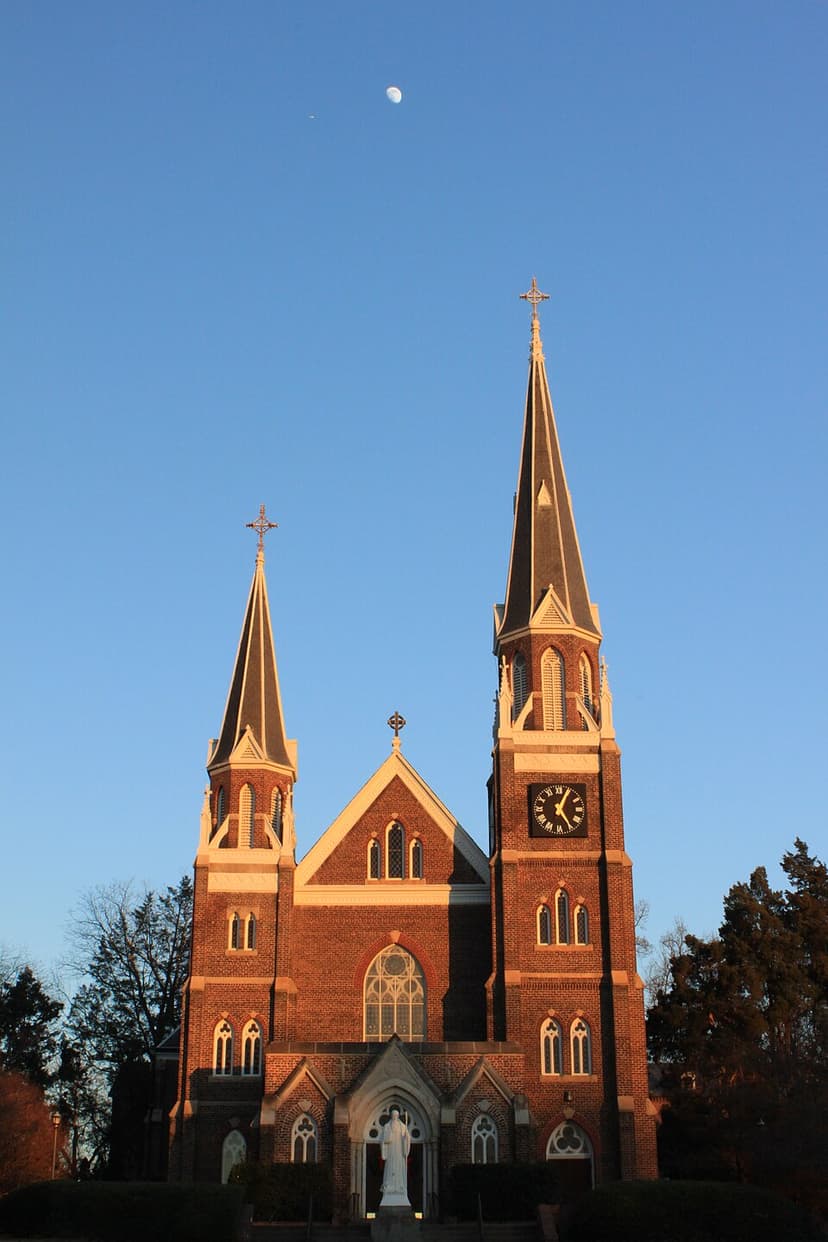
Abbey Basilica of Our Lady Help of Christians (Belmont Abbey)
The Abbey Basilica of Our Lady Help of Christians, located at Belmont Abbey in North Carolina, is a significant Catholic religious site. Originally established as a monastery and educational institution, it was elevated to the status of an abbey and later designated as a minor basilica. The basilica is notable for its Gothic Revival architecture and its historical role in education and religious administration in the region.
Basilica of St Fidelis
The Basilica of St. Fidelis, also known as the Cathedral of the Plains, is a Romanesque-style Catholic parish church located in Victoria, Kansas. It was constructed between 1908 and 1911 and was elevated to the status of a minor basilica in 2014. Its impressive architecture and prominent location have made it a significant landmark in western Kansas.
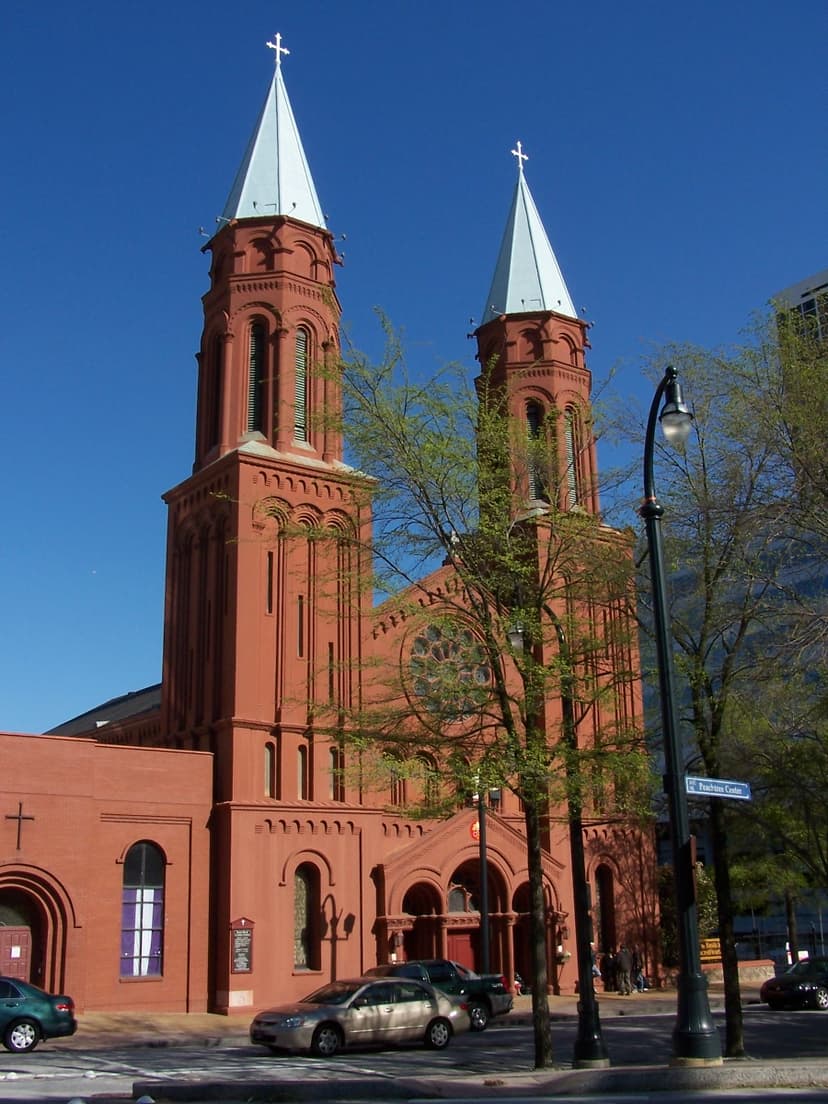
Basilica of the Sacred Heart of Jesus
The Basilica of the Sacred Heart of Jesus is a Roman Catholic church located in downtown Atlanta, Georgia. Completed in 1898, it is recognized for its French Romanesque and Romanesque Revival architecture and was designated a minor basilica in 2010. The church holds historical significance as one of the few remaining structures from Atlanta's early 20th-century development and has served its congregation for over a century.