
Basilica of Our Lady, Stična Abbey
Slovenia·Stična
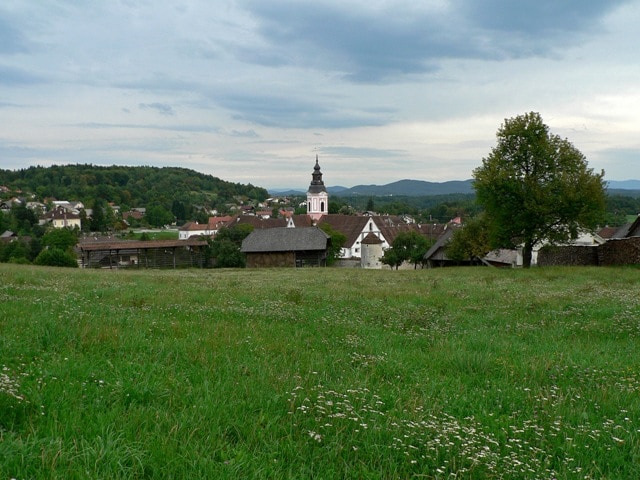
The Basilica of Our Lady, Stična Abbey, located within the oldest monastery in Slovenia, is a significant religious and cultural site. Originally founded in 1136, the abbey has undergone numerous architectural transformations, retaining Romanesque and Gothic elements within its Baroque structures. The basilica itself is dedicated to Our Lady of Sorrows and functions as a parish church, with both the abbey and its Romanesque basilica recognized as national cultural monuments.
Key Facts
- ›Founded in 1136 by Pellegrinus I, Patriarch of Aquileia, with monastic life beginning a year earlier.
- ›The abbey operated a music school, potentially attended by Renaissance composer Jacobus Gallus.
- ›The Stična manuscript, written in Slovene, was produced in the monastery's scriptorium in the 15th century.
- ›The architecture exhibits a blend of Romanesque and Gothic styles within Baroque buildings, with the oldest core preserved.
- ›The basilica is dedicated to our Lady of Sorrows and serves as the local parish church.
- ›The abbey was abolished in 1784 under Emperor Joseph II but resettled in 1898.
Romanesque, Gothic, Baroque
Cistercians
About Basilica of Our Lady, Stična Abbey
The Basilica of Our Lady, Stična Abbey, is a significant religious structure located within Slovenia's oldest monastery, Stična Abbey. The abbey itself, founded in 1136, has a rich history as a vital religious, cultural, and economic hub.
History and Architecture
Monastic life at Stična began in 1135, with the formal foundation charter issued in 1136. Over centuries, the abbey has undergone numerous architectural modifications, resulting in a complex that showcases Romanesque and Gothic architectural traces within Baroque buildings. The oldest core of the original abbey has been preserved. The basilica, dedicated to Our Lady of Sorrows, serves as the functioning parish church for the area. Both the abbey complex and its Romanesque basilica are recognized as cultural monuments of national significance in Slovenia.
Cultural and Religious Significance
Stična Abbey was historically known for its scriptorium, which produced illuminated Latin manuscripts from the 12th century. A notable achievement was the creation of the Stična manuscript in the 15th century, written in the Slovene language. The monastery also operated a music school, where the Renaissance composer Jacobus Gallus is believed to have received his early musical education. Despite facing challenges such as Ottoman raids and dissolution under Emperor Joseph II in 1784, the abbey was resettled in 1898 and continues its monastic life. Today, it also houses the Museum of Christianity in Slovenia and hosts the annual Festival Stična mladih, a large youth gathering inspired by World Youth Day.
Source: Wikipedia ↗
Frequently Asked Questions
When was Stična Abbey founded?
Stična Abbey was founded in 1136 by Pellegrinus I, Patriarch of Aquileia. Monastic life at the site had commenced a year prior, in 1135.
What is the architectural style of the Basilica of Our Lady, Stična Abbey?
The abbey has been repeatedly modified, resulting in a blend of architectural styles. While the oldest core remains, Romanesque and Gothic elements are visible within Baroque structures.
What is the significance of the Stična manuscript?
The Stična manuscript, written in Slovene, was produced in the monastery's scriptorium in the 15th century. It is a notable example of the illuminated Latin manuscripts also created there from the 12th century onwards.
What institutions are currently associated with Stična Abbey?
Today, the site houses the Museum of Christianity in Slovenia, a parish of Stična, and Sitik d.o.o., an enterprise focused on economic tourism and herbal products. The Stiška gimnazija (Gymnasium of Stična) also has historical ties to the abbey.
What is the Festival Stična mladih?
Festival Stična mladih is an annual cultural event that attracts approximately 8000 young people. The program is largely organized and led by young individuals and is inspired by the themes and messages of World Youth Day.
Related Basilicas

Basilica of Our Lady of Grace, Sveta Gora
The Basilica of Our Lady of Grace, Sveta Gora, is a significant pilgrimage site in western Slovenia, situated atop Holy Mount. Its origins trace back to a 1539 vision where the Virgin Mary reportedly instructed a shepherdess to initiate the construction of a church dedicated to her. The site also witnessed intense conflict during World War I.

Basilica of Our Lady Queen of Poland, Licheń (Sanctuary of Our Lady of Licheń)
The Basilica of Our Lady Queen of Poland, Licheń is a major Catholic pilgrimage site located in Licheń Stary, Poland. It holds the distinction of being the largest church in Poland and one of the largest church buildings globally, known for its immense scale and the venerated icon of Our Lady of Sorrows, Queen of Poland.