
Shem Hamephorash
Shem Hamephorash, meaning "the explicit name," is a term originating in Tannaitic Judaism that evolved to refer to sacred divine names of varying lengths: originally the Tetragrammaton, later a 42-letter name, and in Kabbalah, 22 or 72-letter names. These names are considered powerful and are associated with angelic beings and mystical practices across Jewish traditions, influencing later Christian Kabbalah and Hermetic Qabalah.
Key Facts
- ›Originally referred to the Tetragrammaton, the four-letter Hebrew name of God.
- ›In the Rishonic period, the term was reinterpreted to denote a 42-letter divine name.
- ›In Kabbalistic traditions, it can also refer to 22-letter or, more commonly, 72-letter divine names.
- ›The 72-letter name is derived from Exodus 14:19-21 by reading the verses boustrophedonically.
- ›Kabbalistic legends attribute the power to cast out demons, heal the sick, and prevent disasters to the 72-letter name.
- ›Christian Kabbalah, particularly through figures like Johann Reuchlin, interpreted these names as the names of angels.
Shem Ha-Mephorash
Divine Name
Exodus 14:19-21
Moses, Tetragrammaton
- Legend of the Golem
- Jorge Luis Borges's "the Golem", "Three Versions of Judas", and "the Circular Ruins"
About Shem Hamephorash
Shem HaMephorash (Hebrew: שֵׁם הַמְּפֹרָשׁ, meaning "the explicit name") is a term that originated in early Jewish rabbinic literature, known as the Tannaitic period. Initially, it was used to refer specifically to the Tetragrammaton, the four-letter Hebrew name of God, considered the most sacred and explicit divine name.
Evolution of the Name
Over time, particularly during the Rishonic period, the interpretation of Shem HaMephorash expanded. It began to refer to longer divine names, most notably a 42-letter name. In the development of Kabbalah, the mystical tradition of Judaism, the term's scope broadened further to encompass 22-letter and, more frequently, 72-letter divine names.
The 72-Letter Name and its Significance
The 72-letter Shem HaMephorash holds particular importance in Kabbalistic thought. It is traditionally derived by reading specific verses from the Book of Exodus (14:19-21) in a boustrophedonic manner, generating 72 distinct three-letter names. Kabbalistic legends attribute immense power to this name, suggesting it could be used by holy men to perform extraordinary feats such as parting seas, casting out demons, healing the sick, and averting natural disasters.
Influence and Cultural Depictions
The concept of Shem HaMephorash and its associated divine or angelic names has resonated beyond Jewish mysticism. It influenced Christian Kabbalah, where figures like Johann Reuchlin interpreted the 72 names as the individual names of angels, seen as products of God's will. The Shem HaMephorash also appears in folklore, notably in the legend of the golem, an artificial being animated by a divine name placed within it. Literary works, such as those by Jorge Luis Borges, have also referenced these traditions.
Source: Wikipedia ↗
Frequently Asked Questions
What does "Shem HaMephorash" mean?
Shem HaMephorash is a Hebrew term that translates to "the explicit name." It originally denoted the Tetragrammaton, the four-letter name of God.
How did the meaning of Shem HaMephorash evolve?
Initially referring to the Tetragrammaton, the term evolved to encompass longer divine names. By the Rishonic period, it could refer to a 42-letter name, and in Kabbalah, it is often associated with 22 or 72-letter names.
What is the significance of the 72-letter name?
The 72-letter Shem HaMephorash is highly important in Kabbalah, derived from specific verses in Exodus. Legends claim it could be used for powerful mystical feats, including healing, protection, and exorcism.
How is the 72-letter name derived?
The 72-letter name is generated from Exodus 14:19-21 by reading the verses in a boustrophedonic manner, producing 72 names of three letters each.
What is the connection between Shem HaMephorash and angels?
In Christian Kabbalah, particularly through Johann Reuchlin, the 72 names derived from Shem HaMephorash were interpreted as the names of individual angels. These names were seen as products of divine will.
Does Shem HaMephorash appear in folklore?
Yes, the Shem HaMephorash is mentioned in the legend of the golem, an animated figure in Jewish folklore. The golem was animated by placing a parchment with a divine name, sometimes understood as Shem HaMephorash, in its mouth.
Related Angels
Abaddon
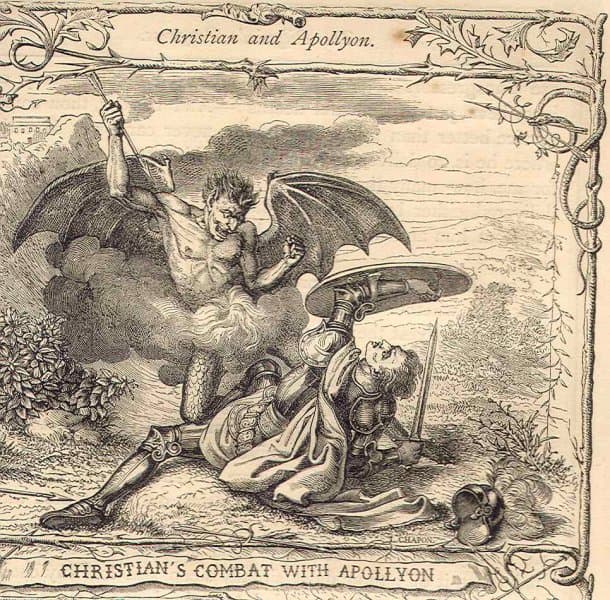
Abaddon, a term originating from Hebrew meaning "destruction" and its Greek equivalent Apollyon meaning "Destroyer," initially referred to a place of destruction or the realm of the dead in the Hebrew Bible. In the New Testament's Book of Revelation, Abaddon is depicted as an angel of the abyss and the king of a locust army, though his identity and role have been subject to various interpretations across different Christian traditions.
Adriel
Adriel was a nobleman from the ancient kingdom of Israel, mentioned in the Bible. His name, derived from Hebrew, signifies "flock of God." He is primarily known through biblical accounts detailing his marital relationships with two of King Saul's daughters, Merab and potentially Michal.
Agiel
Agiel is identified as the Intelligence or beneficial spirit associated with the planet Saturn. He is mentioned in esoteric texts like the Key of Solomon, where he is described as a spirit that can be invoked. Agiel's role is often linked to the beneficial influences and operations connected to Saturn.