
Seraph
Judaism·Seraphim (highest choir in Christian angelology, fifth rank in Jewish hierarchy)
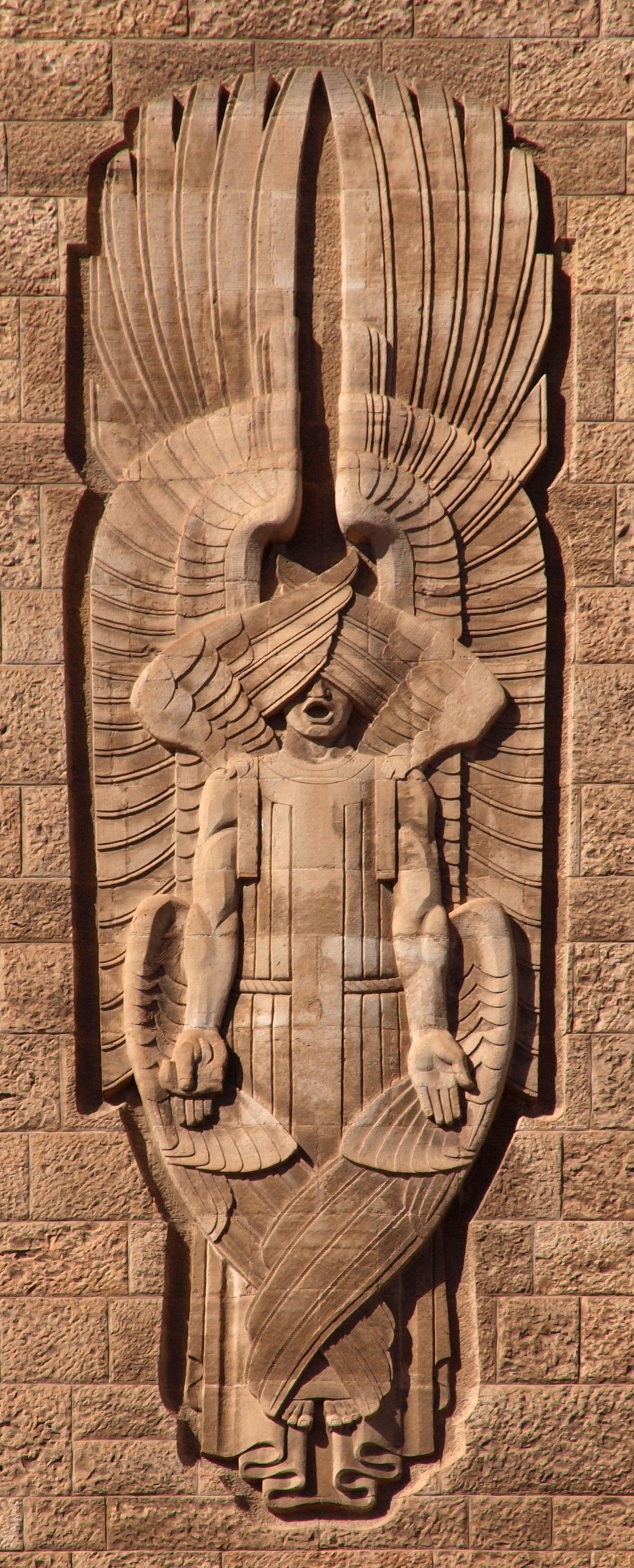
A seraph is a celestial or heavenly being originating in Ancient Judaism, playing a significant role in subsequent Judaism, Christianity, and Islam. Traditionally placed in the highest rank of Christian angelology and the fifth of ten in the Jewish angelic hierarchy, seraphim are depicted as six-winged beings that fly around the Throne of God, crying "holy, holy, holy." This imagery has profoundly influenced theology, literature, and art.
Key Facts
- ›Seraphim are celestial beings described as having six wings.
- ›They are traditionally placed in the highest rank of Christian angelology.
- ›In Jewish angelic hierarchy, they are considered the fifth of ten ranks.
- ›Their primary role involves continuous praise of God, crying "holy, holy, holy."
- ›The term 'seraph' in Hebrew means 'burning,' possibly alluding to their fiery passion or the burning sensation of a serpent's bite.
- ›They are associated with divine purification, as seen in Isaiah's vision where one touches his lips with a live coal.
Praise of God, Guardians of the Throne of God, Revelation of Divine Knowledge, Ritual Purification
Fire, Burning
Six Wings, Live Coal/Flame
Isaiah 6:1–8, Book of Enoch, Book of Revelation 4:4–8, Numbers, Deuteronomy, Surah ṣāD 38:69, Quran 69:17
Holiness, Charity, Zeal, Purity, Enlightenment
God, Cherubim, Hayot Angels, Muhammad, Adam
Multiocular O Glyph, Supreme Commander, the Battle Cats, Seraph of the End, Monster Train, Wizard101, Super Smash Bros. Ultimate, Vintage Story, Final Fantasy Vii, Doom and Doom Eternal, the Bastard Executioner, Tales of Zestiria, the Binding of Isaac: Rebirth, Supernatural, the Matrix Trilogy, Mega Man Zero, Armored Core Series, Street Fighter Series, Super Friends, Le Sserafim, One Piece, Destiny 2
About Seraph
A seraph is a celestial or heavenly being that originates in Ancient Judaism and plays a significant role in subsequent Jewish, Christian, and Islamic traditions. The term 'seraph' itself derives from the Hebrew word 'sārāf,' meaning 'burning,' which may allude to their fiery passion or, in earlier contexts, the burning sensation associated with a serpent's bite.
Origins and Description
The most seminal description of seraphim comes from the Book of Isaiah (Isaiah 6:1–8), where they are depicted as six-winged beings encircling the Throne of God, perpetually crying out 'holy, holy, holy.' This triple invocation of holiness has deeply influenced theological thought, religious art, and literature across cultures.
While the term 'saraph' in the Hebrew Bible often refers to a serpent, in Isaiah's vision, it clearly denotes angelic beings. These beings are described with heads, legs, and arms, though some scholars debate the interpretation of their 'feet.' The imagery of seraphim has been linked to ancient Egyptian iconography, particularly the uraeus, a symbol of sovereignty and divine authority.
Roles and Hierarchy
In Christian angelology, seraphim are traditionally placed in the highest rank, serving as caretakers of God's throne and engaged in continuous praise. In Jewish angelology, they are typically ranked fifth out of ten orders. Medieval Christian theologians, following Pseudo-Dionysius the Areopagite, further developed the concept of seraphim as beings of pure light, characterized by intense charity and an unquenchable desire to ascend to God and elevate others.
In Islam, beings comparable to seraphim are known as 'sarāfiyun' or 'Bearers of the Throne.' These beings are often described with six wings and four faces and are entrusted with continuously worshipping God, remaining in the heavenly realm rather than interacting directly with the earthly world.
Significance and Influence
The concept of seraphim has had a profound impact beyond religious texts. Their fiery nature and aspiration towards the divine have been embraced in Renaissance humanism as models for human aspiration. The imagery of seraphim continues to be a recurring motif in arts, entertainment, and popular culture, appearing in literature, video games, and other media, often representing powerful, enlightened, or divinely connected entities.
Source: Wikipedia ↗
Frequently Asked Questions
What is the origin of the word 'seraph'?
The word 'seraph' originates from Hebrew (sārāf), meaning 'burning.' This may refer to their fiery passion for divine work or, in earlier contexts, the burning sensation associated with venomous serpent bites.
What is the most well-known depiction of seraphim?
The most seminal passage describing seraphim is in the Book of Isaiah (Isaiah 6:1–8), which depicts them as six-winged beings surrounding the Throne of God, chanting 'holy, holy, holy.'
What is the role of seraphim in Christian angelology?
In medieval Christian theology, seraphim are placed in the highest choir of the angelic hierarchy. They are depicted as caretakers of God's throne, continuously engaged in praising Him.
How are seraphim viewed in Jewish tradition?
In Judaism, seraphim are traditionally ranked fifth in the ten-tiered angelic hierarchy established by Maimonides. In Kabbalah, they represent the highest angels of the World of Beriah, constantly 'burning up' in self-nullification due to their awareness of their distance from the divine.
Are seraphim mentioned in the Quran?
Seraphim, spelled as sarāfiyun in Islamic writings, are mentioned in Islamic texts. They are sometimes compared to the 'Bearers of the Throne,' described with six wings and four faces, though their specific features are not detailed in the Quran itself.
What does the six-winged imagery of seraphim signify?
The six wings of the seraphim are often interpreted symbolically. In Isaiah's vision, they use two wings to cover their faces, two to cover their feet, and two to fly. This symbolizes reverence, humility, and their constant movement in divine service.
Related Angels
Abaddon
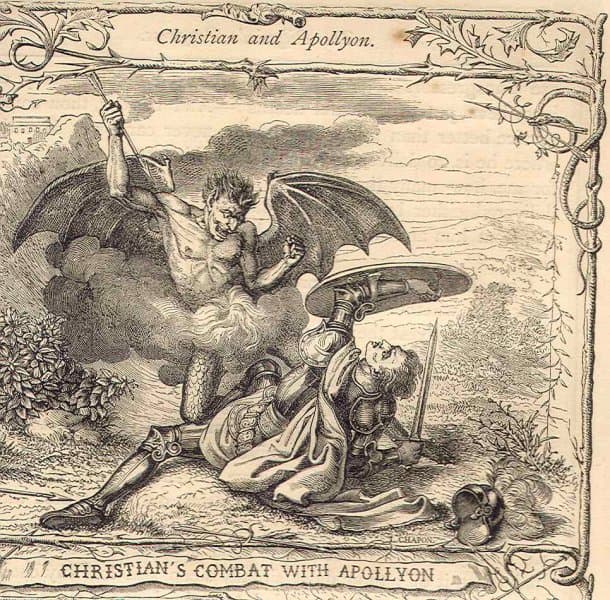
Abaddon, a term originating from Hebrew meaning "destruction" and its Greek equivalent Apollyon meaning "Destroyer," initially referred to a place of destruction or the realm of the dead in the Hebrew Bible. In the New Testament's Book of Revelation, Abaddon is depicted as an angel of the abyss and the king of a locust army, though his identity and role have been subject to various interpretations across different Christian traditions.
Adriel
Adriel was a nobleman from the ancient kingdom of Israel, mentioned in the Bible. His name, derived from Hebrew, signifies "flock of God." He is primarily known through biblical accounts detailing his marital relationships with two of King Saul's daughters, Merab and potentially Michal.
Agiel
Agiel is identified as the Intelligence or beneficial spirit associated with the planet Saturn. He is mentioned in esoteric texts like the Key of Solomon, where he is described as a spirit that can be invoked. Agiel's role is often linked to the beneficial influences and operations connected to Saturn.