
Ophanim
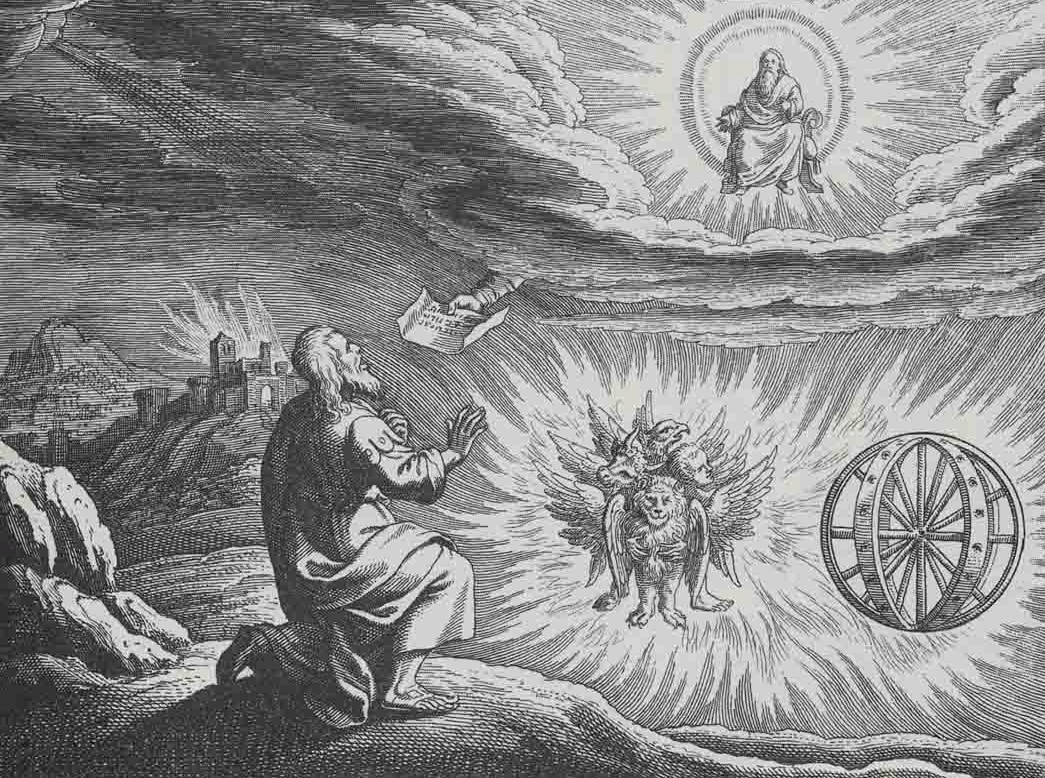
Ophanim, also known as wheels or galgalim, are celestial beings described in Ezekiel's vision of the divine chariot. They are depicted as watchful guardians of God's throne, never sleeping, and are considered a class of angels in some traditions. In Christian angelology, they are often identified with the choir of Thrones.
Key Facts
- ›Ophanim are depicted as wheels, often with eyes, in Ezekiel's vision.
- ›They are described as celestial beings who guard the throne of God and never sleep.
- ›In Jewish tradition, they are considered the second closest angelic order to God.
- ›In Christian angelology, Ophanim are often equated with the angelic order of Thrones.
- ›They are associated with the concept of the divine chariot or Merkabah.
- ›They are sometimes referred to as the 'many-eyed ones'.
Galgalim, Auphanim, Ofanim, Thrones, Lord of the Flame
Guardian, Attendant To God's Throne
Wheels, Eyes
Ezekiel 1:15-21, Daniel 7:9
Cherubim, Seraphim
- Identified With 'Machine Elves' In Some User Reports of Dmt Experiences.
About Ophanim
The Ophanim are a class of celestial beings originating in Jewish tradition, most notably described in the visions of the prophet Ezekiel. Appearing as wheels, often described as being full of eyes, they are integral to the imagery of God's divine chariot, the Merkabah. Their name derives from the Hebrew word for 'wheels' (ōp̄annīm) or 'spheres' and 'whirlwinds' (galgallīm).
Role and Significance
In scriptural accounts and subsequent theological interpretations, the Ophanim are depicted as tireless guardians of God's throne, never sleeping. In the Jewish angelic hierarchy, Maimonides lists them as the second closest order to God. They are often associated with the Cherubim, moving alongside them because the spirit of the Cherubim is understood to be within them.
Theological Interpretations
Within Christian angelology, the Ophanim are frequently identified with the angelic choir of Thrones. This association stems from their perceived role as bearers of God's throne and their exalted, divinely connected nature. The First Book of Enoch also lists them alongside Seraphim and Cherubim, suggesting a similar celestial rank. They are described as being exempt from earthly concerns and perfectly established in the Most High, receiving divine immanence.
Later Associations
In some esoteric traditions, such as the Western Wisdom Teachings, the Ophanim are referred to as the 'Lord of the Flame' and are astrologically assigned to Leo. These traditions suggest that Ophanim, along with Seraphim, Cherubim, Archangels, and Angels, continue to aid humanity in spiritual evolution.
In Jewish Liturgy
The Ophanim are mentioned in Jewish liturgical texts, such as the kedusha section of the morning prayer and the El Adon prayer, underscoring their established presence in Jewish devotional practice. These references draw directly from the visionary imagery found in Ezekiel.
Source: Wikipedia ↗
Frequently Asked Questions
What do Ophanim look like?
Ophanim are described as wheels, often with rims and spokes, and are noted for being full of eyes all around. They are also referred to as the 'many-eyed ones'.
What is the role of Ophanim?
Ophanim are depicted as guardians of God's throne, never sleeping. In Jewish tradition, they are listed as the second closest angelic order to God, and in Christian angelology, they are identified with the Thrones.
Where are Ophanim mentioned in scripture?
Ophanim are primarily mentioned in Ezekiel's vision of the divine chariot in Ezekiel 1:15-21. They are also referenced in Daniel 7:9.
Are Ophanim the same as Thrones?
In some systems of angelology, particularly in Christianity, Ophanim are identified with the choir of Thrones. The First Book of Enoch also seems to equate them when listing celestial beings.
What is the significance of the wheels in Ezekiel's vision?
The wheels, or Ophanim, are integral to Ezekiel's vision of the divine chariot (Merkabah). They are described as moving with the Cherubim because the spirit of the Cherubim is in them, and they are seen as constantly attending to God's throne.
Related Angels
Pahaliah
Pahaliah is an angel associated with redemption, wisdom, and truth. His name signifies "God Redeemer," and he is invoked to grant revelations of divine truth and knowledge. Pahaliah belongs to the Order of Thrones and is considered an angel of Virtuosity, ruling over theology and morals.
Nelchael
Nelchael is an angel described as belonging to the order of Thrones and one of the 72 angels associated with the mystical name of God, Shemhamphorae, according to certain Kabbalistic traditions. However, some texts also describe Nelchael as a fallen angel who teaches earthly sciences to demons in Hell.
Abaddon
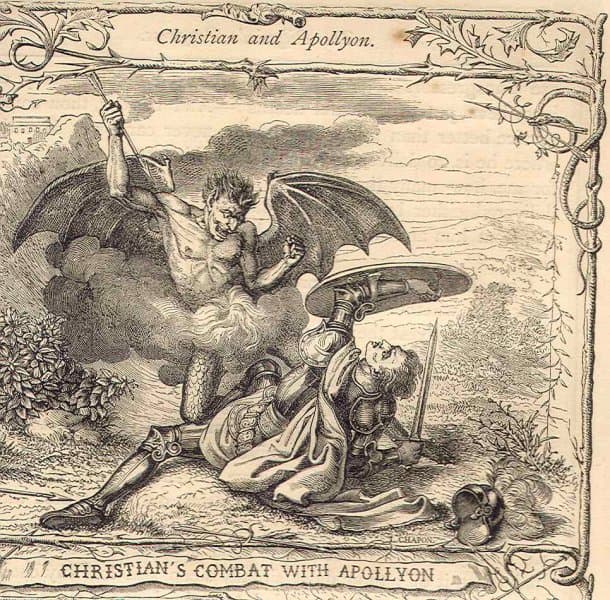
Abaddon, a term originating from Hebrew meaning "destruction" and its Greek equivalent Apollyon meaning "Destroyer," initially referred to a place of destruction or the realm of the dead in the Hebrew Bible. In the New Testament's Book of Revelation, Abaddon is depicted as an angel of the abyss and the king of a locust army, though his identity and role have been subject to various interpretations across different Christian traditions.