
Lailah
Lailah is an angel primarily featured in Jewish mythology, particularly within interpretations of the Talmud and Midrash. Associated with the night, Lailah's most prominent role is as the angel in charge of conception and pregnancy, where she presents the drop of semen before God to determine the child's fate, except for their righteousness or wickedness, which is left to free will. Unlike many other angels, Lailah is often described as possessing distinctly feminine characteristics.
Key Facts
- ›Lailah is an angel originating from Jewish interpretations found in the Talmud and Midrash.
- ›The name Lailah is derived from the Hebrew word for 'night' (laylah).
- ›Lailah's primary role is overseeing conception and pregnancy.
- ›This angel presents the drop of semen before God to determine aspects of a child's fate.
- ›Lailah is often depicted with feminine characteristics, contrasting with figures like Lilith.
- ›The angel's role in conception leaves the choice of righteousness or wickedness to the individual's free will.
Conception, Pregnancy, Determining Fate
Night
Genesis 14:15, Job 3:3, Niddah 16b, Midrash Tanhuma, Zohar Chadash 68:3
Free Will
God, Lilith
- Mentioned In Louis Ginzberg's Legends of the Jews
- Discussed By Folklorist Howard Schwartz
About Lailah
Lailah is an angel known within certain interpretations of Jewish tradition, particularly from the Talmud and Midrash. Her name is directly derived from the Hebrew word for "night" (laylah), and she is associated with the nocturnal hours. While not mentioned in the Hebrew Bible, Lailah's significance emerges from rabbinic exegesis of biblical passages.
Role in Conception and Fate
The most prominent role attributed to Lailah is as the angel in charge of conception and pregnancy. In Talmudic passages, such as Niddah 16b, it is described that Lailah takes a drop of semen and presents it before God. During this presentation, Lailah inquires about the potential fate of the conceived child, asking what it will produce: a strong or weak person, a wise or foolish one, a rich or poor individual. However, a crucial aspect of this divine decree is that God does not decide whether the child will be righteous or wicked, leaving this choice to the individual's free will.
Etymology and Gender Association
The name Lailah directly reflects the Semitic root L-Y-L, meaning "night." This connection is fundamental to her identity. Folklorist Howard Schwartz has noted that, unlike many other angelic figures, Lailah exhibits "distinctly feminine characteristics." This portrayal has led some to view her as a counterpart to Lilith, who is often depicted as destructive and antithetical to creation and maternity.
Scriptural and Rabbinic Interpretations
Lailah's identification as an angel stems from interpretations of Genesis 14:15, where Abraham attacks his enemies "by night." Rabbi Yochanan interpreted this to mean Abraham was aided by an angel named "Night." Further support for this interpretation is drawn from Job 3:3, which states, "And night [lailah] said: A male child is brought forth." These interpretations, elaborated upon in sources like Midrash Tanhuma and the Zohar, solidify Lailah's role in the process of creation and the unfolding of human destiny.
Source: Wikipedia ↗
Frequently Asked Questions
What is the meaning of the name Lailah?
The name Lailah is derived directly from the Hebrew word 'laylah' (לילה), which means 'night'. This etymology reflects the angel's association with the nocturnal hours.
Where does the concept of Lailah originate?
The concept of the angel Lailah originates from interpretations within the Babylonian Talmud and later Jewish mythology, particularly the Midrash. It is not mentioned in the Hebrew Bible itself.
What is Lailah's primary role in Jewish tradition?
Lailah is primarily known as the angel in charge of conception and pregnancy. She is depicted as presenting the drop of semen before God to determine the future of the unborn child.
What aspects of a child's fate does Lailah determine?
According to interpretations, Lailah presents the drop of semen before God, who then decrees aspects of the child's fate, such as whether they will be strong or weak, wise or foolish, rich or poor. However, the choice of whether the child will be righteous or wicked is left to their own free will.
How is Lailah depicted in terms of gender?
Unlike many other angels, Lailah is often described as exhibiting distinctly feminine characteristics. This portrayal is sometimes contrasted with figures like Lilith.
Related Angels
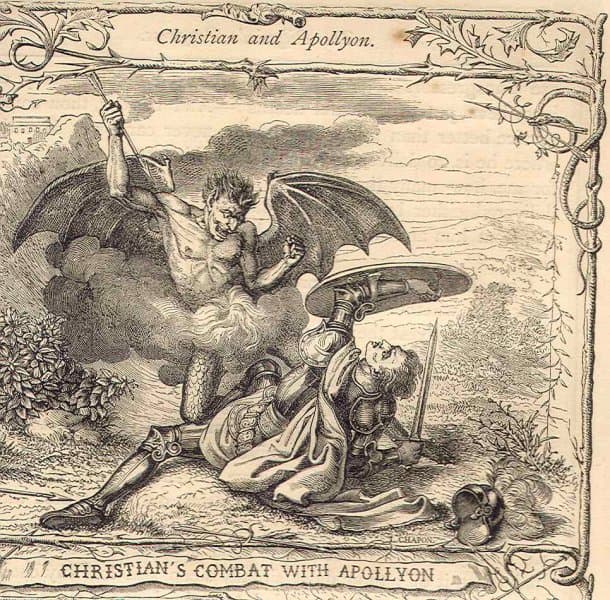
Abaddon
Abaddon, a term originating from Hebrew meaning "destruction" and its Greek equivalent Apollyon meaning "Destroyer," initially referred to a place of destruction or the realm of the dead in the Hebrew Bible. In the New Testament's Book of Revelation, Abaddon is depicted as an angel of the abyss and the king of a locust army, though his identity and role have been subject to various interpretations across different Christian traditions.
Adriel
Adriel was a nobleman from the ancient kingdom of Israel, mentioned in the Bible. His name, derived from Hebrew, signifies "flock of God." He is primarily known through biblical accounts detailing his marital relationships with two of King Saul's daughters, Merab and potentially Michal.
Agiel
Agiel is identified as the Intelligence or beneficial spirit associated with the planet Saturn. He is mentioned in esoteric texts like the Key of Solomon, where he is described as a spirit that can be invoked. Agiel's role is often linked to the beneficial influences and operations connected to Saturn.