
Dumah
Dumah is identified as the sixth son of Ishmael and a grandson of Abraham and Hagar, according to the Hebrew Bible. While primarily a genealogical figure, some scholarly interpretations connect him to the ancient city of Duma in modern Saudi Arabia, and he is mentioned in prophetic contexts regarding Seir and Arabia.
Key Facts
- ›Dumah is the sixth son of Ishmael, as recorded in the Book of Genesis and Chronicles.
- ›He is a grandson of Abraham and Hagar, through their son Ishmael.
- ›Biblical passages mention Dumah in relation to the territory of Seir, associated with Edom.
- ›Scholars have proposed potential identifications for the tribe of Dumah, including a location near Hebron and the ancient Arabian city of Dumat al-Jandal.
- ›The city of Dumat al-Jandal, also known as Adummatu, was described as a fortress of Arabia and was destroyed by Sennacherib's forces.
Dūmā
Genesis 25:14, 1 Chronicles 1:30, Isaiah 21:11
Ishmael, Abraham, Hagar
About Dumah
Dumah is a figure primarily known from the Hebrew Bible, identified as the sixth son of Ishmael and, therefore, a grandson of Abraham and Hagar. His existence is noted within the genealogical records of the Ishmaelites, who were believed to be the progenitors of various Arab tribes.
Biblical Context
The generations of Ishmael are documented in the Book of Genesis. Dumah is specifically named as the sixth of Ishmael's twelve sons in Genesis 25:14 and is reiterated in 1 Chronicles 1:30. These texts establish his place within the lineage tracing back to Abraham and Hagar. The Book of Isaiah also mentions Dumah in chapter 21, verse 11, in a prophetic oracle concerning Seir, which was historically linked to the territory of Edom in the Negev region.
Historical and Geographical Associations
Scholarly attempts to identify a specific tribe or location named after the biblical Dumah have yielded several possibilities. One proposed site is a place called Dumah (or Deir ad-Duma) located in the vicinity of Hebron, which is mentioned in Joshua 15:52. However, some scholars suggest that the oracle concerning Dumah in Isaiah might be more fitting for a location in Arabia. This interpretation points towards the ancient city of Dumat al-Jandal as a more probable contender. Known in ancient inscriptions by Assyrian monarchs as Adummatu, this city was situated in the desert and described as a "fortress of Arabia" before its destruction by Sennacherib's forces. Today, this region is part of modern Saudi Arabia, known as Al-Jawf.
Source: Wikipedia ↗
Frequently Asked Questions
Who is Dumah in the Hebrew Bible?
Dumah is listed as the sixth son of Ishmael, who was the son of Abraham and Hagar. This lineage makes Dumah a grandson of Abraham.
Where is Dumah mentioned in the Bible?
Dumah is mentioned in the Book of Genesis and also in the Book of Chronicles as one of Ishmael's sons. He is also referenced in the Book of Isaiah in a prophetic context concerning Seir.
What is the significance of Dumah in relation to Ishmael's descendants?
Dumah is one of the twelve sons of Ishmael, who are considered to be the forefathers of twelve tribes. His inclusion in genealogies highlights his place within the lineage derived from Ishmael.
Are there specific locations identified with Dumah?
Scholars have suggested potential identifications for Dumah. One possibility is a place named Dumah (Deir ad-Duma) near Hebron, mentioned in Joshua. Another, considered more likely by some, is the ancient city of Dumat al-Jandal in Arabia, known historically as Adummatu.
Related Angels
Abaddon
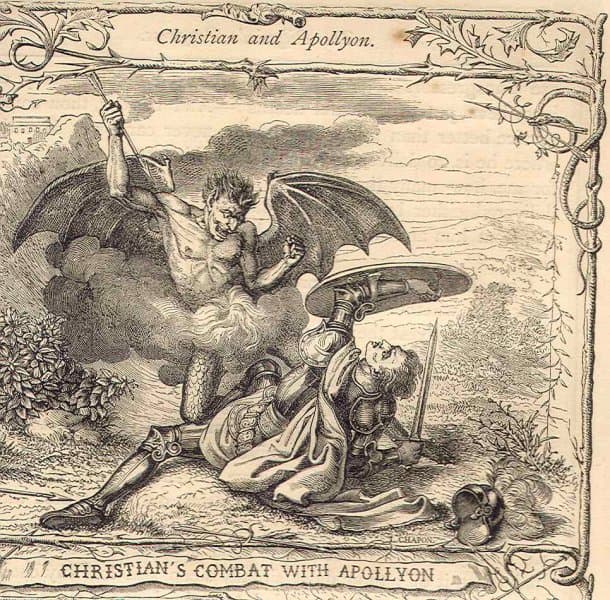
Abaddon, a term originating from Hebrew meaning "destruction" and its Greek equivalent Apollyon meaning "Destroyer," initially referred to a place of destruction or the realm of the dead in the Hebrew Bible. In the New Testament's Book of Revelation, Abaddon is depicted as an angel of the abyss and the king of a locust army, though his identity and role have been subject to various interpretations across different Christian traditions.
Adriel
Adriel was a nobleman from the ancient kingdom of Israel, mentioned in the Bible. His name, derived from Hebrew, signifies "flock of God." He is primarily known through biblical accounts detailing his marital relationships with two of King Saul's daughters, Merab and potentially Michal.
Agiel
Agiel is identified as the Intelligence or beneficial spirit associated with the planet Saturn. He is mentioned in esoteric texts like the Key of Solomon, where he is described as a spirit that can be invoked. Agiel's role is often linked to the beneficial influences and operations connected to Saturn.