
Anush
Enos, also known as Anush or Yanish, is a significant figure in Abrahamic religions, primarily appearing in the Book of Genesis as the grandson of Adam and Eve and the son of Seth. He is credited with initiating the practice of calling upon the name of the Lord, a pivotal moment in religious history, and is revered in Judaism, Christianity, and Islam as a righteous patriarch and prophet.
Key Facts
- ›Enos is the son of Seth and grandson of Adam and Eve, according to the Book of Genesis.
- ›He is traditionally credited with being the first to "call upon the name of the Lord."
- ›In Jewish tradition, this act is sometimes interpreted as the beginning of idolatry or a spiritual revival.
- ›Islamic tradition identifies him as Anūsh, a prophet who received scrolls and taught his people devotion to God.
- ›Christian tradition includes Enos in the genealogy of Jesus.
- ›Mandaeism associates him with the angelic figure Anush Uthra, a lightworld being.
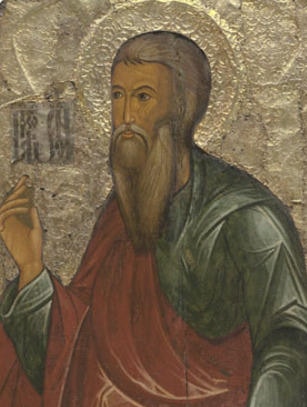
Enosh, Anūsh, Yāniš, Henos
Patriarch, Prophet
Genesis 4:26, Genesis 5:6–11, 1 Chronicles, Luke 3:38, Book of Jubilees
Righteousness, Devotion To God
Adam, Eve, Seth, Kenan, Noah, Jesus, Sheetil, John the Baptist
Genealogy of Jesus In Luke, Pre-Islamic Prophet Tales In Islam, Mandaean Scriptures
About Anush
Enos
Enos, also known as Enosh, Anush, or Yanish, is a significant patriarchal figure in the Abrahamic traditions, most notably appearing in the Hebrew Bible's Book of Genesis. He is described as the first son of Seth, and consequently, the grandson of Adam and Eve. His lineage is also acknowledged in the genealogies of 1 Chronicles and the New Testament's Gospel of Luke, which includes him in the ancestry of Jesus.
Religious Significance
The primary biblical account of Enos from Genesis 4:26 states, "And to Seth, to him also there was born a son; and he called his name Enosh; then began men to call upon the name of the Lord." This verse has been interpreted in various ways across different religious traditions.
In traditional Jewish interpretation, this event signifies either the nascent stages of idolatry, where people began to venerate created beings, or conversely, a profound spiritual revival where humanity earnestly started to invoke the name of God. Maimonides, in his Mishneh Torah, elaborates on the former, suggesting that during Enos's time, mankind mistakenly believed that praising celestial bodies like stars and spheres, which they saw as God's servants, was a way to honor God.
Christian tradition acknowledges Enos through his inclusion in Jesus's genealogy. Theologians like Albert Barnes and Matthew George Easton have explored the meaning of "calling upon the name of the Lord," suggesting it refers to audible, social prayer and praise, or a distinguishing identity from idolaters, indicating a period of spiritual earnestness.
Islamic tradition reveres Enos as Anūsh, a prophet and son of Seth. He is believed to have obeyed his father, written scrolls detailing Adam's story, and exhorted his people to devotion. He is also credited with being the first to invoke God's name and is said to have been granted knowledge of the cosmos and the courses of stars. Early Islamic historians consistently included him in the genealogy of the Islamic prophet Muhammad.
Other Traditions
Within the Ethiopian Orthodox Bible, the Book of Jubilees credits Enos with being a "faithful and righteous servant of God" and further attributes to him the introduction of the Ge'ez alphabet, in its original consonant-only form, as a tool for codifying laws, following a divine revelation.
Latter-day Saint texts mention Enos, son of Seth, noting his ordination to the priesthood at age 134 and his attendance at a blessing given by Adam. He is also said to have led God's people to a promised land he named Cainan.
Mandaeism features a cognate figure, Anush Uthra, described as a lightworld being and sometimes translated as "Excellent Ennosh." This figure is presented as the son or brother of Sheetil (Seth) and is known for teaching John the Baptist and performing miracles attributed to Jesus in Christian narratives.
Enos lived for 905 years according to biblical reckoning, preceding the Great Flood. His life and the spiritual developments attributed to his era underscore his foundational role in the religious and historical narratives of these traditions.
Source: Wikipedia ↗
Frequently Asked Questions
Who was Enos in the Bible?
Enos was a figure in the Book of Genesis, described as the first son of Seth and the grandson of Adam and Eve. He is noted for the significant event where "men began to call upon the name of the Lord" during his time.
What is Enos known for in Judaism?
In Jewish interpretation, Enos's era marks a turning point. Some traditions suggest it was the beginning of idolatry, where people began to venerate created things as divine. Others see it as a period of spiritual revival, where humanity earnestly began to call upon the Lord.
How is Enos regarded in Islam?
In Islam, Enos is known as Anūsh, the son of Seth. He is considered a prophet who obeyed his father, wrote scrolls containing the story of Adam, and taught his people proper devotion to God. He is also credited with being the first to invoke the Name of the Lord.
What is the significance of Enos in Christianity?
Enos is recognized in Christianity primarily through his inclusion in the genealogy of Jesus as recorded in the Gospel of Luke. His role in initiating the invocation of God's name is also noted as a remarkable event.
Is Enos considered an angel?
While Enos is a significant human figure in religious texts, Mandaeism associates him with an angelic soteriological figure named Anush Uthra. However, in Abrahamic traditions, he is primarily recognized as a righteous human patriarch and prophet, not an angel.
What is the meaning of the name Enos?
The name Enos (Hebrew: אֱנוֹשׁ) means "mortal man." This meaning is reflected in its various transliterations and cognates across different languages and traditions, such as Arabic 'Anūsh/Yāniš and Greek Enṓs.
Related Angels
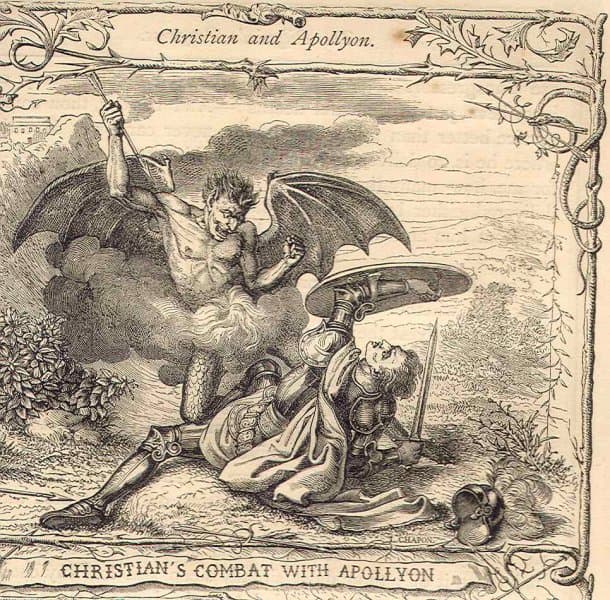
Abaddon
Abaddon, a term originating from Hebrew meaning "destruction" and its Greek equivalent Apollyon meaning "Destroyer," initially referred to a place of destruction or the realm of the dead in the Hebrew Bible. In the New Testament's Book of Revelation, Abaddon is depicted as an angel of the abyss and the king of a locust army, though his identity and role have been subject to various interpretations across different Christian traditions.
Adriel
Adriel was a nobleman from the ancient kingdom of Israel, mentioned in the Bible. His name, derived from Hebrew, signifies "flock of God." He is primarily known through biblical accounts detailing his marital relationships with two of King Saul's daughters, Merab and potentially Michal.
Agiel
Agiel is identified as the Intelligence or beneficial spirit associated with the planet Saturn. He is mentioned in esoteric texts like the Key of Solomon, where he is described as a spirit that can be invoked. Agiel's role is often linked to the beneficial influences and operations connected to Saturn.