
Biraja Temple
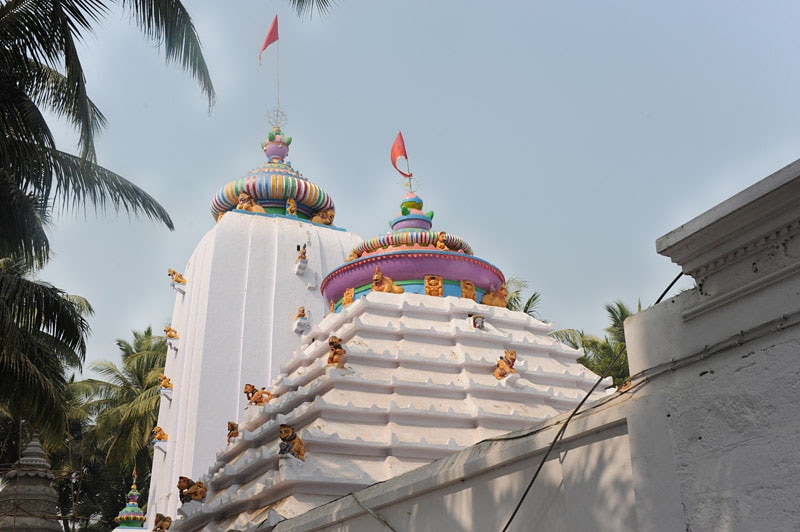
The Biraja Temple, also known as Birija Kshetra or Biraja Mandira, is a significant Hindu temple located in Jajpur, Odisha, India. Constructed in the 11th century CE, it is primarily dedicated to Devi Durga, worshipped here as Virajā/Birajā. The temple complex is extensive and includes shrines to Shiva and other deities, holding particular importance in Tantra traditions.
Key Facts
- ›The temple is dedicated to Devi Durga, worshipped as Virajā/Birajā.
- ›The present structure dates back to the 11th century CE.
- ›It is situated in Jajpur, Odisha, approximately 125 kilometers north of Bhubaneswar.
- ›The temple complex covers a large area and features multiple shrines.
- ›It is considered a Shakti Pitha, with Sati's navel believed to have fallen in the region.
- ›The temple is associated with Tantra traditions and is mentioned in texts like the Brahmayamala Tantra and Tantra CūḍamaṇI.
Durga
Shakti Pitha, Tantric Significance, Pilgrimage Site For Nabhi Gaya Rituals
Sharadiya Durga Puja, Navratri, Nakshatra, Shravana, Prathamastami, Maha Bishuba Sankranti, Raja Parva, Navanna
- Idol of Devi Durga As Virajā/Birajā
- Ganesha, Crescent Moon, and Lingam On the Idol's Crown
Baitarani River
About Biraja Temple
The Biraja Temple, also known by its Sanskritized names Birija Kshetra and Biraja Mandira, is a significant Hindu temple situated in the town of Jajpur, Odisha, India. The current temple structure was erected in the 11th century CE, making it a historical monument of considerable importance. The primary deity enshrined and worshipped here is Devi Durga, who is venerated in her form as Virajā or Birajā, also referred to as Girijā. This association has led to Jajpur itself being known by the epithets "Birajā Kṣētra" and "Birajā Pīṭha".
The iconography of the principal idol is distinct, depicting the two-armed Durga spearing the chest of Mahishasura with one hand while holding his tail with the other. One of her feet rests upon a lion, while the other is positioned on Mahishasura's chest, who is represented as a water buffalo. The crown of the idol is adorned with figures of Ganesha, a crescent moon, and a lingam. The temple complex is expansive, encompassing numerous shrines dedicated to Lord Shiva and various other deities.
In Tantric traditions, the Biraja Temple holds a special place. Texts such as the Brahmayamala Tantra mention Viraja as the goddess worshipped in the Utkala kingdom, which later evolved into Odisha. The Tantra Cūḍamaṇi identifies the 'Virajā Kṣētra' as the location where Sati's navel fell, establishing it as a significant Shakti Pitha and an Ōḍḍiyāna Pīṭha. The temple is also recognized as 'Nabhi Gaya,' a site where Pinda Dana and Tarpana rituals are performed, symbolizing the navel. The principal ritual observed is the Sharadiya Durga Puja, a lengthy 16-day ceremony known as Shodasha Dinatatmika Puja, which culminates around Mahalaya and Navratri. Other festivals celebrated include Nakshatra, Shravana, Prathamastami, Maha Bishuba Sankranti, Raja Parva, and Navanna. The temple adheres to Tantra and Agama traditions in its daily worship of Devi as Mahishasuramardini.
Source: Wikipedia ↗
Frequently Asked Questions
What is the main deity worshipped at the Biraja Temple?
The principal deity worshipped at the Biraja Temple is Devi Durga, who is venerated in her form as Virajā or Birajā (also referred to as Girijā). The idol depicts her in a unique posture, spearing Mahishasura and with one foot on his chest.
When was the Biraja Temple built?
The present temple was constructed during the 11th century CE. Its historical roots, however, are connected to ancient Tantra traditions and its significance as a Shakti Pitha.
What is the significance of Jajpur in relation to the Biraja Temple?
Jajpur is known by the nicknames 'Birajā Kṣētra' and 'Birajā Pīṭha' due to the presence of the Biraja Temple. The region is also believed to house a vast number of Shiva lingams, contributing to its sacredness.
What are the important rituals and festivals observed at the Biraja Temple?
The primary ritual is the Sharadiya Durga Puja, known as Shodasha Dinatatmika Puja, which lasts for 16 days. Other celebrated festivals include Navratri (as Aparajita Puja), Nakshatra, Shravana, Prathamastami, Maha Bishuba Sankranti, Raja Parva, and Navanna. Animal sacrifice, Bali Dāna, is performed during the transition from Shukla Ashtami to Shukla Navami.
What is the role of the Biraja Temple in Tantra?
The Biraja Temple holds significance in Tantra literature. It is identified with the goddess Viraja (Girija) in the Utkala kingdom, which later became Odisha. The Tantra Cūḍamaṇi mentions the region as 'Virajā Kṣētra' where Sati's navel is believed to have fallen, making it an Ōḍḍiyāna Pīṭha.
Are there other shrines within the Biraja Temple complex?
Yes, the temple complex covers a large area and includes several shrines dedicated to Shiva and other deities. There is also a separate shrine for Shri Bagalamukhi Devi, a form of Daśamahāvidyā.
What is the 'Nabhi Gaya' associated with the Biraja Temple?
The Biraja Temple complex is also recognized as 'Nabhi Gaya,' where Pitri Puja, including Pinda Dana and Tarpana, is performed. This ritualistic aspect is linked to a well within the temple premises, symbolizing the navel.
Related Temples (Hindu)

Srikalahasteeswara temple
The Srikalahasteeswara temple, located in Andhra Pradesh, India, is a significant Hindu temple dedicated to Shiva as Vayu Lingam. It is renowned as one of the Pancha Bhuta Sthalams and is considered the "Kailash of the South," attracting devotees for its unique Vayu Lingam and the Rahu-Ketu pooja.

Shamlaji
Shamlaji is a significant Hindu pilgrimage center located in Gujarat, India, primarily dedicated to Vishnu in his form as Shamlaji. The site boasts a rich history, with evidence of ancient Buddhist and Hindu monastic activity, and its main temple structure dates to the 15th-16th centuries, though older sculptures are present. It is renowned for its religious importance and the annual fair held during the Kartik Sud 15th.

Amarnath Cave Temple
Amarnath Cave Temple is a Hindu shrine located in the Indian Himalayas, renowned for its natural ice stalagmite Shiva Lingam. Situated at a high altitude, it is accessible to pilgrims only for a brief summer period and is considered one of the 51 Shakti Pithas. The temple's pilgrimage, known as the Amarnath Yatra, has ancient roots and attracts a significant number of devotees annually.