
Ajaikapada Bhairava Temple
Pidha deula·10th century·India
The Ajaikapada Bhairava Temple is dedicated to Ekapada Bhairava, an aspect of the Hindu deity Shiva, and is located in the Jagatsinghpur district of Odisha, India. Originally constructed in the early 10th century by the Somavamsi Keshari Kings, the temple was later destroyed and rebuilt in the 20th century. The present structure is a small Pidha deula housing the image of the four-armed Bhairava with one foot and a Shivalinga.
Key Facts
- ›Dedicated to Ekapada Bhairava, an aspect of Shiva.
- ›Originally built in the early 10th century by the Somavamsi Keshari Kings.
- ›The original temple was destroyed by floods and Muslim invasions.
- ›The current temple structure was reconstructed in the early 20th century.
- ›Located near the River Alaka, a branch of the Mahanadi.
- ›The ruling deity is associated with the astrological star Pūrva Bhādrapadā.
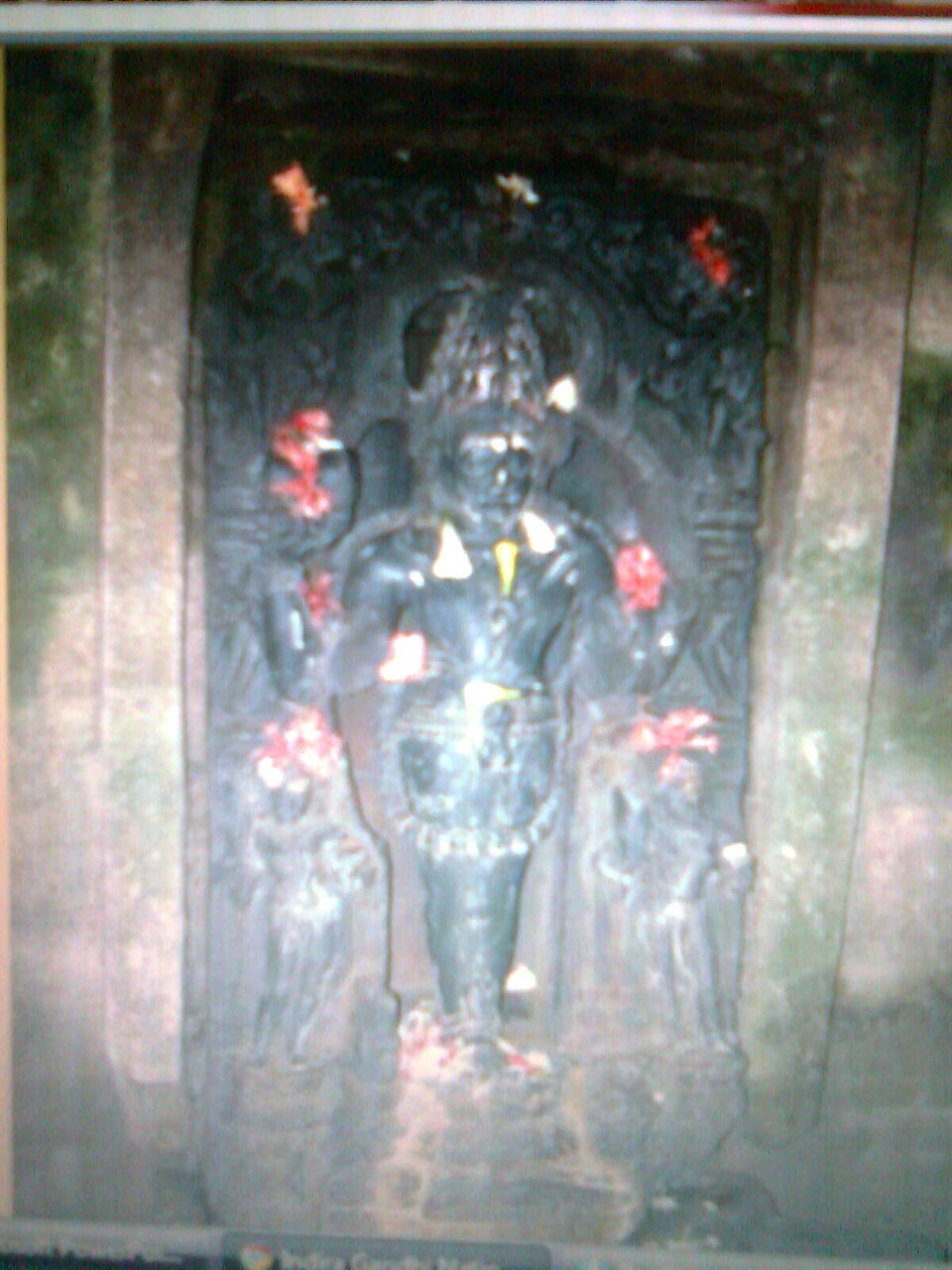
Ekapada Bhairava
- Historical Importance As A 10th-Century Construction.
- Religious Significance As A Shrine To Ekapada Bhairava.
Somavamsi Keshari Kings
Somavamsi Keshari Kings
- Image of Bhairava With One Foot and Four Hands
River Alaka
About Ajaikapada Bhairava Temple
The Ajaikapada Bhairava Temple is a Hindu temple situated in the Jagatsinghpur district of Odisha, India, dedicated to Ekapada Bhairava, a form of the deity Shiva. The temple's history dates back to the early 10th century when it was originally constructed by the Somavamsi Keshari Kings of Orissa. This ancient structure, however, did not survive intact; it was later destroyed by a combination of natural calamities, including floods, and invasions by Muslim forces.
Reconstruction and Current State
The present temple structure, a small Pidha deula, was rebuilt in the early 20th century. Despite the reconstruction of the outer edifice, the sanctum, or Garbhagriha, continues to house the sacred image of Bhairava and a Shivalinga. The image of Bhairava is notable for its depiction with a single foot and four hands, though the lower two hands are reported as broken. The upper hands hold disc-shaped objects. The deity is also recognized as the ruling deity of the astrological star Pūrva Bhādrapadā.
Location and Context
The Ajaikapada Bhairava Temple is located approximately 6 kilometers from Alanahat, in Sathalapada, Jagatsinghpur. It lies in proximity to the River Alaka, which is a distributary of the larger Mahanadi River. Direct transportation routes are available from Nuagaon, facilitating access to the site.
Source: Wikipedia ↗
Frequently Asked Questions
When was the Ajaikapada Bhairava Temple originally built?
The original Ajaikapada Bhairava Temple was built during the early 10th century. It was constructed by the Somavamsi Keshari Kings of Orissa.
What happened to the original temple structure?
The original temple was destroyed due to a combination of natural disasters, specifically floods, and attacks by Muslim invaders. This led to its eventual ruin.
When was the current temple at Jagatsinghpur constructed?
The present temple structure, a small Pidha deula, was rebuilt during the early 20th century. This reconstruction followed the destruction of the original temple.
What deities are housed in the Ajaikapada Bhairava Temple?
The Garbhagriha (sanctum) of the temple houses the image of Bhairava, an aspect of Shiva, and a Shivalinga. The Bhairava image is depicted with one foot and four hands.
Where is the Ajaikapada Bhairava Temple located?
The temple is situated in the Jagatsinghpur district of Odisha, India. It is located near the River Alaka, which is a branch of the Mahanadi River.
Related Temples (Hindu)

Agroha Dham
Agroha Dham is a significant Hindu temple complex located in Agroha, Haryana, India, with construction completed in 1984. The central and main temple is dedicated to the goddess Mahalakshmi, with other wings honoring Saraswati and Maharaja Agrasena. The complex is a modern reconstruction built on historical grounds important to the Agrawal community.

Shiva temple, Kera
The Shiva temple, Kera, also known as the Lakheshwara temple of Kerakot, is an ancient Hindu temple located in Kera village, near Bhuj in Gujarat, India. Built during the later part of the 10th century under the Chaulukya dynasty, it is dedicated to the deity Shiva and is renowned for its well-preserved spire and intricate sculptures, despite significant damage from historical earthquakes.

Astasambhu Siva Temples
The Astasambhu Siva Temples are a collection of eight identical Hindu temples dedicated to Lord Shiva, located in Bhubaneswar, Odisha, India. Built around the 10th century AD, these temples are constructed from coarse grey sandstone and feature the Rekha Deul architectural style, characteristic of Kalingan construction.