
Timon the Deacon
April 19·1st century·Syria
Timon the Deacon was one of the Seven Deacons chosen by the early Christian church to ensure equitable distribution of resources. He is remembered as a martyr who, according to tradition, suffered greatly for his faith in various locations. His veneration spans multiple Christian traditions, with his feast day observed on different dates.
Key Facts
- ›Timon was one of the seven Deacons appointed to serve the early Christian church.
- ›He is believed to have been a Hellenistic Jew based on his common Greek name.
- ›Tradition states he became the bishop of Bostra in Syria, appointed by the apostles.
- ›According to one tradition, he was thrown into a fire by a local governor.
- ›Roman Catholic tradition suggests he was crucified in Corinth.
- ›He is venerated as a saint by the Catholic, Eastern Orthodox, and Coptic Orthodox Churches.
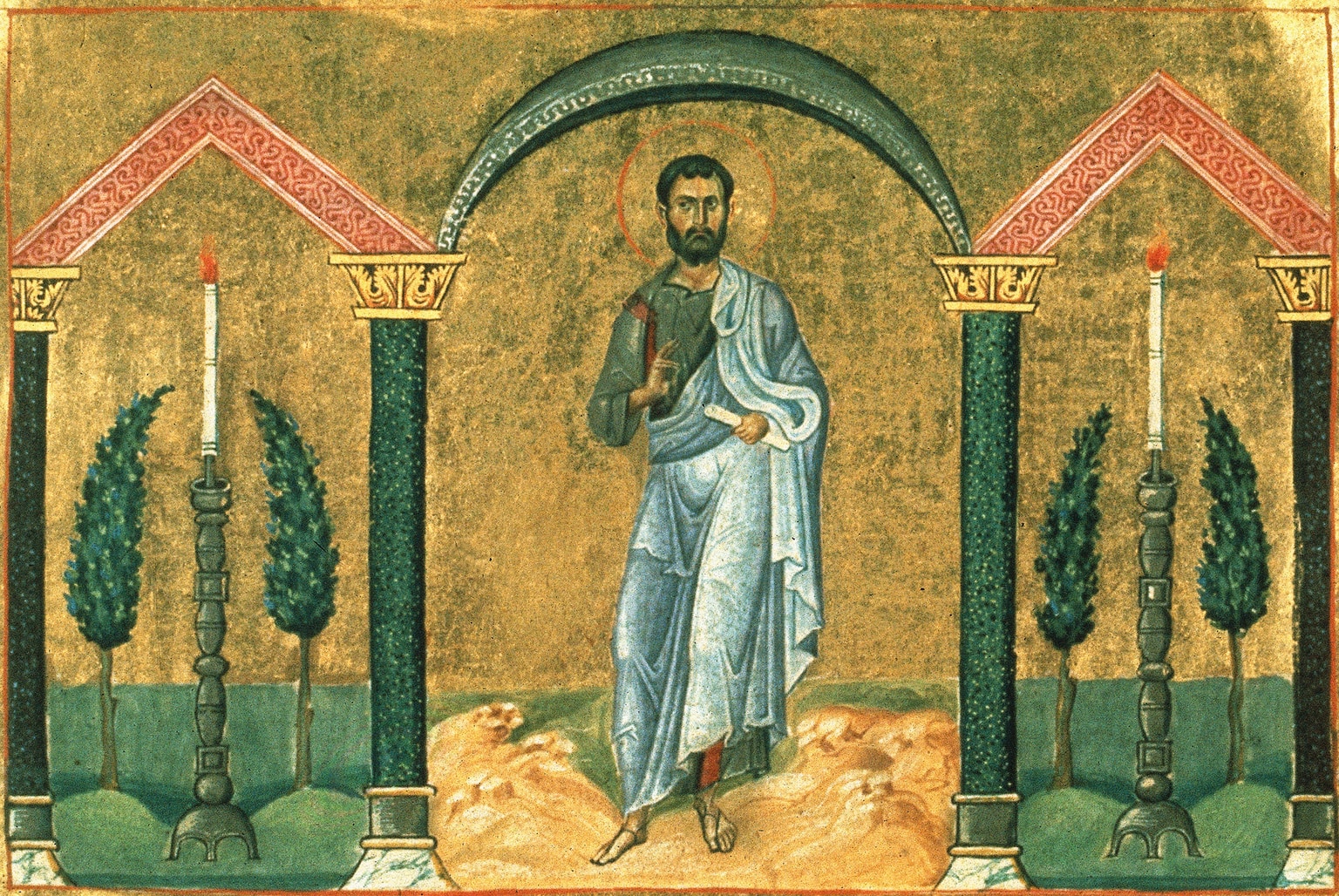
About Timon the Deacon
Timon the Deacon was an early Christian figure, recognized as one of the Seven Deacons appointed to serve the nascent church. His name, Timon, is of Greek origin and signifies someone honorable, leading scholars to surmise he was a Hellenistic Jew.
Life and Ministry
The primary biblical account of Timon appears in the sixth chapter of the Acts of the Apostles. During the early days of Christianity, Hellenistic Jews raised concerns about being overlooked in food distribution. In response, the apostles selected seven men of good reputation, filled with the Holy Spirit and wisdom, to address this issue. These seven men became known as the Seven Deacons, considered forerunners of the diaconate office in modern churches. Timon is listed as the fourth among these seven, alongside Stephen, Philip, Prochorus, Nicanor, Parmenas, and Nicholas.
Beyond this biblical mention, further details about Timon's life are preserved through tradition. One tradition suggests he was among the seventy disciples sent out by Jesus, as recorded in the Gospel of Luke. Eastern Christian tradition holds that he was appointed bishop of Bostra in Syria by the apostles. These traditions often depict him as facing significant persecution from both Jews and pagans due to his Christian preaching.
Martyrdom and Veneration
Accounts of Timon's martyrdom vary. One tradition describes him being thrown into a fire by a local governor who was angered by his preaching. Roman Catholic tradition offers a different narrative, stating that Timon preached in Haleb and Beroea, survived being cast into a fire in Corinth, but was ultimately crucified. Some sources indicate he served as bishop of Corinth until his martyrdom, with his death dated to approximately AD 44. Other traditions place his death in Philippi, Greece.
Timon the Deacon is venerated as a saint across multiple Christian traditions, including the Catholic Church, the Eastern Orthodox Church, and the Coptic Orthodox Church. His feast day is observed on April 19th in the Western Church and on December 30th in the Eastern Church, with an additional commemoration on July 28th in the East.
Source: Wikipedia ↗
Frequently Asked Questions
Who was Timon the Deacon?
Timon the Deacon was one of the Seven Deacons appointed by the apostles in the early Christian church. His primary role was to assist in the equitable distribution of resources to the community.
What is Timon the Deacon remembered for?
Timon is remembered as a martyr who suffered greatly for his faith. Traditions describe him preaching Christ and facing severe persecution, leading to his death.
Where did Timon the Deacon minister?
According to tradition, Timon served as bishop of Bostra in Syria and also ministered in Corinth. Some accounts place his death in Philippi, Greece.
How did Timon the Deacon die?
Different traditions offer varying accounts of his martyrdom. One tradition states he was thrown into a fire, while Roman Catholic tradition suggests he was crucified.
When is Timon the Deacon's feast day?
Timon the Deacon's feast day is celebrated on April 19th in the Western Church and on December 30th in the Eastern Church. He is also commemorated on July 28th in the East.
Related Saints

Peter
Saint Peter, born Shimon bar Yonah, was one of the Twelve Apostles of Jesus and a foundational leader of the early Christian Church. He is prominently featured in the New Testament Gospels and Acts, and is traditionally regarded as the first bishop of Rome and Antioch. Peter is chiefly remembered for his confession of Jesus as the Messiah, his role as a witness to the resurrected Christ, and his crucifixion in Rome.
Peter the Apostle
Peter the Apostle, originally named Shimon bar Yonah, was one of Jesus' Twelve Apostles and a principal leader of the early Christian Church. He is remembered for his prominent role in the Gospels and Acts, his confession of Jesus as the Messiah, and his traditional founding of the Churches of Antioch and Rome. Catholic and Orthodox traditions consider him the first bishop of Rome and believe he was martyred in Rome under Emperor Nero.
Dismas
Dismas, also known as the penitent thief, is one of two unnamed thieves crucified alongside Jesus, as recounted in the Gospel of Luke. He is venerated as a saint for his plea to Jesus to "remember him" when he comes into his kingdom, a moment of faith recognized as a pivotal act of repentance.