
Nicetas the Stylite
Nicetas the Stylite was a 12th-century monk and founder of the Monastery of St. Nicetas in Kievan Rus'. He is remembered for his profound conversion from a dissolute youth to an ascetic life, binding himself in chains and living within a pillar. Nicetas was canonized as a saint in the Eastern Orthodox Church and is venerated for his healing abilities.
Key Facts
- ›Nicetas was a 12th-century monk in Kievan Rus'.
- ›He founded the Monastery of St. Nicetas on the eastern shore of Lake Pleshcheyevo.
- ›He experienced a profound conversion after hearing the words of the Prophet Isaiah.
- ›He lived an ascetic life, binding himself in chains and enclosing himself within a pillar.
- ›Nicetas was known as a healer.
- ›He was killed during a robbery in 1186.
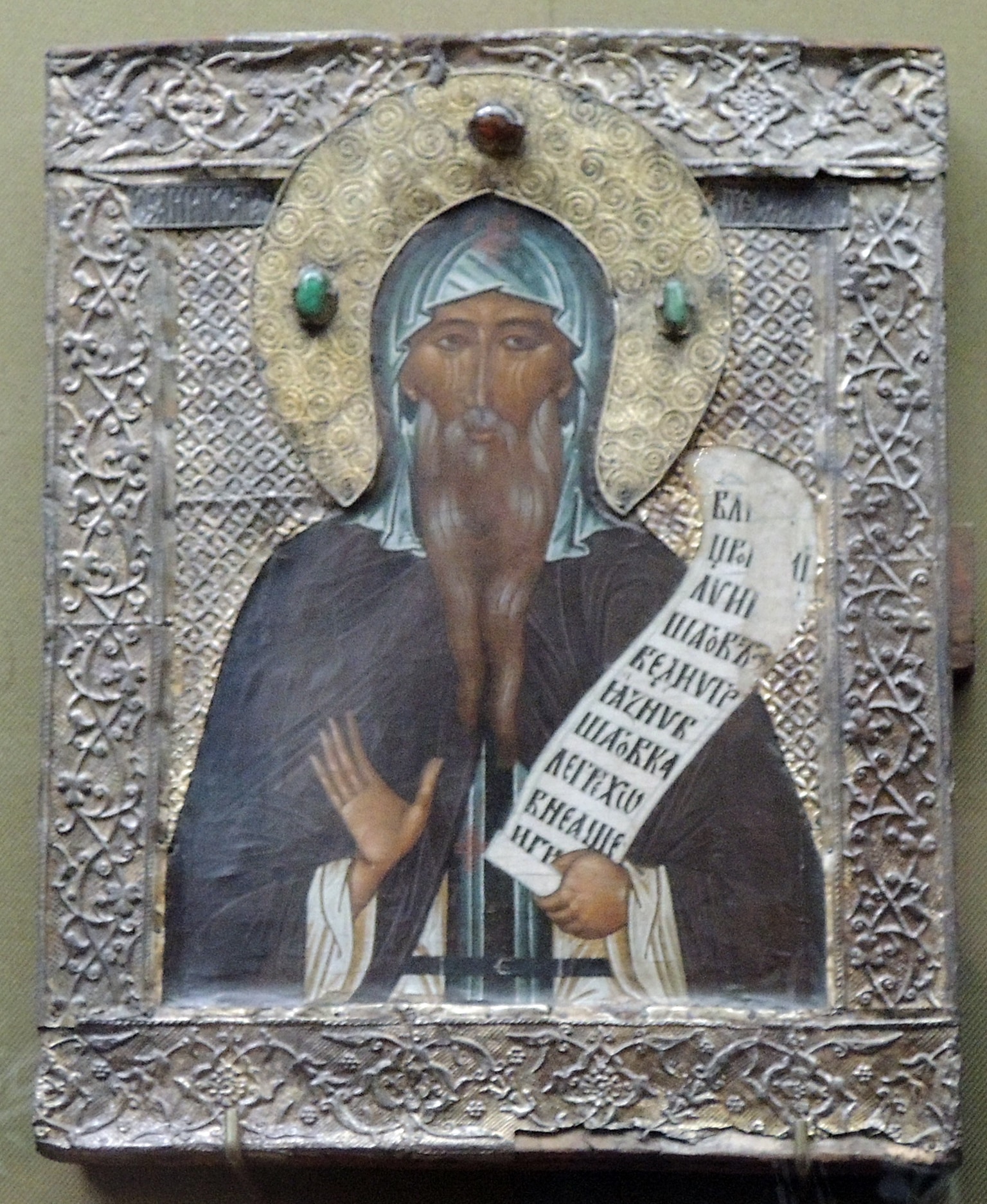
Nikita Stylites
Chains, Pillar
About Nicetas the Stylite
Nicetas the Stylite, also known as Nikita Stylites, was a notable 12th-century monk who lived in Kievan Rus'. His life is primarily remembered for his dramatic spiritual transformation and his ascetic practices, which led to his veneration as a saint within the Eastern Orthodox Church. He is credited with founding the Monastery of St. Nicetas, located on the eastern shore of Lake Pleshcheyevo in the region of Zalesye.
Life and Spiritual Development
Historical accounts suggest that Nicetas led a dissolute life in his youth. However, a pivotal moment in his life occurred when he heard the words of the Prophet Isaiah (1:16) in church: 'Wash you (of your sins), make you clean;'. This biblical passage profoundly impacted his soul, leading to a significant conversion. Following this spiritual awakening, Nicetas renounced his worldly possessions and embraced an ascetic way of life near Pereyaslavl.
His commitment to asceticism was particularly severe, as he bound himself in chains and enclosed himself within a pillar, a practice that earned him the epithet 'stylite'. This extreme discipline was accompanied by a reputation as a healer.
Death and Commemoration
Nicetas the Stylite's life came to an untimely end on May 16, 1186. He was killed during a robbery, with the perpetrators mistakenly believing that the hermit possessed silver chains. Despite the violent circumstances of his death, Nicetas was later canonized as a saint. His feast day is observed on May 24 each year by the Eastern Orthodox Church.
Source: Wikipedia ↗
Frequently Asked Questions
Who was Nicetas the Stylite?
Nicetas the Stylite was a 12th-century monk from Kievan Rus' who became known for his ascetic life and founding the Monastery of St. Nicetas. He is venerated as a saint in the Eastern Orthodox Church.
What is a stylite?
A stylite is a type of ascetic monk who lives a life of prayer and penance by standing or dwelling on top of a pillar. Nicetas adopted this practice, binding himself in chains and living within a pillar.
What led to Nicetas's conversion?
Nicetas underwent a profound conversion in his youth after hearing the words of the Prophet Isaiah in church: 'Wash you (of your sins), make you clean;'. This experience led him to abandon his former dissolute life.
How did Nicetas the Stylite die?
Nicetas the Stylite was killed in 1186 during a robbery. The thieves believed he possessed silver chains, which may have been a misunderstanding of his ascetic practice of binding himself in chains.
When is Nicetas the Stylite commemorated?
Nicetas the Stylite is commemorated by the Eastern Orthodox Church on May 24.
Related Saints
Nikon the Dry
Nikon the Dry was an 11th-century monk at the Kiev Pechersk Lavra in Kievan Rus' who endured brutal captivity by the Polovtsians for over three years. He is remembered for his intense fasting practices, which earned him the epithet "the Dry," and for his miraculous escape from enslavement. He was later canonized as a saint in the Eastern Orthodox and Eastern Catholic Churches.
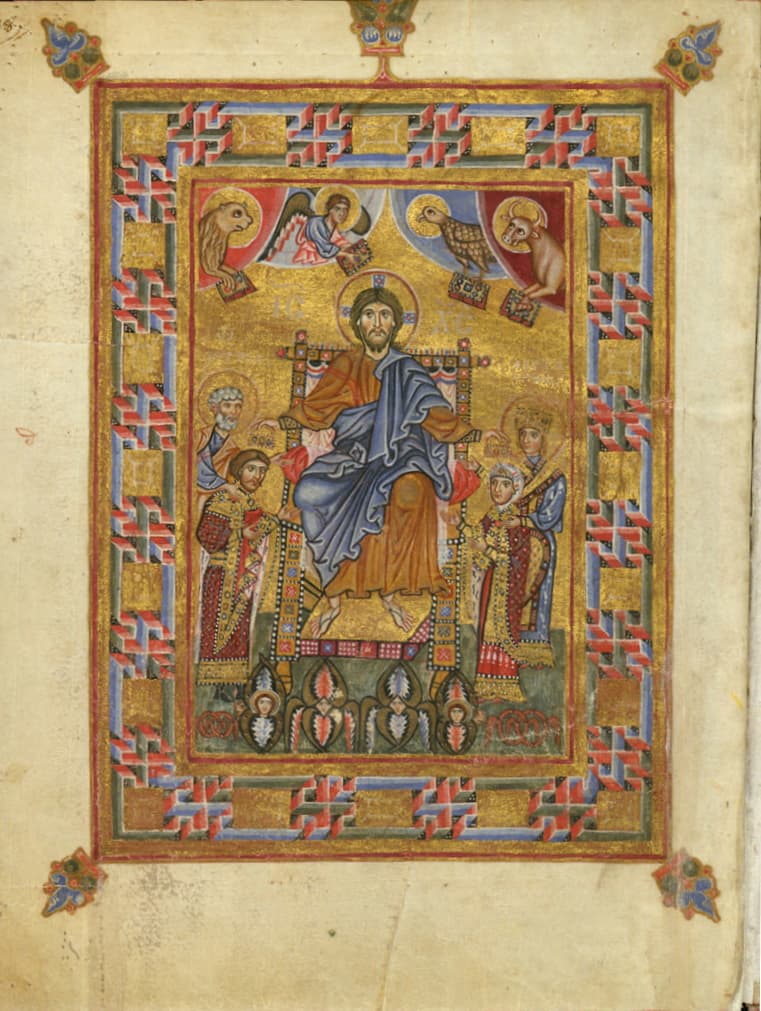
Yaropolk Izyaslavich
Yaropolk Izyaslavich was a prince of Turov and Volhynia in Kievan Rus' during the late 11th century. He is remembered for his diplomatic efforts seeking favor from the German emperors and the papal court on behalf of his exiled father, Iziaslav I of Kiev. Though his political career was marked by conflict and exile, he is venerated as a saint in the Eastern Orthodox Church.
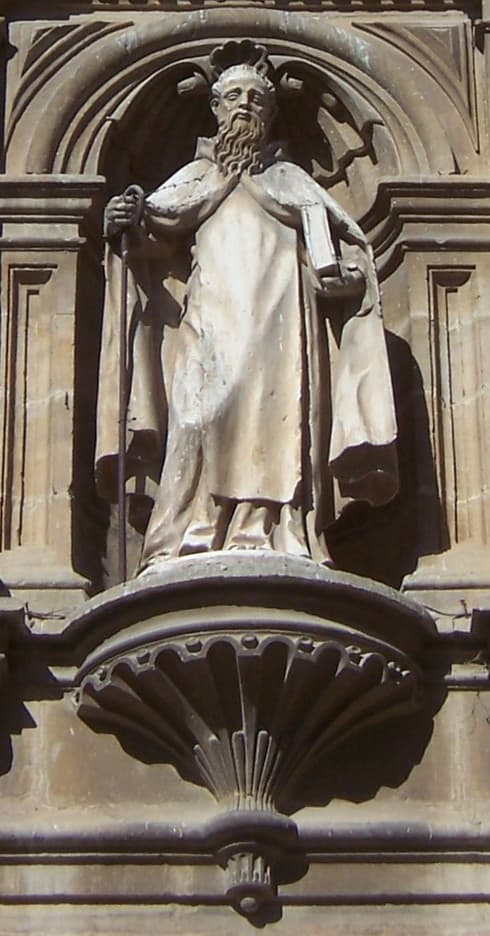
Dominic de la Calzada
Dominic de la Calzada was a Spanish saint and hermit known for his charitable works and the development of infrastructure along the Way of St. James. He is remembered for building bridges and causeways that aided pilgrims, and for the legendary miracle of the singing roasted chicken and rooster.