
Athanasios Parios
Athanasios Parios was a Greek hieromonk, theologian, and philosopher who played a significant role in the Modern Greek Enlightenment. He is particularly remembered as the second leader of the Kollyvades Movement and for his opposition to Western European ideas, which led to his condemnation and subsequent restoration within the Orthodox Church. He is commemorated as a saint by the Greek Orthodox Church.
Key Facts
- ›Athanasios Parios was born in Kostos, Paros, in 1722 and died in Chios in 1813.
- ›He was a prominent theologian, philosopher, educator, and hymnographer during the Modern Greek Enlightenment.
- ›He served as the second leader of the Kollyvades Movement, succeeding Neophytos Kausokalyvites.
- ›In 1776, he was condemned as a heretic, defrocked, and excommunicated but was later restored in 1781.
- ›He was the principal of a school in Chios from 1788 to 1811.
- ›He was canonized as a saint by the Orthodox Church in 1995.
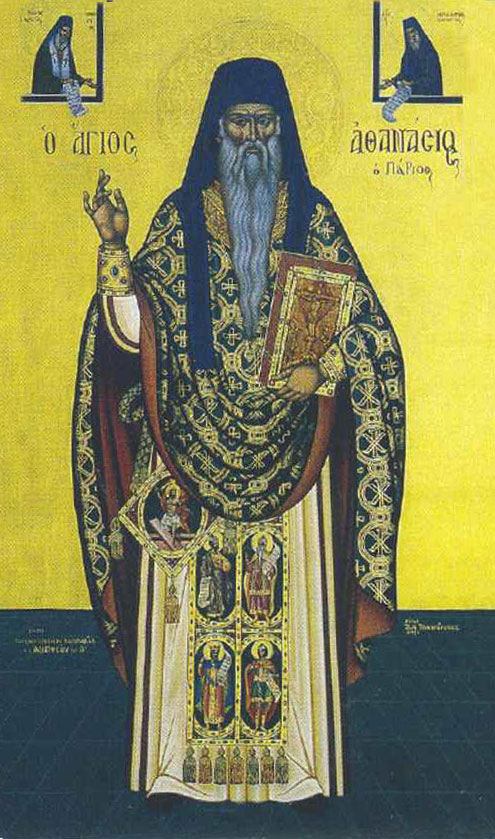
Athanasios of Paros
About Athanasios Parios
Athanasios Parios (1722–1813) was a significant Greek hieromonk, theologian, philosopher, educator, and hymnographer who emerged as a prominent figure during the Modern Greek Enlightenment. He is particularly noted for his role as the second leader of the Kollyvades Movement, a spiritual revivalist movement that emphasized frequent communion and the veneration of saints, succeeding Neophytos Kausokalyvites.
Life and Ministry
Born in Kostos, a village on the island of Paros, Athanasios received his early education there before seeking higher learning in Smyrna. He later studied at the Athonite Academy on Mount Athos under Neophytos Kausokalyvites and Eugenios Voulgaris, and subsequently at Corfu under Nikephoros Theotokis. He taught in Thessaloniki from 1767–1770 and later returned to the Athonite School as its director. His theological stances led to his condemnation and excommunication in 1776, but he was restored to the priesthood in 1781 after successfully defending himself. From 1788 to 1811, he served as the Principal of a school in Chios. He died in Chios in 1813 at the age of 90.
Theological Stance and Legacy
Despite his contributions to Orthodox theology and education, Athanasios Parios is viewed by some modern Greek critics as a reactionary Orthodox fundamentalist. He stood in opposition to Western European ideas, particularly those stemming from the French Revolution, and was an opponent of influential figures like Rigas Feraios and Adamantios Korais. His works include theological analyses, apologies, and a theology textbook co-authored with Saint Makarios of Corinth. He was canonized as a saint by the Greek Orthodox Church in 1995, and is commemorated on June 24.
Source: Wikipedia ↗
Frequently Asked Questions
When and where was Athanasios Parios born?
Athanasios Parios was born in the village of Kostos on the island of Paros in 1722. Some sources suggest alternative birth years ranging from 1721 to 1725, but 1722 is commonly accepted.
What was the Kollyvades Movement?
The Kollyvades Movement was a spiritual movement in the 18th century that emphasized frequent communion and the veneration of saints. Athanasios Parios was its second leader, succeeding Neophytos Kausokalyvites.
What were Athanasios Parios's views on Western European ideas?
Modern Greek critics consider Athanasios Parios a reactionary Orthodox fundamentalist who was an enemy of the Western European ideas of the French Revolution. He was also an opponent of prominent figures like Rigas Feraios and Adamantios Korais.
Was Athanasios Parios ever condemned by the Church?
Yes, in 1776, Athanasios Parios was condemned as a heretic, defrocked, and excommunicated by Patriarch Sophronios II and the Holy Synod of Constantinople. However, he successfully defended himself and was restored to communion and the priesthood in 1781.
When was Athanasios Parios canonized?
Athanasios Parios was canonized as a saint by the Orthodox Church in 1995.
Related Saints
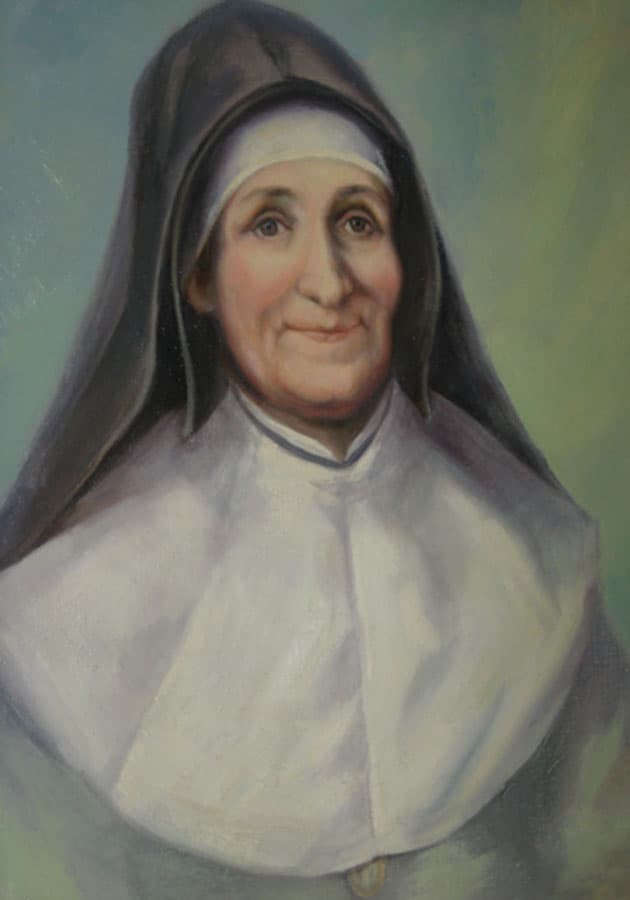
Julie Billiart
Julie Billiart was a French Catholic nun, educator, and the cofounder of the Sisters of Notre Dame de Namur. Despite suffering from paralysis and temporary speech loss, she dedicated her life to the education of young girls, especially the poor. She is remembered for her deep faith, prayer, and the establishment of a religious congregation that continues to educate and serve worldwide.
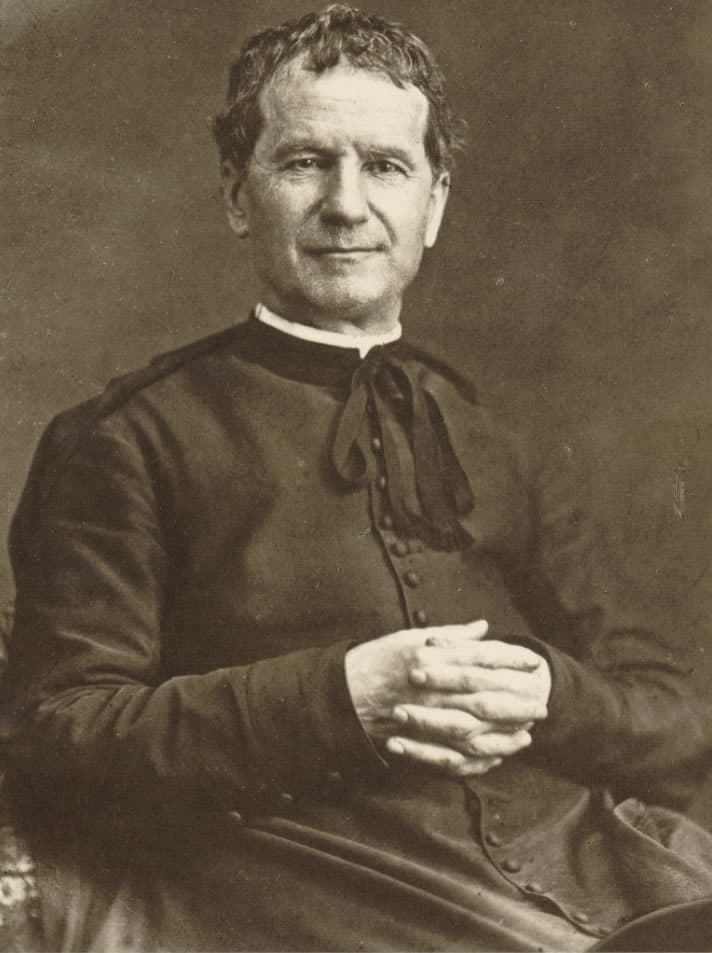
John Bosco
John Bosco was an Italian Catholic priest, educator, and writer dedicated to the betterment and education of disadvantaged youth. He developed the Salesian Preventive System, a method of teaching based on love rather than punishment. Bosco is chiefly remembered for founding the Salesians of Don Bosco and the Institute of the Daughters of Mary Help of Christians, which continue his work with young people.
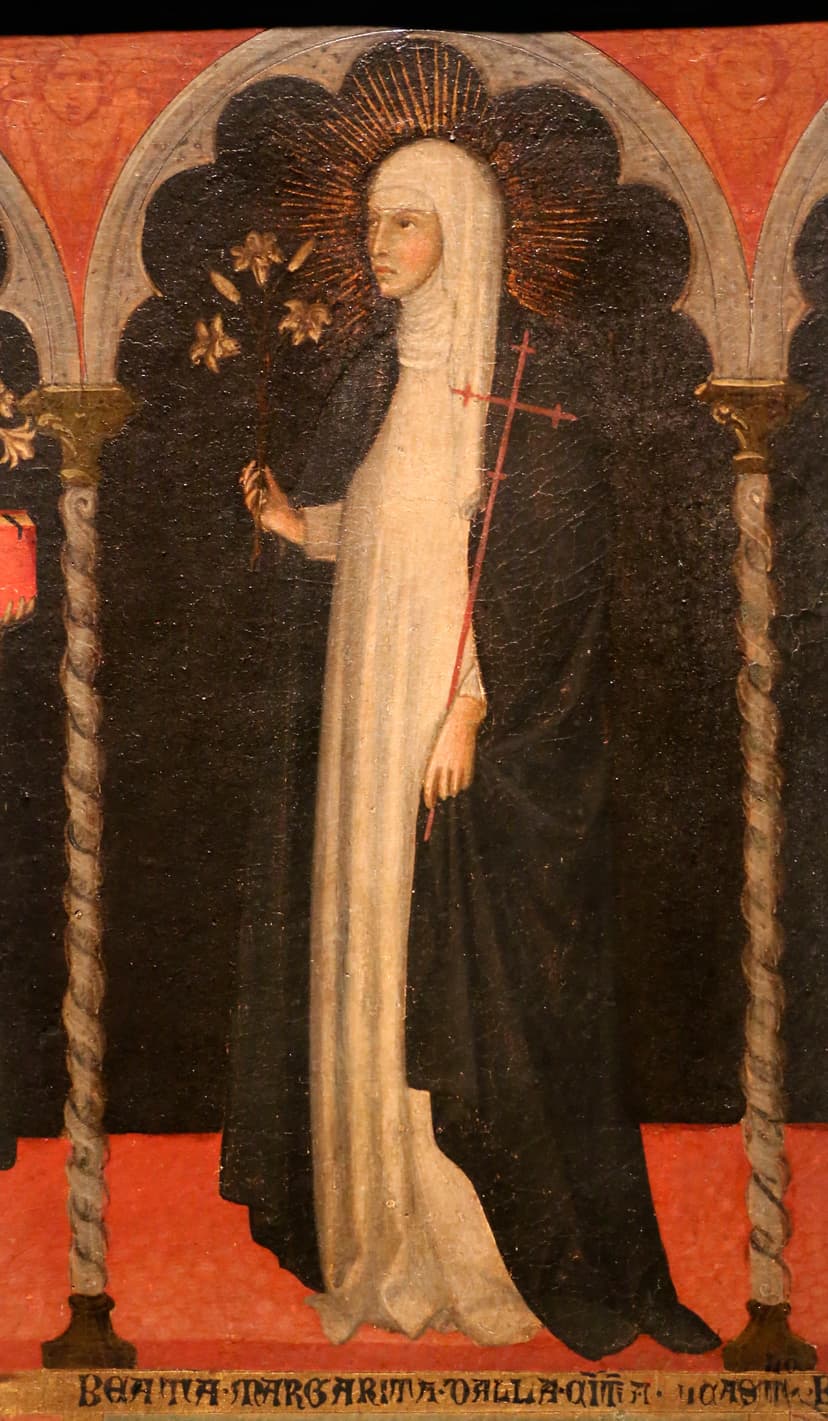
Margaret of Castello
Margaret of Città di Castello was an Italian Catholic educator and Dominican tertiary, born in 1287, known for her profound faith and holiness despite being born blind with significant physical disabilities. Abandoned by her parents, she was cared for by the poor and later became a Dominican tertiary, dedicating her life to teaching children and caring for them.