
Ten Putte Abbey
Ten Putte Abbey, also known as Saint Godelina Abbey, is a monastery located in Gistel, Belgium. Founded between 1137 and 1171, it has a complex history marked by destruction during religious wars and subsequent reconstructions. The abbey is significant as the site where Saint Godelina was murdered in 1070, and it has been associated with Benedictine nuns for much of its existence, currently housing the "Mother of Peace" community.
Key Facts
- ›Founded between 1137 and 1171, during the twelfth century.
- ›Site of the martyrdom of Saint Godelina in 1070.
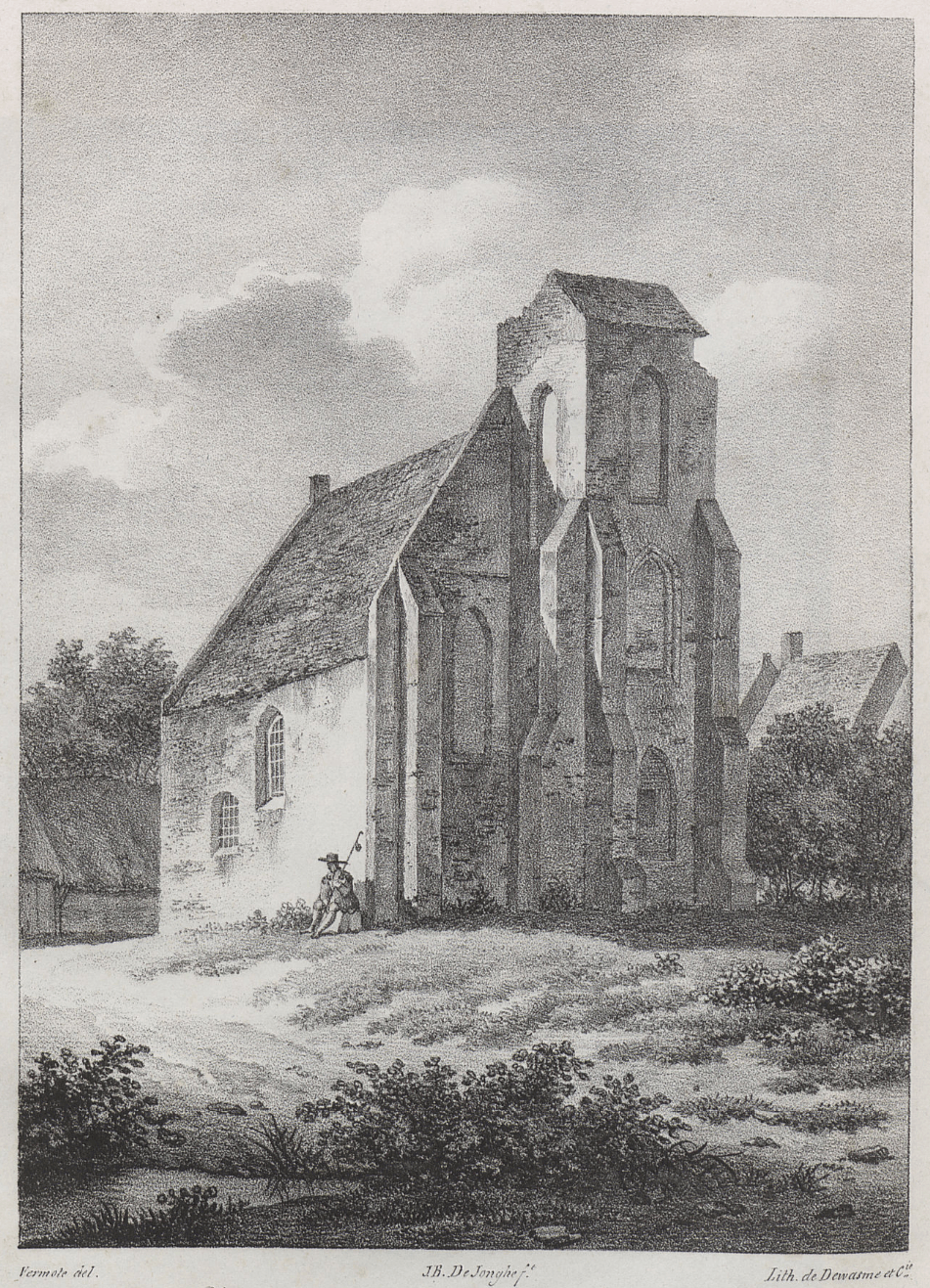
- ›Destroyed by bandits in 1578, leaving only the 14th-century tower standing.
- ›Rebuilt in the neo-Gothic style under architect Jean-Baptiste Bethune in the late 19th century.
- ›Currently inhabited by the "Mother of Peace" community since 2007.
Neo-Gothic
- the Pond Where Saint Godelina Was Murdered, Enclosed As A Well
- the Dungeon Where Saint Godelina Is Said To Have Been Incarcerated
- the Chapel Where Saint Godelina Is Believed To Have Performed A Miracle
- the Abbey Church
- A Small Museum Dedicated To Saint Godelina
- the 14th-Century Tower Remnant
Saint Godelina Abbey
Saint Godelina, Edith, Bertolf of Gistel, Jean-Baptiste Bethune, Arthur De Geyter, Bernard Debeuf
- Murder of Saint Godelina
- Founding of the Benedictine Monastery
- Attack and Destruction By Bandits
- Reconstruction of the Abbey Church
- Rebuilding and Consecration of the Neo-Gothic Monastery
- Transition To the "Mother of Peace" Community
About Ten Putte Abbey
Ten Putte Abbey, also referred to as Saint Godelina Abbey, is a significant religious site located in Gistel, Belgium, situated about 8 kilometers south of Ostend. Its historical importance is deeply tied to the martyrdom of Saint Godelina, who was murdered and thrown into a pond on the site in 1070. The abbey itself was founded between 1137 and 1171, with monastic records confirming its establishment during the twelfth century.
History and Reconstruction
The abbey has endured a tumultuous history, notably suffering extensive destruction in 1578 during religious wars when an army of bandits attacked and left it in ruins, with only the fourteenth-century tower surviving. The Benedictine nuns who resided there were forced to relocate to Bruges. The abbey church was reconstructed in 1614/15 and became a pilgrimage destination, especially during July when Saint Godelina's Day is celebrated. The rest of the site remained in ruins for an extended period.
In 1889, architect Jean-Baptiste Bethune acquired the remains of the chapel and estate, leading to the return of nuns and a significant rebuilding effort. The monastery was consecrated in a neo-Gothic style in 1891, with only the shell of the old tower preserved. The site was restored to the status of a Priory and later became an Abbey again in 1934. Further extensive building developments occurred between 1952 and 1958 under architect Arthur De Geyter.
Current Community and Visitor Access
Before 2007, the abbey housed nine Benedictine nuns. Since that year, it has been occupied by brothers and sisters of the "Mother of Peace" community, a Marian-Christian order established in 1992. Parts of the abbey are accessible to visitors, including the pond associated with Saint Godelina, the dungeon where she was reputedly held, the chapel where a miracle is believed to have occurred, the Abbey Church, and a recently renovated museum dedicated to the saint.
Source: Wikipedia ↗
Frequently Asked Questions
When was Ten Putte Abbey founded?
Ten Putte Abbey was founded at some point between 1137 and 1171, during the twelfth century. This founding is traditionally attributed to Edith, the daughter of Saint Godelina, who became the first abbess of the Benedictine monastery for nuns.
What is the historical significance of Ten Putte Abbey?
The abbey is significant as the location where Saint Godelina was murdered in 1070. It also served as a Benedictine monastery for nuns for many centuries and has been rebuilt multiple times after periods of destruction.
What happened to Ten Putte Abbey during the religious wars?
During the religious wars in the second half of the 16th century, Ten Putte Abbey was attacked by bandits on October 12, 1578, and left in ruins. Only the fourteenth-century tower remained standing, and the nuns abandoned the site.
Who lives at Ten Putte Abbey today?
Since 2007, Ten Putte Abbey has been home to brothers and sisters of the "Mother of Peace" community. This order was established in 1992 and recognized by the Bishop of Bruges in 1998.
Can visitors access parts of Ten Putte Abbey?
Yes, parts of the abbey are sometimes open to visitors. These areas include the pond where Saint Godelina was thrown, the dungeon where she was reportedly incarcerated, the chapel where she is believed to have performed a miracle, the Abbey Church, and a small museum dedicated to the saint.
Related Monasteries

Averbode Abbey
Averbode Abbey is a Premonstratensian monastery in Belgium with a history dating back to its founding around 1134. Throughout its existence, it has experienced periods of growth, suppression, and reestablishment, notably serving as a leading children's publisher in Belgium during the 20th century. The abbey church is a distinct blend of Baroque and Gothic architectural styles, constructed with local sandstone.

Grimbergen Abbey
Grimbergen Abbey is a Premonstratensian monastery located in Grimbergen, Belgium, with a history dating back to its establishment in 1128. Although dissolved during the French Revolution, it was later reinstated, and its current buildings largely date from a 1660 reconstruction. The abbey is also recognized for its historical association with cheese, bread, and beer production.

Orval Abbey
Orval Abbey is a historic Cistercian monastery located in the Gaume region of Belgium, with a rich spiritual and architectural heritage dating back to the 12th century. Despite suffering significant destruction throughout its history, including fires and wartime pillaging, the abbey was re-established in the late 19th century and continues its monastic life. Today, it is renowned not only for its religious significance but also for its production of the Trappist beer Orval and a distinctive cheese.