
Stubber Priory
Stubber Priory was a small Benedictine nunnery located in west central Jutland, Denmark, near Ringkøbing. Established likely between 1190 and 1220, the priory was situated on an island in Stubber Lake, connected by a causeway. Despite its small size of perhaps 10-20 nuns, it owned numerous farms and several churches. The priory was dissolved in 1547 following the Reformation, and its buildings were eventually dismantled for materials, though remnants and a private residence now occupy parts of the original site.
Key Facts
- ›Founded as a Benedictine nunnery in western Jutland, Denmark.
- ›Located on an island in Stubber Lake, now part of the mainland.
- ›First mentioned by name in 1268, with probable founding between 1190-1220.
- ›Dissolved in 1547, with the last nuns leaving in 1546.
- ›The priory buildings were later dismantled for brick and stone.
- ›Parts of the foundations and a vaulted cellar room from C. 1400 still exist.
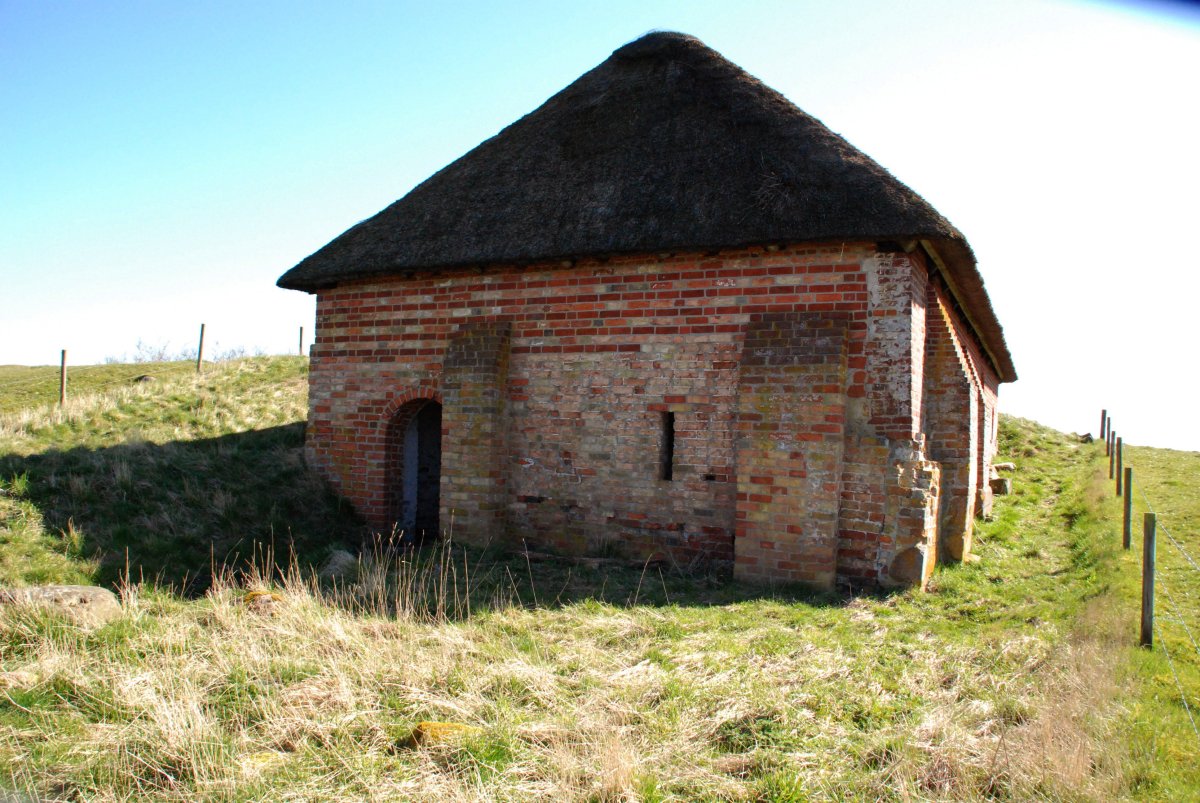
Vaulted Cellar Room From C. 1400, Exposed Foundations, Original Island Location In Stubber Lake
Stubthorp, Stubbaer, Stubre, Stubber Farm
Helm of Stubbethorp, Prioress Christine, Prioress Christine Palsdatter, Prioress Else, Jep Thomsen, Prior Peter, Mogens Kaas, Niels Juel, Iver Juel
Dissolution In 1547, Sale of the Estate After 1546
About Stubber Priory
Stubber Priory was a small Benedictine nunnery situated in the remote sand hills of western Jutland, Denmark, near Ringkøbing. Its precise founding date remains elusive due to lost records, but it is believed to have been established between 1190 and 1220, likely on land donated by Helm of Stubbethorp. The priory complex was constructed on an island within Stubber Lake, connected to the mainland by an earthen causeway; today, the lake has partially filled in, and the site is part of the mainland.
History and Context
The priory is first documented by name in a letter from 1268. While the specific monastic order is not definitively stated in surviving documents, evidence, particularly land records from its post-Reformation sale, strongly suggests it operated under the Benedictine Order, although a Cistercian affiliation cannot be entirely ruled out. The priory was managed by a prioress, with a prior often a local noble responsible for the estate's income to support the nuns. Surviving historical mentions include prioresses like Christine and Christine Palsdatter, and the last prioress, known as "old" Else.
By the time of the Reformation, Stubber Priory had accumulated significant landholdings and revenues from numerous farms and several churches, enabling its approximately 10-20 nuns to maintain a religious life without performing manual labor. The Reformation, however, marked the end of the priory. It persisted longer than many other monastic houses due to its isolated location. In 1547, it was dissolved, and the priory and its estate became crown property. After the last nuns departed in 1546, the estate was sold off, and the priory buildings were subsequently dismantled for building materials. The site eventually became Stubber Farm (Stubbergård), and though the buildings fell into disrepair, parts of the foundations and a vaulted cellar room from the 15th century remain visible today, with a private residence built over sections of the original structure.
Source: Wikipedia ↗
Frequently Asked Questions
When was Stubber Priory founded?
Establishing the exact date for the founding of Stubber Priory is difficult due to a lack of records. However, it is probable that the land was donated by Helm of Stubbethorp sometime between 1190 and 1220.
What religious order was Stubber Priory a part of?
While the specific order is not always explicitly mentioned, several hints suggest that Stubber Priory was a Benedictine house. Evidence from land records after its sale indicates a transfer from Benedictine ownership.
What happened to Stubber Priory after its dissolution?
Following the Reformation, Stubber Priory was dissolved in 1547. The estate became crown property and was sold to local noblemen. The priory buildings were eventually dismantled for building materials, leaving only foundations and a cellar room.
Where was Stubber Priory located?
Stubber Priory was situated in Sevel Parish, Ginding Herred, in west central Jutland, Denmark, near Ringkøbing. It was originally built on an island in Stubber Lake, connected to the mainland by an earthen causeway.
What is left of Stubber Priory today?
Today, private residences have been built above parts of the original priory, including a vaulted cellar room dating from around 1400. Some foundations of the priory buildings are also exposed on the privately owned site.
Related Monasteries

Asserbo Charterhouse
Asserbo Charterhouse was a short-lived Carthusian monastery founded in the late 12th century by Bishop Absalon in North Zealand, Denmark. Despite its initial monastic purpose, it soon transitioned to being used as a farmhouse and later leased to noble families. The site was famously swallowed by drifting sands from the 15th century until the 18th century, with the ruins eventually excavated in the 19th century.

Essenbæk Abbey
Essenbæk Abbey was a Benedictine monastery in Denmark, established perhaps as a double monastery in or near Randers by Stig Tokesen (Hvide) in the 12th century. It later relocated and grew significantly in wealth and land ownership through donations, particularly from the Hvide clan. The monastery was eventually confiscated by the king in 1540 during the Reformation and later demolished, with its remaining structures and artifacts being the subject of archaeological investigation in the late 19th and early 20th centuries.

Antvorskov
Antvorskov Monastery was the principal Scandinavian headquarters of the Catholic Order of Saint John of Jerusalem, established in 1165 by King Valdemar the Great. It played a significant role as a major landowner in Denmark and a center for charitable activities, particularly for pilgrims and the sick. Following the Reformation, it transitioned into a royal residence and was later dismantled, with its materials repurposed and its lands sold off, leaving behind ruins that later became a subject of archaeological interest.