
Nun Appleton Priory
Nun Appleton Priory was a religious institution founded as a nunnery around 1150 near Appleton Roebuck, North Yorkshire, England. It operated until its dissolution in 1539. Following its dissolution, the site became the country estate of the Fairfax family, and the later Nun Appleton Hall, built by the 3rd Lord Fairfax, became the setting for Andrew Marvell's famous poem "Upon Appleton House."
Key Facts
- ›Founded as a nunnery around 1150 by Eustace de Merch and his wife.
- ›Dissolved in 1539.
- ›The site later became the country estate of the Fairfax family.
- ›Nun Appleton Hall was built in the late 1600s by Thomas, 3rd Lord Fairfax.
- ›The estate inspired Andrew Marvell's poem "upon Appleton House."
- ›The hall is a Grade II listed building.

Georgian
Nun Appleton Hall, Parkland, Grade Ii Listed Building
Eustace De Merch, the 1st Lord Fairfax of Cameron, the 3rd Lord Fairfax of Cameron, Andrew Marvell, Mary Fairfax, William Milner, Sir William Mordaunt Milner, William Beckett-Denison, Angus Holden, Sir Benjamin Dawson
- Founding of the Nunnery
- Dissolution of the Monasteries
- Construction of Nun Appleton Hall
- Inspiration For Andrew Marvell's "Upon Appleton House"
- World War Ii Occupation By London Maternity Hospital
About Nun Appleton Priory
Nun Appleton Priory was a religious establishment situated near Appleton Roebuck in North Yorkshire, England. It was founded as a nunnery around the mid-12th century, specifically circa 1150, by Eustace de Merch and his wife. The priory operated for several centuries before its dissolution in 1539, at which point the nuns were granted pensions.
Following the dissolution, the estate transitioned from religious use to a secular country estate. It became notably associated with the Fairfax family. The present Nun Appleton Hall, a Grade II listed building constructed of reddish-orange brick, was built in the late 1600s by Thomas, the 3rd Lord Fairfax of Cameron, a prominent commander during the English Civil War. The grounds and the house during his tenure served as the inspiration for Andrew Marvell's significant country house poem, "Upon Appleton House." The estate later underwent various ownership changes and alterations, including periods under the Milner and Dawson families, and was even used by the London Maternity Hospital during the Second World War. Renovation work on the hall has commenced in recent years.
Source: Wikipedia ↗
Frequently Asked Questions
When was Nun Appleton Priory founded?
Nun Appleton Priory was founded as a nunnery around the year 1150. The founding was initiated by Eustace de Merch and his wife.
When was Nun Appleton Priory dissolved?
The priory was dissolved in 1539. At the time of its dissolution, the nuns residing there were receiving pensions.
What happened to the site after the dissolution of the priory?
After the Dissolution of the Monasteries, the land became the country estate of the Fairfax family. The Fairfax family's association with the site led to the construction of Nun Appleton Hall.
Is Nun Appleton Hall still standing?
Yes, Nun Appleton Hall, built in the late 1600s, is still standing. It is a Grade II listed building and is constructed of reddish-orange brick with ashlar dressings and a Welsh slate roof.
What is the significance of Nun Appleton in literature?
The estate served as the inspiration for Andrew Marvell's renowned country house poem, "Upon Appleton House." Marvell was a tutor to Mary, the daughter of Thomas Fairfax, the commander during the English Civil War.
Related Monasteries
Bruern Abbey
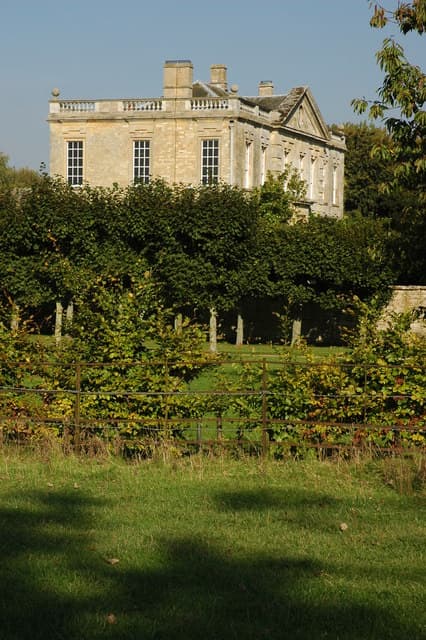
Bruern Abbey was founded in 1147 as a Cistercian monastery, facing financial difficulties throughout its history and notable for a scandal involving the purchase of the abbacy. Dissolved in 1536, its site later saw the construction of a Baroque country house. While no longer an active monastic community, remnants of the original abbey may exist within the grounds of the later estate.

Aldeby Priory
Aldeby Priory was a 12th-century Benedictine monastic house located in Aldeby, Norfolk, England. Initially established as a priory cell of Norwich Cathedral, it was founded by Agnes de Beaupré and her husband Hubert de Rye. The priory was dedicated to St. Mary and received confirmation of grants from Henry I, including the church and manor of Aldeby. Despite its modest size, it played a role in local administration and faced financial and structural issues in its later years before its dissolution.
Aldgate Priory
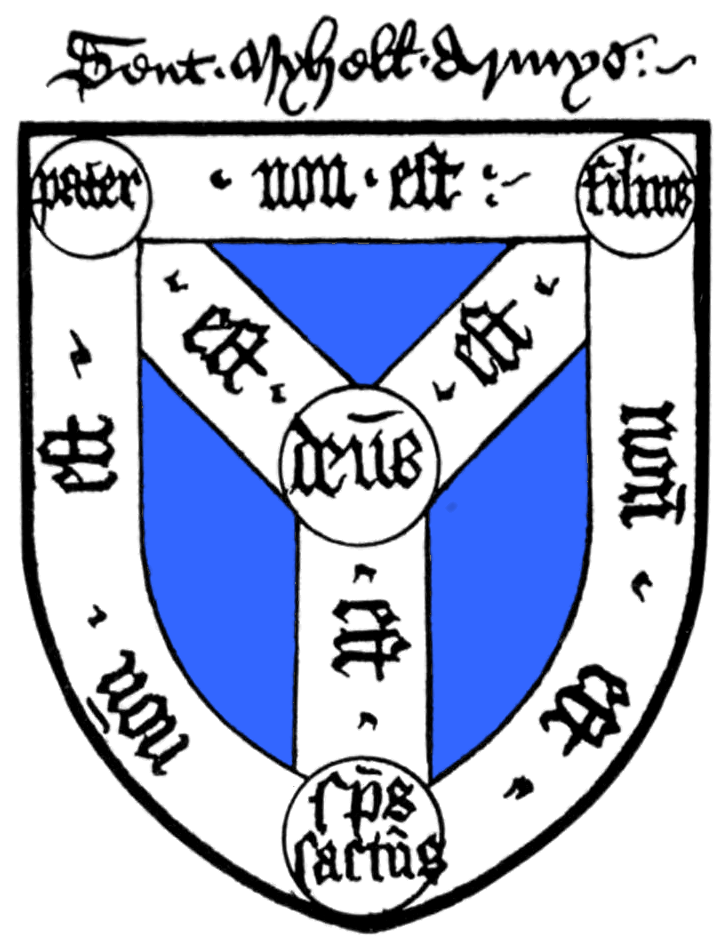
Holy Trinity Priory, also known as Christchurch Aldgate, was an Augustinian priory founded around 1108 by Queen Matilda of Scotland near Aldgate in London. It held significant ties to English royalty, with several queens maintaining a close relationship with the priory and some royal children buried there. The priory was a center of learning in the 12th century and played a role in civic life, with its prior serving as an Alderman of London. It was dissolved in 1532 and its buildings have since been largely lost, with only remnants surviving.