
Marienstern Abbey
Christian·Germany·Active community (Claretian missionary brothers)·13th century
Marienstern Abbey was a Cistercian nunnery founded in 1228 in Mühlberg, Brandenburg, Germany. It was secularized during the Reformation in 1539 and its church later reinstated as a parish church. Since 2000, the former abbey premises have housed a small community of Claretian missionary brothers.
Key Facts
- ›Founded in 1228 by Otto and Bodo of Ileburg.
- ›Originally a Cistercian nunnery.
- ›Secularized in 1539 during the Reformation.
- ›The abbey church is a Brick Gothic structure with Romanesque elements.
- ›Currently occupied by Claretian missionary brothers since 2000.
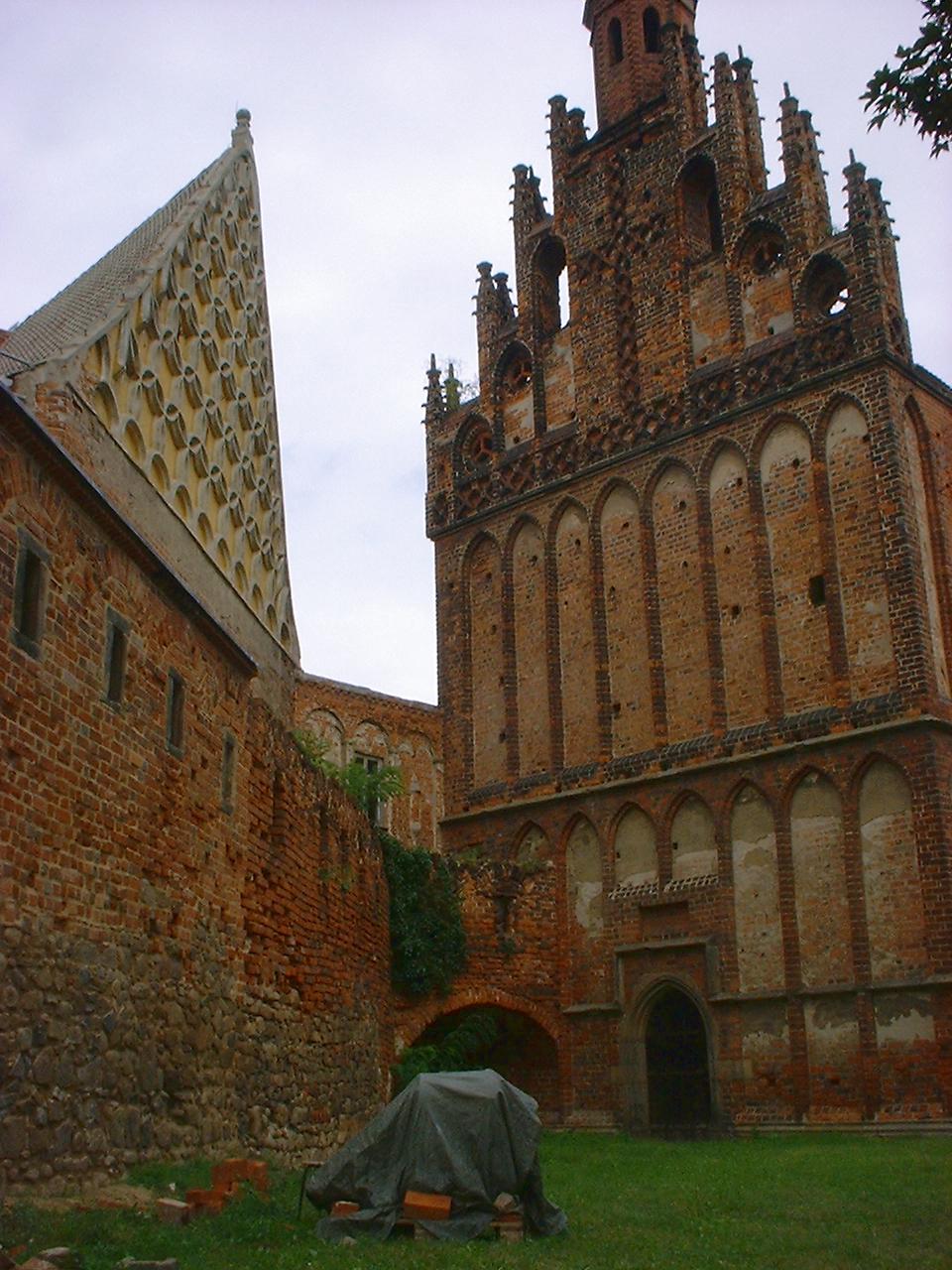
Brick Gothic, Romanesque
Single-Aisled Church, Refectory Dating From the 13th/14th Centuries
Kloster Marienstern, Kloster GüLdenstern
Otto of Ileburg, Bodo of Ileburg, Henry Iii, Margrave of Meissen
Founded In 1228, Secularized In 1539 During the Reformation
About Marienstern Abbey
Marienstern Abbey, also known historically as Kloster Güldenstern, is a former Cistercian nunnery located in Mühlberg, Brandenburg, Germany. Its establishment dates back to 1228, when it was founded by the brothers Otto and Bodo of Ileburg. The Margrave of Meissen, Henry III, provided support and granted consent to convert the local parish church into the monastic church for the new foundation.
History and Transformation
The monastic life at Marienstern Abbey came to an end in 1539 with its secularization during the Protestant Reformation. Following this, the abbey church, which had undergone several reconstructions after fires, was reinstated in 1565 as the parish church for Mühlberg's old town. The refectory, a structure originating from the 13th or 14th century, was later adapted for agricultural use in 1820. Significant restoration efforts on both the abbey church and the refectory began in 1992.
Current Status
Since the year 2000, the historical premises of Marienstern Abbey have been occupied by a small community of Claretian missionary brothers. While the abbey no longer functions as a Cistercian nunnery, it maintains a religious presence through the Claretian brothers.
Source: Wikipedia ↗
Frequently Asked Questions
When was Marienstern Abbey founded?
Marienstern Abbey was founded in 1228. It was established by the brothers Otto and Bodo of Ileburg.
What religious order was originally associated with Marienstern Abbey?
Marienstern Abbey was originally a Cistercian nunnery. The Cistercian order is known for its strict adherence to monastic rules.
What happened to Marienstern Abbey during the Reformation?
During the Reformation, Marienstern Abbey was secularized in 1539. This meant the religious institution was dissolved and its assets were taken over by secular authorities.
What is the current use of the former Marienstern Abbey premises?
Since the year 2000, the former abbey premises have been home to a small community of Claretian missionary brothers. They continue to utilize the historic site.
What architectural styles are present in the Marienstern Abbey church?
The abbey church at Marienstern is primarily a Brick Gothic structure. It also incorporates some Romanesque elements, reflecting different periods of its construction and renovation.
Related Monasteries

Abbey of the Holy Cross, Rostock
The Abbey of the Holy Cross in Rostock, Germany, was established in 1270 by Cistercian nuns, making it the city's sole fully preserved abbey. Originally a popular nunnery, it transitioned into a Lutheran "damsels' convent" after the Reformation. Today, the former abbey church serves as the University Church, and the convent buildings house the Museum of Cultural History.

Chorin Abbey
Chorin Abbey is a former Cistercian monastery located near Chorin, Brandenburg, Germany. Founded in 1258 by the Ascanian margraves, it played a significant role in extending the margraves' influence towards Slavic territories. After secularization in 1542 and subsequent decay, the ruins were partially restored and rebuilt in the early 19th century under the guidance of Karl Friedrich Schinkel, becoming a prime example of Brick Gothic architecture.

Güterstein Charterhouse
Güterstein Charterhouse was a significant monastery located in the Swabian Alb region of Germany. Initially founded as a Cistercian foundation in the 13th century, it later transitioned to Benedictine rule before being entrusted to the Carthusians in 1439. Under the Carthusians, it became a prominent and relatively large monastery, serving as a burial site for the Counts of Württemberg and producing notable printed works. Its existence concluded with the Reformation in 1535.