
Louvain-la-Neuve
Louvain-la-Neuve is a planned town in Belgium, established to house the French-speaking Université catholique de Louvain (UCLouvain) following linguistic disputes in the 1960s. Designed with a focus on pedestrian accessibility, its city center is built on a concrete slab with vehicular traffic routed underground. While initially conceived as an academic hub, it has diversified with cultural and commercial amenities, aiming for a balanced community beyond its student population.
Key Facts
- ›Founded as a planned town to relocate the French-speaking portion of the Catholic University of Leuven.
- ›Construction began in 1969 on a 9 km² plot of farmland.
- ›Features a unique urban design with a car-free city center built on a concrete slab ('la dalle').
- ›All town grounds are owned by the university.
- ›Hosts the Louvain-la-Neuve Science Park, the first and largest in Wallonia.
- ›The annual '24 heures Vélo' is a major student event and the largest student party in Belgium.

- the Concrete Slab Forming the Elevated City Center
- Underground Road Network For Vehicular Traffic
- Louvain-La-Neuve Science Park
- Hergé Museum
- Aula Magna Exhibition Centre and Auditorium
- L'Esplanade Shopping Complex
- Cinema Complex
- Five Museums
Li Noû LovéN
Raymond M. Lemaire, Jean-Pierre Blondel, Pierre Laconte, Georges Remi
- Leuven Crisis Leading To the Split of the Catholic University of Leuven
- Commencement of Construction On January 20, 1969
- Arrival of First Students and Inhabitants In 1972
- Cancellation of the 2016 '24 Heures VéLo' Due To Terrorist Attacks
- Death of A Student From the 'Dalle' In 1998 and 2006, Impacting the '24 Heures VéLo' Event
About Louvain-la-Neuve
Louvain-la-Neuve: A Planned University Town
Louvain-la-Neuve is a distinctive planned town located in Wallonia, Belgium, approximately 30 kilometers southeast of Brussels. Its genesis lies in the linguistic and political tensions of the 1960s, specifically the "Leuven Crisis," which necessitated the relocation of the French-speaking Université catholique de Louvain (UCLouvain) from its historic home in Leuven. The entire territory of Louvain-la-Neuve is owned by UCLouvain, which heavily influenced its conception and development.
Origins and Construction
The decision to create a new town for UCLouvain was made in 1968, leading to the purchase of a 9 km² plot of farmland near Ottignies. Construction commenced on January 20, 1969, under the direction of urban planners Raymond M. Lemaire, Jean-Pierre Blondel, and Pierre Laconte. The town was designed not only to house university facilities but also to foster a diverse community, aiming for a resident population of 30,000 in addition to its 15,000 students.
Urban Design and Lifestyle
A defining characteristic of Louvain-la-Neuve is its innovative urban planning, prioritizing pedestrians over automobiles. The town center is built upon a vast concrete slab, known as 'la dalle,' with all vehicular traffic relegated to an underground network. This design allows for extensive car-free zones at ground level, creating a unique pedestrian environment. The town is organized into several districts, with a focus on accessibility and a compact, walkable layout, envisioned as an early example of the 15-minute city concept.
Cultural and Economic Hub
While the university remains its core, Louvain-la-Neuve has expanded beyond its academic roots. The development of amenities such as the L'Esplanade shopping complex, the Aula Magna exhibition center, a large cinema, and several museums has diversified its offerings. The town is also home to the Louvain-la-Neuve Science Park, Belgium's first and Wallonia's largest, which promotes collaboration between industry and academia. The vibrant student life is exemplified by the annual "24 heures vélo," a major student festival and cycling event that draws large crowds and contributes to the town's dynamic atmosphere.
Source: Wikipedia ↗
Frequently Asked Questions
Why was Louvain-la-Neuve built?
Louvain-la-Neuve was built as a direct result of the Leuven Crisis in the 1960s, which led to the split of the Catholic University of Leuven. The French-speaking Université catholique de Louvain (UCLouvain) needed a new home, and this planned town was established to accommodate it.
What is unique about Louvain-la-Neuve's city planning?
A key feature of Louvain-la-Neuve's urban design is its pedestrian-centric approach. The town center is constructed on a large concrete slab, with all motorized traffic directed underground, creating extensive car-free areas at ground level.
Who owns the land in Louvain-la-Neuve?
The entire territory of Louvain-la-Neuve is owned by the Université catholique de Louvain (UCLouvain). This ownership allowed the university to play a significant role in the town's conception and planning.
What is the '24 heures vélo' event?
The '24 heures vélo' (24-hour bike ride) is Belgium's largest student party, celebrating its 40th edition in 2017. It draws tens of thousands of students annually for a cycling race and festival with various activities and concerts.
What is the Louvain-la-Neuve Science Park?
Established in 1971, the Louvain-la-Neuve Science Park is the first of its kind in Belgium and the largest in Wallonia. It fosters cooperation between the university and industry, focusing on areas like life sciences, fine chemistry, and information technologies.
What is the Hergé Museum?
The Hergé Museum is dedicated to the life and work of Georges Remi, known as Hergé, the creator of The Adventures of Tintin. Located in the center of Louvain-la-Neuve, it features permanent galleries showcasing original artwork and detailing Hergé's career.
Related Monasteries

Amay Priory
Chevetogne Abbey, also known as the Monastery of the Holy Cross, is a Catholic Benedictine monastery founded in 1925 by Dom Lambert Beauduin with the aim of promoting Christian unity, particularly between the Catholic and Eastern Churches. Originally established in Amay, the community relocated to Chevetogne in 1939, where it continues its ecumenical mission with separate Eastern and Western chapels and the publication of the journal Irénikon.

Ermeton Abbey
Ermeton Abbey is a Benedictine monastery for nuns located within a medieval castle in Ermeton-sur-Biert, Wallonia, Belgium. The community, originally founded in Brussels in 1917, moved to the castle in 1936 and purchased it in 1942. The abbey is known for its guesthouse and for founding two other abbeys in Germany and Mexico.
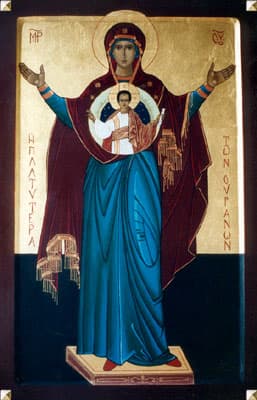
Klaarland Priory
Klaarland Priory, officially the Priory of Our Lady of Klaarland, is a Trappistine monastery located in Lozen, Bocholt, Belgium. Established in 1970 by six nuns from the Abbey of Our Lady of Nazareth at Brecht, it moved to its current site in Bocholt in 1975. The priory continues to operate under the authority of Brecht Abbey, maintaining the traditional Trappist way of life focused on prayer, reading, and manual labor.