
Charminster
Charminster is a village and civil parish located in west Dorset, England, situated along the River Cerne. Its name originates from "Cerneminster," referring to the River Cerne and the minster church of St Mary, which later evolved into Charminster. The village is notable as the place of origin for Richard Norman and his family, early planters of the Massachusetts Bay Colony in America.
Key Facts
- ›The village name evolved from "Cerneminster" to Charminster.
- ›It is the origin of Richard Norman and family, who were planters in the Massachusetts Bay Colony.
- ›Charminster is situated on the River Cerne and the A352 road.
- ›The parish had a population of 2,940 in the 2011 census.
- ›It includes the hamlet of Charlton Down and the historic Wolfeton House.
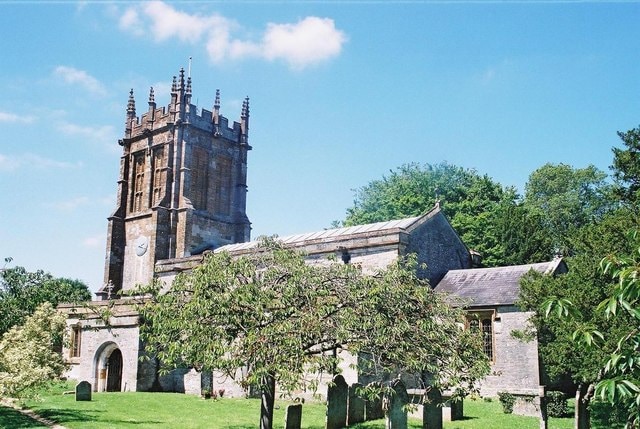
River Cerne, St Mary's Church, Wolfeton House, Village Green, Village Hall, Community Center
Cerneminster
Richard Norman
- Richard Norman and Family Emigrated To the Massachusetts Bay Colony Around 1626.
About Charminster
Overview
Charminster is a village and civil parish located in the west of Dorset, England. It is situated along the River Cerne and the A352 road, approximately one mile north of the county town, Dorchester. The village name itself has historical roots, evolving from "Cerneminster," which references the River Cerne and the minster church of St Mary, a designation recorded as early as 1223. This etymological journey led to the modern name, Charminster.
Historical Context and Significance
Charminster holds a notable place in early colonial American history as the origin point of Richard Norman and his family. They were among the early "Planters" who established the Massachusetts Bay Colony in America, departing for the New World around 1626. The village also encompasses Wolfeton House, an estate with its own historical significance.
Facilities and Community
As a relatively large village, Charminster boasts a good range of amenities to serve its residents and visitors. These include three public houses, a village hall with a capacity for 100 seated or 120 standing, and a community center. A village green, located at Charminster House, serves as a venue for fetes and community celebrations. The village also features a park, a variety of shops and businesses, a First school, and the aforementioned church of St Mary.
Governance
Historically, Charminster was part of the Charminster and Cerne Valley electoral ward. Following structural changes in local government in England after 2019, the village now falls within the Charminster St Mary's ward for elections to Dorset Council. The parish itself had a population of 2,940 according to the 2011 census, with the wider electoral ward encompassing a larger population of 4,768.
Source: Wikipedia ↗
Frequently Asked Questions
What is the origin of the name Charminster?
The name Charminster derives from 'Cerneminster,' which translates to the minster church of St Mary located on the River Cerne. Over time, this name evolved into the modern Charminster.
What historical significance does Charminster hold regarding American colonization?
Charminster was the place of origin for Richard Norman and his family. They were among the early settlers, known as Planters, of the Massachusetts Bay Colony in America, emigrating around 1626.
What are the amenities available in Charminster?
As a substantial village, Charminster offers a range of amenities including three pubs, a village hall, a community center, a village green, a park, and various shops and businesses. It also has a First school and the church of St Mary.
What was the population of Charminster parish in 2011?
In the 2011 census, the parish of Charminster recorded a population of 2,940 residents.
Related Monasteries

Brezovička
Brezovička is a village and municipality located in the Sabinov District of the Prešov Region in northeastern Slovakia. Historically documented since 1320, the settlement has maintained a predominantly Slovak ethnicity and a strong affiliation with the Roman Catholic Church, as indicated by its religious demographics. The municipality covers an area of nearly 9 square kilometers and had a population of 429 as of December 2025.

Kemeys Commander
Kemeys Commander is a small village in Monmouthshire, South East Wales, situated in a distinctive bend of the River Usk. Its name originates from the historical presence of the Knights Templar and later the Knights Hospitaller, who held the patronage of the parish church of All Saints, suggesting it was a commandery or preceptory. The village comprises a few farms and cottages, with its parish church containing notable architectural features from various periods.

Letanovce
Letanovce is a village and municipality located in the Spišská Nová Ves District within the Košice Region of Slovakia. Historically first mentioned in 1250, it is situated at an altitude of approximately 511 meters and covers an area of 21.38 km2. The community is characterized by a significant Roma population, residing in a settlement outside the main village core.