
Champmol Charterhouse
Christian·France·Active psychiatric hospital (original monastic buildings largely modified or destroyed)·14th century
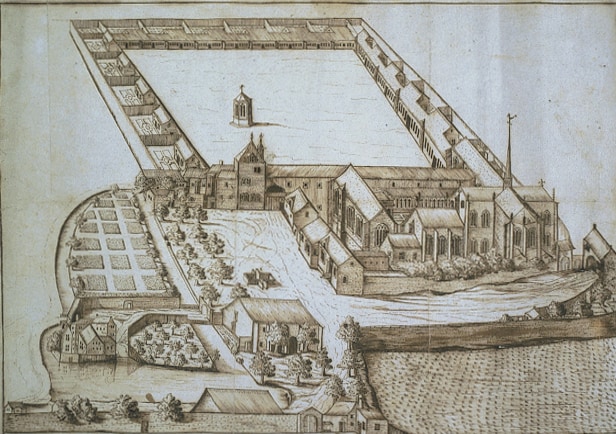
The Chartreuse de Champmol, formally the Chartreuse de la Sainte-Trinité de Champmol, was a Carthusian monastery established in 1383 by Duke Philip the Bold on the outskirts of Dijon, then the capital of the Duchy of Burgundy. Intended as a dynastic burial place for the Valois Dukes, it was a lavish project renowned for its artistic commissions. Despite operating until its dissolution in 1791 during the French Revolution, many of its significant artworks and tombs have been dispersed or are reconstructions, with surviving sculptures and dispersed art collections remaining crucial for understanding Burgundian art of the period.
Key Facts
- ›Founded in 1383 by Duke Philip the Bold of Burgundy as a dynastic burial site.
- ›Operated as a Carthusian monastery until its dissolution in 1791 during the French Revolution.
- ›Was lavishly enriched with significant works of art, many of which are now dispersed.
- ›The tombs of Dukes Philip the Bold and John the Fearless are notable, though the effigies are 19th-century reconstructions.
- ›Features surviving sculptures by Claus Sluter, including parts of the Well of Moses.
- ›Originally located outside Dijon's city gates, it is now within modern city boundaries.
Late Gothic
- Well of Moses
- Sculptures By Claus Sluter
- Tombs of the Dukes of Burgundy
- Dispersed Collection of Significant Burgundian Art
Chartreuse De La Sainte-Trinité De Champmol
Philip the Bold, Margaret Iii, Countess of Flanders, John the Fearless, Margaret of Bavaria, Philip the Good, Charles the Bold, Druet De Dammartin, Jean De Marville, Claus Sluter, Claus De Werve, Jean De La Huerta, Melchior Broederlam, Henri Bellechose, Jean Malouel, Jean De Beaumetz, Jacques De Baerze, Charles-André Van Loo
- Founded In 1383
- Church Consecrated By 1388
- Dissolved In 1791
- Tombs Moved To Dijon Cathedral In 1792
- Cathedral Converted To Temple of Reason and Tombs Vandalized In 1793
- Estate Bought By Emmanuel CréTet After Dissolution
- Estate Bought By Local DéPartement For A Mental Asylum In 1833
About Champmol Charterhouse
Chartreuse de Champmol
The Chartreuse de Champmol, formally known as the Chartreuse de la Sainte-Trinité de Champmol, was a significant Carthusian monastery located on the outskirts of Dijon, which was the capital of the Duchy of Burgundy in the 15th century. Founded in 1383 by Duke Philip the Bold, its primary purpose was to serve as a grand dynastic burial place for the Valois Dukes of Burgundy. The monastery operated until its dissolution in 1791 during the French Revolution. It was celebrated as "the grandest project in a reign renowned for extravagance," being lavishly adorned with important works of art, the remnants of which continue to be vital for understanding the art of that period.
Founding and Construction
Construction of Champmol began in 1383 under architect Druet de Dammartin, with the church consecrated by 1388. The monastery was designed to accommodate twenty-four choir monks, a larger number than typical for a Carthusian house, with additional endowments for more monks later. Situated "two arrow shots" outside Dijon's city gates at its founding, it is now within the modern city's boundaries. Champmol was envisioned to rival other major dynastic burial sites like Cîteaux Abbey and Saint-Denis.
Artistic Significance and Tombs
Champmol was conceived as a showpiece, attracting visitors and pilgrims, with papal indulgences granted in 1418 for visiting the Well of Moses. The monastery's ducal accounts reveal extensive commissions for paintings and other artworks, continuing until around 1415 and beyond. The tombs of the Dukes of Burgundy, though few in number, were masterpieces. The tombs of Philip the Bold and John the Fearless with his wife Margaret of Bavaria, originally erected with painted alabaster effigies and carved mourners, are now represented by 19th-century reconstructions after the originals were vandalized. The dispersed artistic contents of Champmol, including works by Claus Sluter, Jacques de Baerze, Melchior Broederlam, and others, represent some of the finest monumental art of the French and Burgundian period.
Later History and Current Status
Following the French Revolution, the monastery was suppressed in 1791, and many of its buildings were destroyed or significantly altered. The estate was later acquired and repurposed, eventually housing a psychiatric hospital, which it continues to be today. While the original monastic community is gone and much of the structure has been transformed, significant sculptures by Claus Sluter, such as those on the church portal and parts of the Well of Moses, remain visible on site. Many of the monastery's art treasures are now preserved in Dijon's museums, particularly the Musée des Beaux-Arts.
Source: Wikipedia ↗
Frequently Asked Questions
When was Champmol Charterhouse founded?
The Chartreuse de Champmol was founded in 1383 by Duke Philip the Bold.
What was the primary purpose of Champmol Charterhouse?
Its primary purpose was to serve as a dynastic burial place for the Valois Dukes of Burgundy. It was also intended to be a significant artistic showcase.
What happened to the artworks and tombs from Champmol?
Many of the artworks and tombs were dispersed after the monastery's dissolution. The tombs were moved to Dijon Cathedral but were vandalized and later reconstructed. Many art pieces are now housed in Dijon's museums or are in collections elsewhere.
Are there any original artworks still at the site of Champmol?
Important sculptures by Claus Sluter and his workshop, including kneeling figures of Philip the Bold and his Duchess, can still be seen on the church portal. Parts of the Well of Moses also survive at the site.
What is the current status of the Champmol Charterhouse site?
Today, the buildings on the site of the former monastery house a psychiatric hospital. However, the Sluter sculptures are accessible to visitors.
Related Monasteries

Alet Abbey
Alet Abbey, also known as the Cathedral of Our Lady of Alet and later St. Benedict's Cathedral, was an important religious site in Languedoc, France. Established as part of the Diocese of Alet in 1317, the cathedral was built adjacent to an existing monastery. It suffered significant destruction during the Wars of Religion and was largely demolished in the late 18th century, with its diocese suppressed after the French Revolution.

Tarascon Abbey
Saint-Honorat Abbey was a Benedictine convent for nuns located in Tarascon, within the historical Diocese of Avignon. Founded in 1352, it operated for centuries until its suppression in 1790 during the early French Revolution.

Bisham Abbey
Bisham Abbey is a historic Grade I listed manor house in Berkshire, England, built around a former monastery. Originally a community house for Knights Templar, it later served various royal purposes and was a priory for Augustinian Canons before being dissolved and refounded as a Benedictine abbey. Today, the site functions as a National Sports Centre, offering extensive athletic facilities and also serving as a wedding and conference venue.