
Abbey of Our Lady of the Holy Trinity
The Abbey of Our Lady of the Holy Trinity was a Catholic contemplative monastery of Trappist Cistercian monks located in Huntsville, Utah. Founded in 1947 as a daughter house of the Abbey of Our Lady of Gethsemani, it was known for its enclosed religious order and its support of itself through farming and beekeeping. The abbey celebrated its final mass and closed on August 27, 2017, after its monastic community dwindled.
Key Facts
- ›Founded in 1947 as a daughter house of the Abbey of our Lady of Gethsemani.
- ›The monks belonged to the Order of Cistercians of the Strict Observance (OCSO), a Trappist Cistercian order.
- ›The abbey supported itself through farming and beekeeping, selling products like bread, honey, and handmade clocks.
- ›At its peak, the abbey housed 84 monks and novices.
- ›The abbey closed permanently on August 27, 2017, due to a dwindling and aging monastic community.
- ›The site has been documented in various fictional works and a documentary film.

Farming and Beekeeping Operations, Gift Shop Selling Abbey-Produced Goods
Brother Nicholas Prinster, Mother Teresa, Abbot Casimir Bernas Ocso, Walter M. Miller Jr., Richard Crangle, George Fowler, Father Charles Cummings Ocso, Brother David Mcmanus Ocso, Father David Altman, Father Patrick Boyle, Michael Patrick O'Brien
- Founded As A Daughter House In 1947.
- Mother Teresa Visited For A Retreat In 1972.
- Celebrated Final Mass and Closed On August 27, 2017.
About Abbey of Our Lady of the Holy Trinity
The Abbey of Our Lady of the Holy Trinity was a contemplative monastery of Catholic monks belonging to the Trappist Cistercian order, specifically the Order of Cistercians of the Strict Observance (OCSO). Located in Huntsville, Utah, the abbey was founded in 1947 as a daughter house of the Abbey of Our Lady of Gethsemani in Kentucky, at the invitation of Bishop Hunt of Salt Lake City. The monks initially occupied temporary World War II barracks and later Quonset huts, with plans for permanent structures remaining unfulfilled.
Life and Work
The community sustained itself through agricultural endeavors, primarily farming and beekeeping, on its 1,840 acres of land. They produced and sold goods such as bread, multigrain cereal, creamed honey, and handmade clocks. The abbey experienced growth, at one point housing 84 monks and novices, but faced decline in later years due to dwindling numbers and an increasing average age among the brethren. This led to the discontinuation of its industries and the eventual decision to close the abbey.
Notable Associations and Legacy
The Abbey of Our Lady of the Holy Trinity had a special relationship with the Missionaries of Charity, with Mother Teresa visiting for a retreat in 1972. Several monks were notable for their contributions to religious scholarship and writing, including Abbot Casimir Bernas, Father Charles Cummings, and former monk George Fowler. The monastery also inspired literary works, most famously Walter M. Miller Jr.'s novel "A Canticle for Leibowitz." A documentary film, "PRESENT TIME: Journal of a Country Monastery," was later produced to document its 70-year history.
Closure
On August 27, 2017, the abbey celebrated its final mass and was subsequently closed. The monastic community dispersed, with some monks transferring to other Trappist abbeys and others moving to a nursing home. The influence of the monks on their local community was noted in regional newspapers.
Source: Wikipedia ↗
Frequently Asked Questions
When was the Abbey of Our Lady of the Holy Trinity founded?
The Abbey of Our Lady of the Holy Trinity was founded in 1947. It was established as a daughter house of the Abbey of Our Lady of Gethsemani in Kentucky.
What religious order did the monks of this abbey belong to?
The monks were Catholic contemplative monks of an enclosed religious order known as the Order of Cistercians of the Strict Observance (OCSO). This order is also commonly referred to as Trappist Cistercians.
How did the monks support themselves?
The monks supported themselves by farming and beekeeping on the abbey's 1,840 acres of land. They sold various goods, including bread, multigrain cereal, creamed honey, and handmade clocks in their gift shop.
When did the abbey close?
The Abbey of Our Lady of the Holy Trinity celebrated its final mass and closed permanently on August 27, 2017. The decision to close was made due to a decline in the number of monks and an increase in the average age of the remaining community.
What happened to the monks after the abbey closed?
Following the closure, two monks transferred their vows to Genesee Abbey in New York. Another monk became a chaplain at a Trappistine monastery in Virginia, and the remaining monks moved to a nursing home in Salt Lake City.
Are there any notable literary works associated with this monastery?
Yes, the monastery served as inspiration for fictional works. Walter M. Miller Jr. wrote 'A Canticle for Leibowitz' based on the monastery, and Richard Crangle wrote 'Temptations Behind Stained Glass: A Canticle of Desires and Redemptions' loosely based on the monks. Former monks also authored books detailing their experiences.
Related Monasteries

Monastery of Our Lady of Mount Carmel in Finland
The Monastery of Our Lady of Mount Carmel was a small Catholic monastery for Carmelite nuns located in Espoo, Finland. Established in 1988 by sisters from San Rafael, California, it housed a community of six nuns. The monastery ceased operations and was closed in 2021 when the last nuns departed Finland.
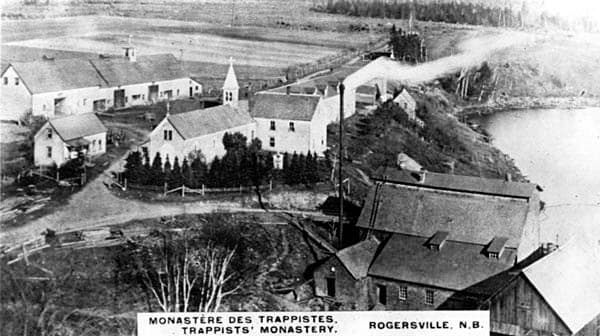
Notre Dame du Calvaire Abbey
Notre Dame du Calvaire Abbey was a Trappist/Cistercian monastery established in Rogersville, New Brunswick, Canada, in 1902. Founded as a refuge for French Cistercian monks fleeing anticlerical movements, it operated as an agricultural school before its closure in May 2024 due to declining numbers. The monastery played a role in establishing a nearby Cistercian nuns' abbey.

Alton Abbey
Alton Abbey was an Anglican Benedictine monastery located in Beech, Hampshire, England, established in 1895 and closed in 2024. Originally founded in 1884 as the Society of Saint Paul to aid merchant seafarers, the community later adopted the Benedictine Rule and focused on retreats and spiritual practices. Renowned for its beauty and tranquility, it was described as "the best-kept secret in the Church of England" before its closure.