
Valac
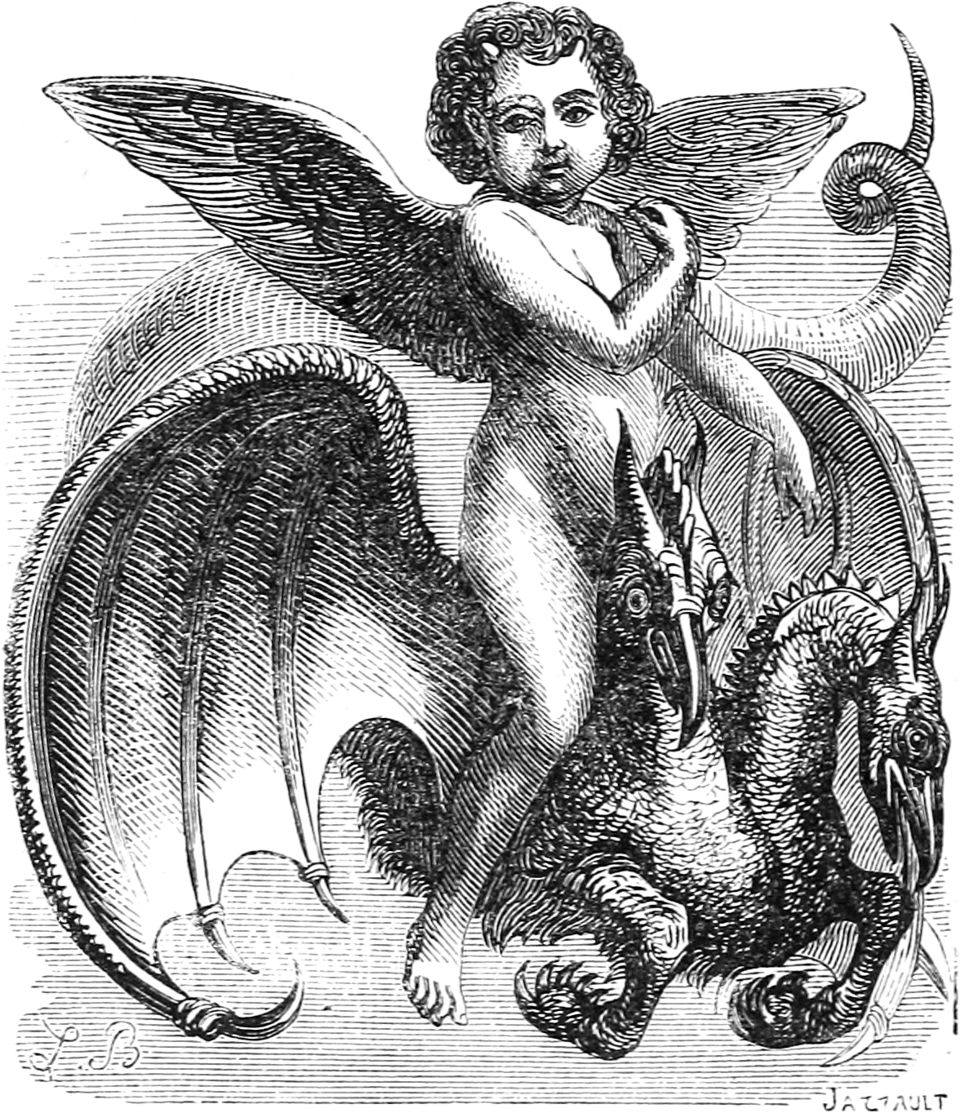
Valac is a demon primarily known from Renaissance-era grimoires such as The Lesser Key of Solomon and Johann Weyer's Pseudomonarchia Daemonum. He is typically depicted as a winged boy riding a two-headed dragon and is attributed with the power to find hidden treasures and command serpents.
Key Facts
- ›Valac is described in grimoires like the Lesser Key of Solomon, Pseudomonarchia Daemonum, and the Munich Manual of Demonic Magic.
- ›He is often depicted as a young boy with wings, riding a two-headed dragon.
- ›Valac is attributed with the power to locate and command treasures and serpents.
- ›In demonological hierarchies, he is often ranked as a president, leading a significant number of demon legions.
- ›Variations of his name include Ualac, Valak, Volac, Volach, Coolor, and Doolas.
- ›He has appeared as a prominent antagonist in modern popular culture, notably in films like the Conjuring 2 and in comic book and video game adaptations.
Ualac, Valak, Volac, Volach, Coolor, Doolas, Valu, Jan Valek
Treasures, Serpents
Finding Treasures, Summoning Serpents, Commanding Serpents, Commanding Household Spirits
the Lesser Key of Solomon, Pseudomonarchia Daemonum, Liber Officiorum Spirituum, Munich Manual of Demonic Magic, Fasciculus Rerum Geomanticarum
Iahhael
- Ranked By Number of Legions Commanded.
- Appears In Demonological Catalogues and Hierarchies.
Iahhael
- Variations In Name and Rank .
- Differences In the Number of Demon Legions Commanded.
Two-Headed Dragon
About Valac
Valac is a demon prominently documented in Renaissance-era grimoires, particularly within the field of Goetic demonology. He is consistently described as a powerful entity with specific domains of influence and a distinctive appearance.
Origins and Attestations
Valac's existence and attributes are primarily detailed in several key demonological texts. These include "The Lesser Key of Solomon" (where he appears as Ualac or Valak), Johann Weyer's "Pseudomonarchia Daemonum" (as Volac), the "Liber Officiorum Spirituum" (as Coolor or Doolas), and the "Munich Manual of Demonic Magic" (as Volach). Thomas Rudd's variant of "The Lesser Key of Solomon" also lists him as Valu.
Appearance and Abilities
His most notable characteristic is his appearance: an angelically winged boy who rides a two-headed dragon. This imagery is a recurring motif across the various texts. Valac is attributed with the significant power of finding hidden treasures, making him a sought-after entity for those seeking wealth. Additionally, he is described as having the ability to locate, summon, and control serpents, and in some accounts, household spirits.
Hierarchy and Variants
Within the hierarchies presented in these grimoires, Valac is often ranked as a president. He is said to command a substantial number of demon legions, with figures ranging from 13 to 38 depending on the specific manuscript or version of the text. Variations in his name, such as Volac, Ualac, and Doolas, reflect the diverse textual traditions and scribal practices of the time. Thomas Rudd's version uniquely notes Valac as being opposed by the Shem HaMephorash angel Iahhael.
Modern Significance
In contemporary popular culture, Valac has gained significant recognition, often appearing as a formidable antagonist. He has been featured in films such as "The Conjuring 2" and its spin-offs, where he typically takes the form of a demonic nun. His presence extends to comic books, video games, and television series, demonstrating a continued interest in this figure from demonological lore.
Source: Wikipedia ↗
Frequently Asked Questions
What is Valac's primary role or rank?
In many grimoires, Valac is ranked as a president. He is also attributed with the power to command legions of demons, with figures varying between texts from 13 to 38 legions.
What are Valac's main abilities?
Valac is primarily known for his power to find and reveal hidden treasures. He is also attributed with the ability to summon and command serpents and, in some texts, household spirits.
How is Valac typically depicted?
Valac is commonly depicted as a young boy with angelic wings, riding upon a two-headed dragon. This imagery is consistent across several key demonological texts.
Which texts describe Valac?
Valac is described in several significant demonological works, including The Lesser Key of Solomon, Johann Weyer's Pseudomonarchia Daemonum, the Munich Manual of Demonic Magic, and the Liber Officiorum Spirituum.
Are there different names for Valac?
Yes, Valac appears under various names and spellings across different grimoires. These include Ualac, Valak, Volac, Volach, Coolor, and Doolas.
Related Demons
Andromalius
Andromalius is a Duke of Hell, listed as the 71st spirit in the Ars Goetia. He commands 36 legions of demons and is known for teaching all arts and sciences. He can also reveal the secret counsel of anyone, knowing and capable of changing the thoughts of all people.
Dantalion
Dantalion is a powerful Great Duke of Hell, ranked as the 71st of the 72 spirits of Solomon. He is known for his ability to teach all arts and sciences, and for his power to reveal and change the thoughts and secret counsels of any person. Dantalion is depicted with many faces, representing all men and women, and often holds a book.
Eligos
Eligos is a Great Duke of Hell in demonological traditions, particularly those derived from the Ars Goetia. He is known for his ability to discover hidden things, predict the outcomes of wars, and influence important individuals. Eligos is notable for his martial associations and his role in uncovering secrets.