
Lindisfarne Priory
Lindisfarne Priory, located on Holy Island off the northeast coast of England, was a significant center of Celtic Christianity from the 6th century. Founded as an abbey by St. Aidan, it later became a priory after the Norman Conquest. The priory ruins are a popular tourist and pilgrimage destination, known for their historical importance, particularly the Viking raid of 793 and the creation of the Lindisfarne Gospels.
Key Facts
- ›Founded as a monastery around 634 AD by Irish monk St. Aidan.
- ›Became a major pilgrimage site after the death and burial of St. Cuthbert.
- ›Suffered a significant Viking raid in 793 AD, an event often cited as the beginning of the Viking Age.
- ›The Lindisfarne Gospels, an illuminated manuscript renowned for its Insular art, were likely created here in the early 8th century.
- ›Re-established as a Benedictine priory in 1093 after the Norman Conquest.
- ›Dissolved in 1536 as part of Henry VIII's dissolution of the monasteries.

Lindisfarne Gospels, St. Cuthbert's Shrine, Viking Raid of 793 Ad, Ruins of the Priory
About Lindisfarne Priory
Lindisfarne Priory, situated on the tidal island of Holy Island off the northeast coast of England, holds a profound historical and religious significance. Originally established as a monastic settlement in the 634 AD by the Irish monk Aidan, it became a pivotal center for Celtic Christianity in Northumbria. The island was renowned as a seat of learning and spirituality, particularly under the influence of figures like Saints Aidan, Cuthbert, Eadfrith, and Eadberht of Lindisfarne.
Early History and the Lindisfarne Gospels
The monastery's early years were marked by its role as a bishopric and its connection to St. Cuthbert, who served as both abbot and bishop. Following his death in 687 AD, Cuthbert's burial on Lindisfarne transformed the island into a major pilgrimage destination. It was during this era, in the early 8th century, that the world-renowned Lindisfarne Gospels were likely created, showcasing exquisite Insular art. This period also saw significant theological developments, with the monastery eventually aligning with the Roman tradition following the Synod of Whitby.
The Viking Era and Norman Re-establishment
A turning point in Lindisfarne's history was the brutal Viking raid in 793 AD, an event that sent shockwaves across Christian Europe and is often considered the beginning of the Viking Age. The monastery was severely damaged, and many monks were killed or taken captive. Despite this devastation, the monastic tradition persisted. After the Norman Conquest, the monastery was re-established in 1093 as a Benedictine priory, administered as a dependency of Durham Priory. The ruins visible today largely date from this Norman period, though remnants of the earlier Anglo-Saxon church survive in the chancel wall of St. Mary the Virgin parish church.
Dissolution and Legacy
Lindisfarne Priory continued to function for several centuries until its dissolution in 1536 under Henry VIII's monastic reforms. Despite the priory's closure, the spiritual significance of Lindisfarne endured. The island remains a popular site for historical tourism and religious pilgrimage, with the priory ruins serving as a tangible link to its rich and complex past. The tradition of pilgrimage continues to be observed annually, underscoring the site's enduring spiritual resonance.
Source: Wikipedia ↗
Frequently Asked Questions
When was Lindisfarne Priory founded?
The monastery at Lindisfarne was founded around 634 AD by the Irish monk Aidan. It served as a monastic site for approximately 900 years.
What is the significance of the Viking raid on Lindisfarne?
The Viking raid on Lindisfarne in 793 AD caused widespread alarm and is often considered the start of the Viking Age. It was significant because it attacked a sacred center of Northumbrian Christianity, with many monks killed or captured.
What are the Lindisfarne Gospels?
The Lindisfarne Gospels are an illuminated manuscript, likely created at Lindisfarne in the early 8th century. This illustrated Latin copy of the Gospels is highly valued for its intricate Insular style illustrations, a fusion of Celtic, Germanic, and Roman elements.
When was Lindisfarne Priory dissolved?
Lindisfarne Priory was dissolved in 1536. This occurred as a result of Henry VIII's break from the Roman Catholic Church and his subsequent closure of monasteries.
Is Lindisfarne still a pilgrimage site?
Yes, the tradition of making religious pilgrimages to Lindisfarne has continued even after the priory's closure. The priory ruins remain a popular destination for pilgrims and tourists today, with annual pilgrimages such as the Northern Cross Pilgrimage still observed.
Related Cathedrals
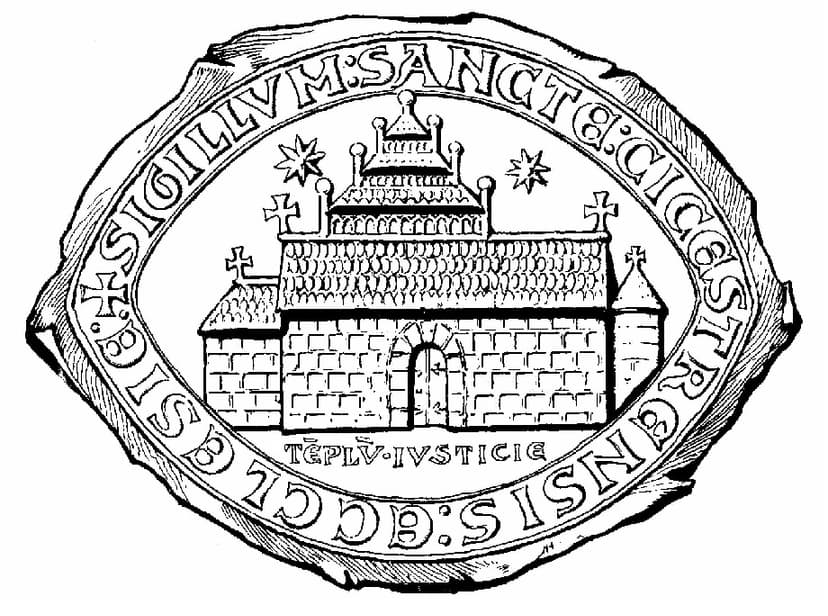
Selsey Abbey
Selsey Abbey was founded in AD 681 by Saint Wilfrid, marking the evangelization of the Kingdom of Sussex. It served as the seat of the Sussex bishopric until the see was moved to Chichester after 1075. The abbey's exact location is debated, with the most likely site being near the old parish church at Church Norton.

Dommoc
Dommoc was the original seat of the Anglo-Saxon bishops of the Kingdom of East Anglia, established by Sigeberht for Saint Felix around 629–631. It served as the sole bishopric for all of East Anglia until it was divided around 673 and eventually lapsed during the Viking Wars of the 860s. Its precise historical location remains a subject of scholarly debate, with Dunwich and Walton being the primary candidates.

Delfin Albano
Delfin Albano is a municipality located in the province of Isabela, Philippines. It was formerly known as Magsaysay and was renamed in honor of Congressman Delfin Albano, who authored the law that created the municipality. The municipality is a primarily agricultural area with a population of 30,860 as of the 2024 census.