
Win Ko Ko Latt
Myanmar·Ma Ba Tha (Myanmar National Network faction)·Male·21st century
Win Ko Ko Latt, also known by his aliases Thakin Gyi and Thakin Latt, is a Burmese ultranationalist and Buddhist nationalist figure, advisor, and writer. He is recognized for his leadership in nationalist protests and his former role as chairman of the Myanmar National Network, a faction of the Ma Ba Tha. He gained notoriety for leading protests against the use of the term "Rohingya" and was subsequently arrested and imprisoned.
Key Facts
- ›Born on June 16, 1982, in Htantabin Township, Yangon Region, Myanmar.
- ›Graduated with a thakhin degree from the University of Distance Education, Yangon.
- ›Former chairman of the Myanmar National Network, a faction of the Ma Ba Tha.
- ›Led protests against the us Embassy concerning the terminology used for the Rohingya.
- ›Arrested and sentenced to six months in Insein Prison for protesting at the us Embassy.
- ›Contested the 2015 election for the House of Representatives but lost.

Important Relationships
- Myanmar National Network
- Ma Ba Tha
- Thakin Association
- United States Embassy
Author Under the Name Phoe Laung Thee
- Htantabin Township, Yangon Region
- Pantanaw Township Constituency, Ayeyarwady Region
- Insein Prison
About Win Ko Ko Latt
Win Ko Ko Latt, born on June 16, 1982, is a prominent Burmese ultranationalist and Buddhist nationalist figure. He is also known by the aliases Thakin Gyi and Thakin Latt, and writes under the pen name Phoe Laung Thee. His career has been largely defined by his activism and leadership within nationalist movements in Myanmar.
Early Life and Education
Win Ko Ko Latt was born in Htantabin Township in the Yangon Region of Myanmar. He pursued higher education, earning a thakhin degree from the University of Distance Education in Yangon.
Career and Activism
Win Ko Ko Latt has been a leading figure in many nationalist protests across Myanmar. He formerly served as the chairman of the Myanmar National Network, an organization closely linked to the Committee for the Protection of Nationality and Religion, itself a faction of the Ma Ba Tha.
A significant event in his public life was his involvement in a protest on July 10, 2017, outside the United States Embassy. Alongside other nationalist leaders and monks, he demonstrated against the embassy's use of the term "Rohingya community," insisting there were no Rohingya in Myanmar and advocating for the phrase "Muslim community in Rakhine State." This protest led to his arrest, along with four other nationalist leaders, and prosecution. Win Ko Ko Latt and his co-defendants were sentenced to six months in Insein Prison.
In the political arena, Win Ko Ko Latt contested a seat in the House of Representatives during the 2015 election for the Pantanaw township constituency in Ayeyarwady Region. However, he was unsuccessful, losing to the National League for Democracy candidate.
Beyond his political and protest activities, Win Ko Ko Latt is an active author. He is also recognized as the Commander in Chief of the Thakin Army, which is described as an armed wing of the Thakin Association. He has gained a reputation for his opposition to "Tarzans," leading to his title "the Lord of all Thakin."
Source: Wikipedia ↗
Frequently Asked Questions
Who is Win Ko Ko Latt?
Win Ko Ko Latt is a Burmese ultranationalist, Buddhist nationalist, advisor, and writer. He is known for his involvement in nationalist movements and protests in Myanmar.
What is Win Ko Ko Latt known for?
He is known for leading nationalist protests, particularly those related to ethnic identity and nationality in Myanmar. He also served as the former chairman of the Myanmar National Network, a faction of the Ma Ba Tha.
Why was Win Ko Ko Latt arrested?
Win Ko Ko Latt was arrested for staging a protest in front of the United States Embassy against the embassy's statement and the terminology used for the Rohingya. He and other nationalist leaders were prosecuted and sentenced to prison.
What were the key issues Win Ko Ko Latt protested about?
Win Ko Ko Latt was prominent in protesting the use of the term "Rohingya," advocating instead for phrases like "Muslim community in Rakhine State." His activism often focused on issues of nationality and religion.
What other roles has Win Ko Ko Latt held?
Besides his role in nationalist organizations, Win Ko Ko Latt is also an author known by the pen name Phoe Laung Thee. He has also been appointed Commander in Chief of the Thakin Army, an armed wing of the Thakin Association.
Related Buddhists
Somdet Phra Buddhacarya
Somdet To, formally Somdet Phra Buddhacarya (To Brahmaramsi), was a highly revered Buddhist monk in Thailand's Rattanakosin period, celebrated for his spiritual powers and teachings. He is widely considered the most famous saintly monk in Thailand, known for his skill in preaching, composition of Thai poetry on Buddhist themes, and the creation of popular amulets.
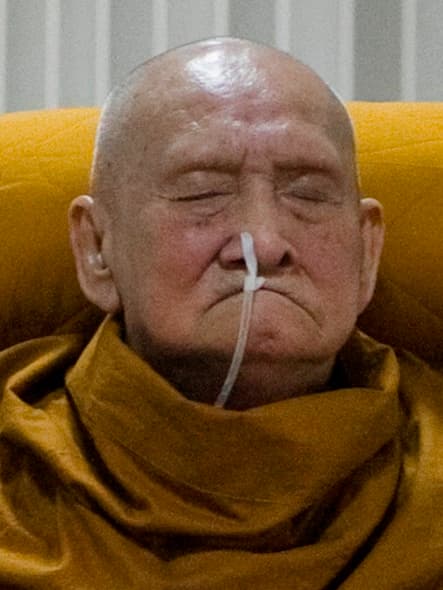
Somdet Phra Sangharaja Chao Krommaluang Vajirañāṇasaṃvara
Somdet Phra Sangharaja Chao Krommaluang Vajirañāṇasaṃvara, born Charoen Khachawat, was the 19th Supreme Patriarch of Thailand, appointed in 1989 by King Bhumibol Adulyadej. He was a significant figure in the Dhammayutt Order and held a special monastic title that had not been granted for over 150 years. He served until his death in October 2013, shortly after his 100th birthday.

Ashin Yazeinda
Ashin Yazeinda, also known by his pen name Yawai Nwe, is a distinguished Burmese Theravada Buddhist monk and writer. He is recognized for his contributions to Buddhist literature and Dhamma articles, having published a seminal religious work in 2003. He holds the title Sāsanadhaja Dhammācariya, conferred by the Burmese government.