
Sonam Wangchuk
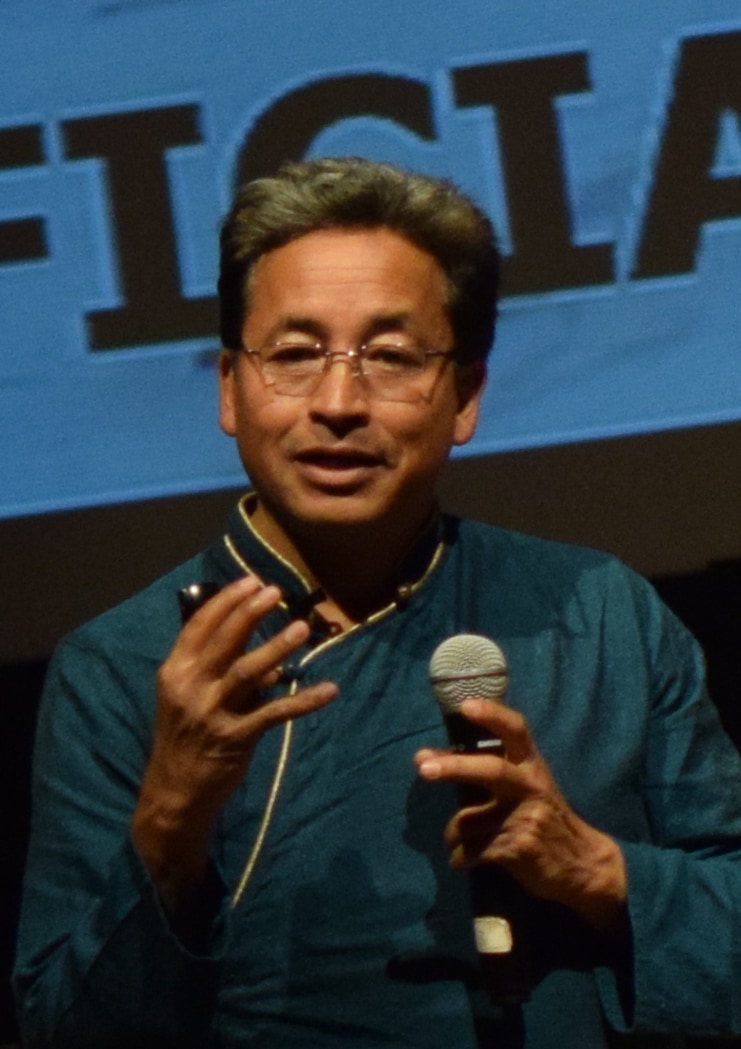
Sonam Wangchuk is an Indian engineer, activist, innovator, and education reformer from Ladakh. He is best known for founding the Students' Educational and Cultural Movement of Ladakh (SECMOL) and for developing the "Ice Stupa" technique for water conservation. His work focuses on sustainable development, education reform, and addressing climate change challenges in the Himalayan region.
Key Facts
- ›Founded the Students' Educational and Cultural Movement of Ladakh (SECMOL) in 1988.
- ›Designed the "Ice Stupa" technique to store winter water for irrigation.
- ›Instrumental in launching Operation New Hope to reform the government school system.
- ›Developed passive solar mud buildings for energy-efficient construction in cold climates.
- ›Recipient of the Ramon Magsaysay Award in 2018 for his contributions.
- ›Advocates for constitutional safeguards and environmental protection for Ladakh.
Important Relationships
- Students' Educational and Cultural Movement of Ladakh (SECMOL)
- Himalayan Institute of Alternatives Ladakh (HIAL)
- Chewang Norphel
- Gitanjali J Angmo
Ice Stupa Technique, Passive Solar Mud Buildings
Ladakh, Leh District, Srinagar, Grenoble, France, Pontresina, Switzerland
English
Award Recipient, Innovator
About Sonam Wangchuk
Sonam Wangchuk is an influential Indian engineer, activist, innovator, and education reformer hailing from Ladakh. Born on September 1, 1966, he is widely recognized for his pioneering work in sustainable development, particularly in the challenging Himalayan environment.
Early Life and Education
Wangchuk's early life was marked by a lack of formal schooling in his remote village. He began learning from his mother in their native tongue until the age of nine. His father's political career led him to Srinagar, where he experienced alienation due to communication barriers and perceived differences. This difficult period prompted him to seek a different educational path, eventually leading him to pursue Mechanical Engineering at the National Institute of Technology Srinagar. He later expanded his expertise by studying Earthen Architecture in Grenoble, France.
Career and Innovations
After graduating, Wangchuk co-founded the Students' Educational and Cultural Movement of Ladakh (SECMOL) in 1988. This organization has been instrumental in implementing educational reforms and establishing eco-friendly infrastructure. A significant innovation attributed to Wangchuk is the "Ice Stupa" technique, which creates artificial glaciers to store winter water for irrigation during the dry spring months. He also champions passive solar architecture, designing buildings that are heated naturally by the sun, as demonstrated by SECMOL's solar-powered campus.
Activism and Advocacy
Beyond his technical innovations, Wangchuk is a vocal advocate for Ladakh's environmental protection and autonomy. He has been involved in social campaigns, including the "New Ladakh Movement," and has actively participated in protests and hunger strikes to demand constitutional safeguards for the region. His appeals to boycott Chinese products and his stance on border security have also garnered significant attention.
Recognition and Legacy
Wangchuk's contributions have earned him numerous awards, including the prestigious Ramon Magsaysay Award in 2018. His work continues to inspire efforts towards sustainable living, innovative education, and the preservation of fragile mountain ecosystems. He founded the Himalayan Institute of Alternatives Ladakh (HIAL) to further his vision of education relevant to the unique context of the Himalayas.
Source: Wikipedia ↗
Frequently Asked Questions
What is Sonam Wangchuk known for?
Sonam Wangchuk is renowned for his innovative approaches to education reform and environmental conservation in Ladakh. He is particularly recognized for founding the Students' Educational and Cultural Movement of Ladakh (SECMOL) and for devising the "Ice Stupa" technique, an artificial glacier that provides water for farmers.
How did Sonam Wangchuk contribute to education in Ladakh?
Wangchuk co-founded SECMOL in 1988 to address issues in Ladakh's public education system. He also played a key role in "Operation New Hope," a collaborative effort to reform government schools, and later established the Himalayan Institute of Alternatives Ladakh (HIAL) to provide relevant higher education.
What is the "Ice Stupa" technique?
The "Ice Stupa" is an innovative method developed by Sonam Wangchuk to address water scarcity in Ladakh. It involves creating large, cone-shaped ice structures that store winter stream water, which then melts during the crucial planting season in spring, providing much-needed irrigation for farmers.
What awards has Sonam Wangchuk received?
Sonam Wangchuk has received numerous accolades for his work, including the prestigious Ramon Magsaysay Award in 2018. He has also been honored with the title of Eminent Technologist of the Himalayan Region by IIT Mandi and the Global Award for Sustainable Architecture.
What is Sonam Wangchuk's involvement in political activism?
Wangchuk has been involved in various social and political movements advocating for Ladakh's autonomy and environmental protection. He has led protests and hunger strikes demanding constitutional safeguards, including inclusion under the Sixth Schedule of the Indian Constitution, and has spoken out against industrial and mining activities detrimental to the region.
Related Buddhists
Tetsugen Bernard Glassman
Tetsugen Bernard Glassman was an influential American Zen Buddhist roshi, engineer, and founder of the Zen Peacemakers. He was a pioneer of socially engaged Buddhism and known for his "Bearing Witness Retreats" and social enterprises like Greyston Bakery, which aimed to alleviate homelessness and provide job training.
Satya Priya Mahathero
Upa-Sangharaj Satya Priya Mahathero was a prominent Bangladeshi Buddhist monk, writer, religious leader, and social worker. He is primarily recognized for receiving the "Ekushey Padak," Bangladesh's highest national honor for his contributions to social service. He also served as the President of the Bangladesh Sangharaj Bhikkhu Mahasava and was the first to translate and write about 'The Chullyabarga,' a significant portion of the Buddhist scripture Tripitaka.
Gagan Malik
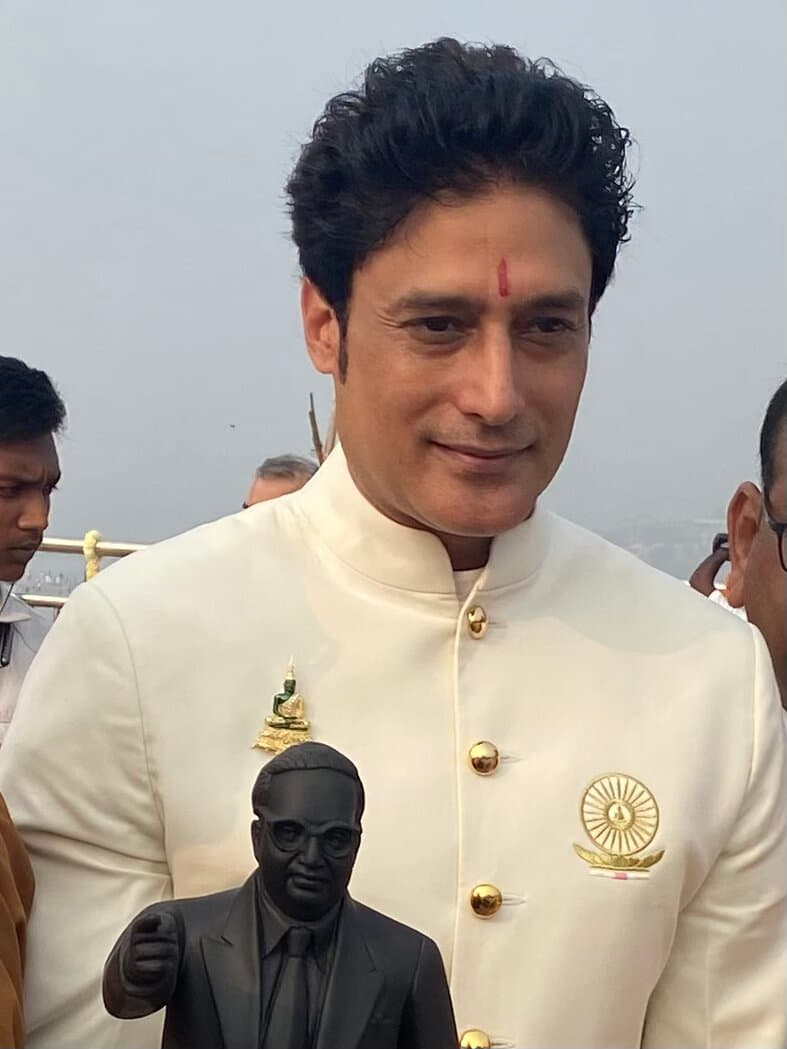
Gagan Malik is an Indian actor and Buddhist activist, widely recognized for his portrayal of Siddhartha Gautama (The Buddha) in the Sri Lankan film "Sri Siddhartha Gautama." He received the Best Actor Award at the World Buddhist Film Festival for this role, which significantly impacted his life and led him to embrace Buddhism and initiate humanitarian projects. Malik is also known for his acting roles as Lord Rama and his involvement in various television shows and films.