
Kanzeon Zen Center
Kanzeon Zen Center was a Zen Buddhist practice and training center located in Salt Lake City, Utah, established by American Zen teacher Dennis Merzel (Genpo Roshi). It served as the international headquarters for his Kanzeon Sangha and offered various Zen practices, including zazen, koan study, and retreats. The center ceased local operations in 2011 following a leadership and financial crisis involving Merzel.
Key Facts
- ›Established in Salt Lake City, Utah, in 1993 by Dennis Merzel (Genpo Roshi).
- ›Served as the international headquarters for the Kanzeon Sangha.
- ›Offered a comprehensive program of Zen practice, including zazen, meditation instruction, koan study, and retreats.
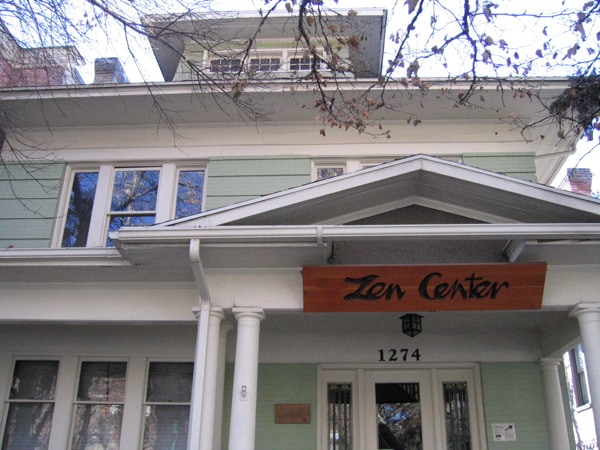
- ›The center operated from adjoining properties on East South Temple, including an upstairs meditation hall and an ancestors' room.
- ›Experienced a leadership and financial crisis in 2011 involving Merzel, leading to its cessation as a local center.
- ›Its broader international sangha and Merzel's Big Mind organization continued to operate after the Salt Lake City center closed.
Important Relationships
- Dennis Merzel
- Taizan Maezumi
- Kanzeon Sangha
- Big Mind organization
- Wasatch Zen Group
- Taizan Maezumi's cremated remains
- Ancestors' Room Containing Some of Taizan Maezumi's Cremated Remains
- Upstairs Meditation Hall
- Dennis Merzel Received Dharma Transmission From Taizan Maezumi In 1980.
- Kanzeon International Sangha Founded In 1982.
- Kanzeon Zen Center Established In Salt Lake City In 1993.
- Dennis Merzel Developed the Big Mind Process In 1999.
- Leadership and Financial Crisis In 2011 Led To the Cessation of Local Center Operations.
About Kanzeon Zen Center
Kanzeon Zen Center was a significant Zen Buddhist practice and training center located in Salt Lake City, Utah. Established in 1993 by the American Zen teacher Dennis Merzel, also known as Genpo Roshi, it functioned as the international headquarters for his Kanzeon Sangha. The center aimed to provide a comprehensive environment for Zen practice, offering regular zazen (sitting meditation), meditation instruction, classes, retreats, and koan study.
History and Practice
Dennis Merzel founded the Kanzeon International Sangha in 1982, which grew to encompass thousands of members across the United States and several European countries. Following an invitation from the Wasatch Zen Group, Merzel established the Kanzeon Zen Center in Salt Lake City in 1993. The center operated from adjoining properties on East South Temple and included an upstairs meditation hall and an ancestors' room, which housed some of the cremated remains of Merzel's teacher, Taizan Maezumi.
During the 1990s and 2000s, Kanzeon developed into a substantial training hub. Its regular schedule included morning meditation, evening classes, and Sunday practice. The center attracted practitioners from around the world, with some relocating to Utah to study with Merzel. Notable practitioners and teachers associated with Kanzeon included former Utah Supreme Court chief justice Michael David Zimmerman and Diane Musho Hamilton. The center also engaged in interfaith activities within Utah.
Big Mind Process and Closure
In 1999, Merzel developed the Big Mind process, a method integrating Zen teachings with techniques from psychological practices like Voice Dialogue. This process became a prominent and financially significant aspect of his work, reportedly generating millions of dollars through workshops and intensive programs. While operating through a separate nonprofit organization, Big Mind's income financially supported Kanzeon's traditional Zen programs.
In 2011, a leadership and financial crisis emerged, stemming from Merzel's acknowledgment of a sexual relationship with an advanced student. This led to Merzel announcing his disrobing as a Buddhist priest and stepping away from leadership at Kanzeon in Salt Lake City. Disagreements over his continued role and the handling of the situation divided the community. Subsequently, the East South Temple buildings were offered for sale, and the Kanzeon Zen Center effectively disbanded as a local entity during 2011, though the broader Kanzeon Sangha and Merzel's Big Mind organization continued their operations.
Source: Wikipedia ↗
Frequently Asked Questions
When was Kanzeon Zen Center established?
Kanzeon Zen Center was established in Salt Lake City in 1993. This was after Dennis Merzel was invited by the Wasatch Zen Group to move to Utah.
What kind of practices were offered at Kanzeon Zen Center?
The center offered regular zazen (sitting meditation), introductory meditation instruction, classes, retreats, private interviews with teachers, and koan study. It also provided preparation for Buddhist ordination.
Why did Kanzeon Zen Center cease operating in Salt Lake City?
The center ceased local operations in 2011 due to a leadership and financial crisis involving its founder, Dennis Merzel. This crisis led to Merzel acknowledging a sexual relationship with a student and subsequently stepping down from leadership roles.
What happened to the Kanzeon Sangha after the Salt Lake City center closed?
After the Salt Lake City center disbanded, Dennis Merzel continued teaching through the international Kanzeon Sangha and his Big Mind organization, operating under names like Kanzeon Big Mind and Big Mind Zen. These programs were offered in the United States, Europe, and online.
What is the Big Mind process?
The Big Mind process was developed by Dennis Merzel in 1999, combining Zen teachings and meditation with techniques from the psychological practice of Voice Dialogue. It was presented as a method to make Zen insights accessible to a wider Western audience.
Related Buddhist Temples
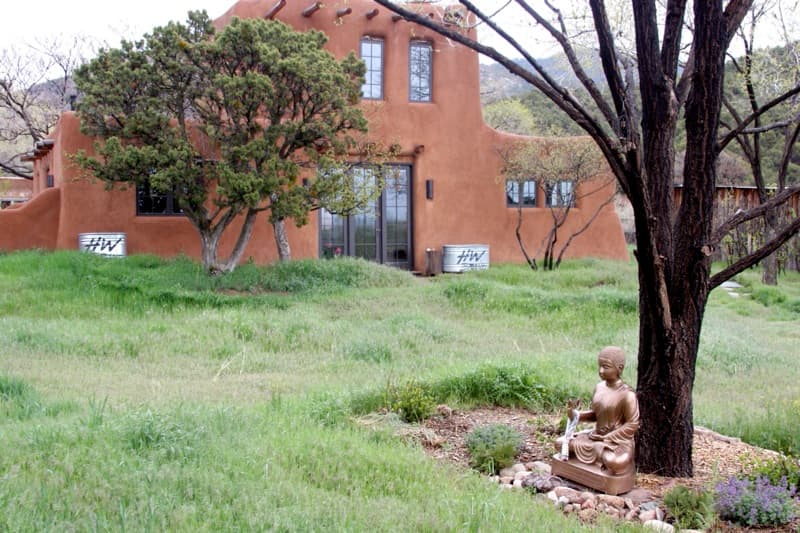
Upaya Institute and Zen Center
Upaya Institute and Zen Center is a residential Zen practice center in Santa Fe, New Mexico, founded by Joan Halifax Roshi. It emphasizes the integration of Zen practice with social action, cultivating wisdom and compassion, and providing services in areas such as death and dying, prison work, and environmental and women's rights advocacy.
Chogye International Zen Center
Chogye International Zen Center is a practice center of the Kwan Um School of Zen, established in 1975 by the Zen master Seung Sahn. Located in New York City, it serves as a hub for daily Zen practice, offering retreats and workshops to its community.

Sonoma Mountain Zen Center
Sonoma Mountain Zen Center, also known as Genjoji, is a Soto Zen practice center situated on 80 acres in Sonoma County, California. It was founded in 1973 by Jakusho Kwong and his wife Laura Kwong, continuing the lineage of Shunryu Suzuki. The center serves as a hub for residential training, retreats, and offers practice opportunities for both residents and non-residents.