
Co-Cathedral Basilica of the Assumption
Poland·Kołobrzeg·Diocese of Koszalin-Kołobrzeg
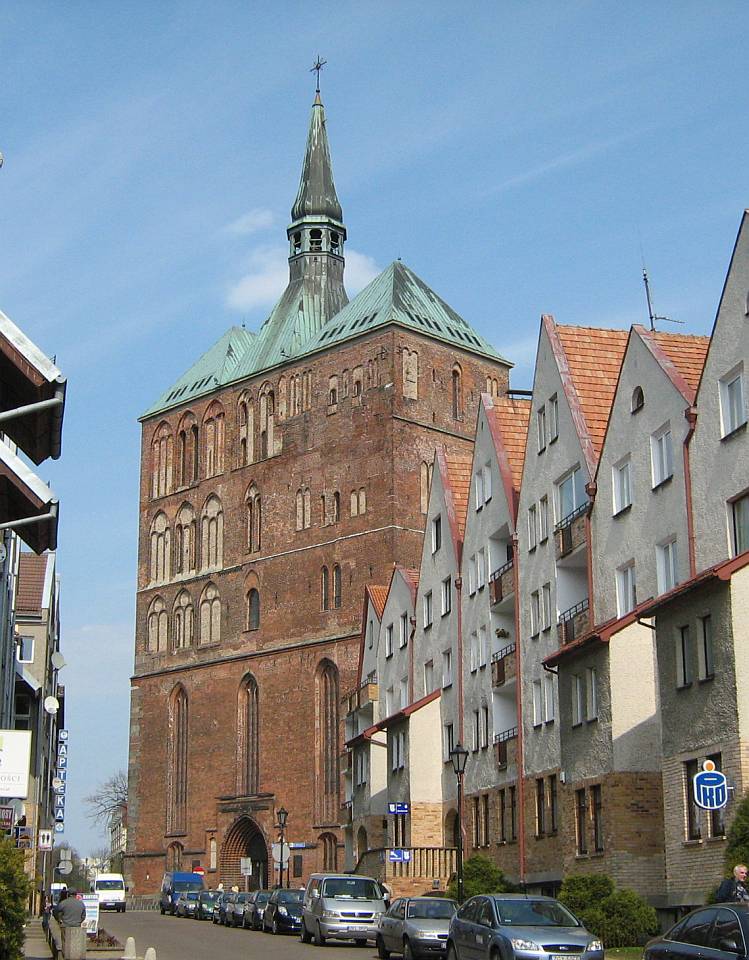
The Co-Cathedral Basilica of the Assumption of the Blessed Virgin Mary, also known as Kołobrzeg Cathedral, is a Gothic-style Roman Catholic church located in Kołobrzeg, Poland. Originally built in the 14th century, it served as a Protestant church from the 16th century before being destroyed in World War II and subsequently handed over to the Catholic Church for reconstruction in 1957. It holds the status of a minor basilica and became a co-cathedral of the Diocese of Koszalin-Kołobrzeg in 1972.
Key Facts
- ›Construction of the Gothic-style basilica began in the early 14th century.
- ›The first mass was held in the edifice in 1321.
- ›It served as a Protestant church from the 16th century until its destruction in 1945.
- ›Reconstruction for the Catholic Church began in 1957.
- ›It was designated a minor basilica and co-cathedral in 1972.
- ›The basilica features five naves.
Gothic
About Co-Cathedral Basilica of the Assumption
Co-Cathedral Basilica of the Assumption of the Blessed Virgin Mary
The Co-Cathedral Basilica of the Assumption of the Blessed Virgin Mary, commonly referred to as Kołobrzeg Cathedral, is a significant religious edifice located in the city of Kołobrzeg, Poland. This basilica is a testament to Gothic architecture, originally constructed in the 14th century and notable for its five naves.
History and Religious Significance
The precise commencement date for the construction of the parish church dedicated to the Virgin Mary in Kołobrzeg remains unconfirmed. However, historical belief suggests that the city's principal church was erected in the early 14th century, possibly on the site of an older church honoring Saint Nicholas. The year 1321 marks the occasion of the first mass celebrated within its walls.
From the 16th century onwards, the building transitioned to serving as a Protestant church. Its history took a dramatic turn in 1945 during the intense battle for the Kołobrzeg fortress in World War II, where it played a crucial role in the city's defense. Unfortunately, it suffered extensive destruction due to Soviet artillery fire.
Following the war, in 1957, the edifice was returned to the Catholic Church, initiating a period of reconstruction. Its religious importance was further solidified when it was granted the status of a minor basilica and, since 1972, has served as the co-cathedral for the Diocese of Koszalin-Kołobrzeg.
Source: Wikipedia ↗
Frequently Asked Questions
What is the architectural style of the Co-Cathedral Basilica of the Assumption?
The basilica is primarily built in the Gothic style. Its construction began in the 14th century, and it features five naves.
When was the Co-Cathedral Basilica of the Assumption built?
Construction of the main church of the city, which is believed to be the basilica, started in the early 14th century. The first mass was held in 1321.
What is the religious significance of the basilica?
It is a significant religious building of the Catholic Church in Kołobrzeg. It holds the status of a parish church and a minor basilica, and serves as the co-cathedral of the Diocese of Koszalin-Kołobrzeg.
What happened to the basilica during World War II?
During the battle of Kołobrzeg fortress in 1945, the basilica was an important defensive point but was destroyed by Soviet artillery.
When did the basilica become a Catholic church again?
The basilica was handed over to the Catholic Church in 1957, and reconstruction efforts began at that time.
Related Basilicas
Basilica of the Visitation (Carmelite Church)
The Basilica of the Visitation (Carmelite Church) in Kraków, Poland, is the city's first Carmelite church, originally founded in the 11th century according to legend, though documented construction began in 1395. It is significant for its history, including its rebuilding in Baroque style after the Swedish Deluge and its role in Polish royal and military history, culminating in its elevation to a minor basilica by Pope John Paul II in 1997.

Archcathedral Basilica of the Assumption and St Andrew the Apostle
The Archcathedral Basilica of the Assumption and St Andrew the Apostle, also known as Frombork Cathedral, is a significant Roman Catholic church located in Frombork, Poland. Constructed between 1329 and 1388, it replaced an earlier timber structure and is notable for its historical association with the astronomer Nicolaus Copernicus, who worked and is believed to be buried there. The basilica is recognized as a national Historic Monument in Poland.

Basilica of the Assumption, Krzeszów
The Basilica of the Assumption of the Blessed Virgin Mary in Krzeszów is a significant Roman Catholic church and a Marian shrine located in Krzeszów, Poland. Constructed between 1728 and 1735, it is a prominent example of Baroque architecture in Lower Silesia and houses the venerated icon of Our Lady, Mother of Grace, one of the oldest Marian icons in Europe.